Military clashes between Iran and the United States, which lasted for 40 days, have been suspended through a two-week ceasefire agreement. Under the terms, combat operations will halt, and the vital Strait of Hormuz—a waterway through which 20% of global oil flows—will be opened for safe passage for a period of two weeks.
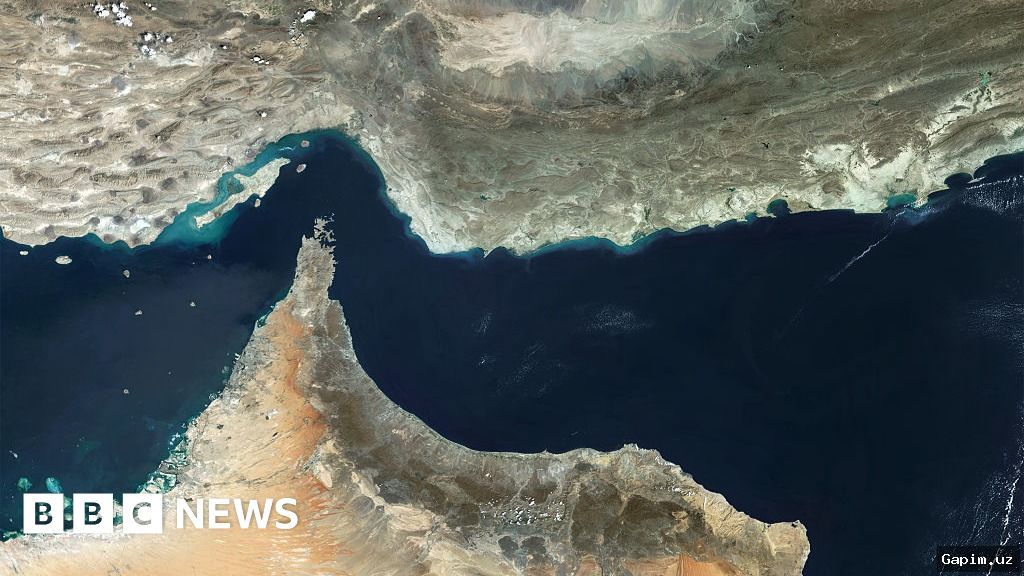
The truce was implemented after US President Donald Trump announced a suspension of attacks, purportedly conditional on Tehran fully reopening the strait. Iran's foreign ministry stated that safe transit through the waterway would be possible for two weeks through coordination with the country's armed forces.
News of the agreement sparked celebratory moods in Iran and was welcomed by many countries and regional states. However, not all aspects of the deal are clear: Israel has backed the two-week ceasefire but emphasized it does not apply to Lebanon, despite Pakistan initially announcing that the truce does include Lebanon.
Regional reactions have been mixed: Saudi Arabia's foreign ministry "welcomed" the ceasefire announcement and called for an end to attacks on countries in the region, as well as the opening of the Strait of Hormuz. Anwar Gargash, diplomatic adviser to the UAE President, claimed that "the UAE triumphed in a war we sincerely sought to avoid." Oman, Iraq, Egypt, and Turkey also expressed support for the ceasefire, urging continued negotiations to achieve permanent peace.
During the conflict, Iran launched retaliatory strikes, allegedly targeting US assets in Gulf Cooperation Council (GCC) countries, while Gulf states accused Iran of targeting civilian infrastructure. Lebanon was drawn into the war on March 2 after attacks by Tehran-aligned Hezbollah on Israel. The negotiations underpinning the agreement are set to begin tomorrow, Friday, in Pakistan.
Source: www.aljazeera.com