The Pakistani government has mediated a two-week ceasefire between the United States, Israel, and Iran. This deal is being hailed as a major achievement for Islamabad on the international stage, but what comes next in negotiations is likely to be even more complicated.
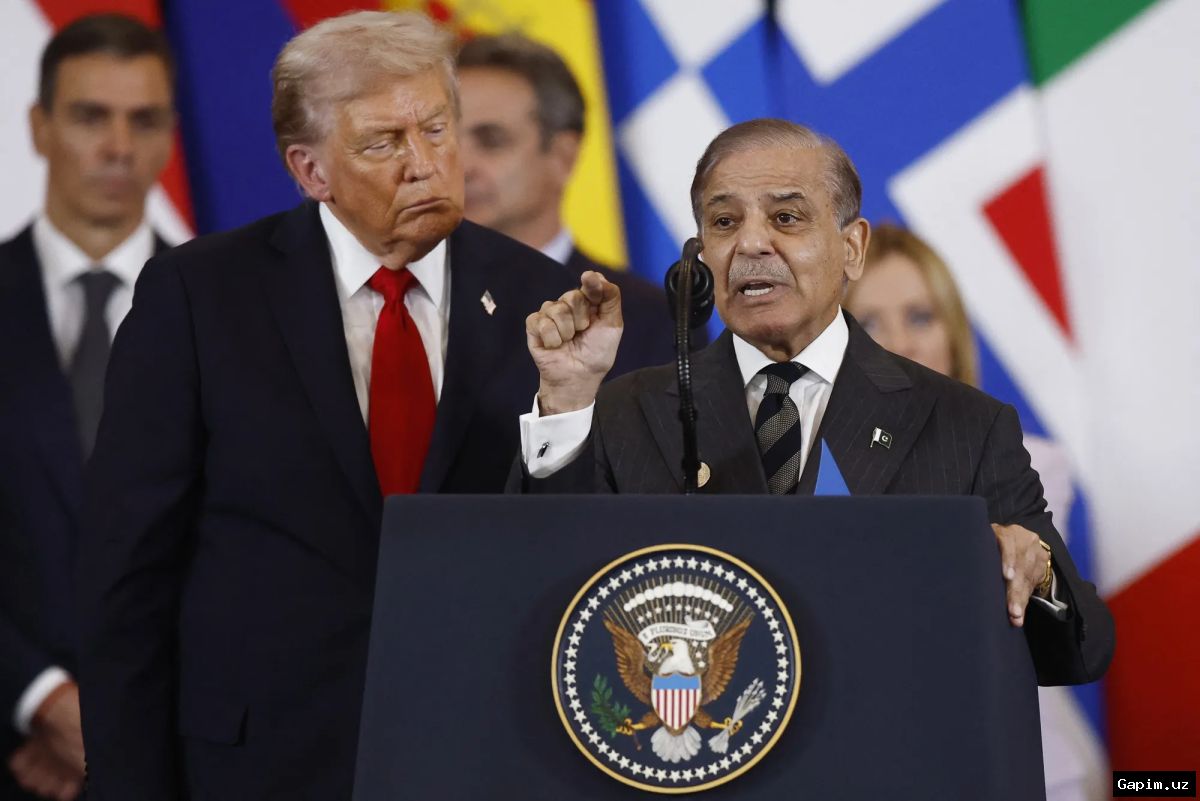
US President Donald Trump announced on social media that he accepted a ceasefire proposal from Pakistani Prime Minister Shehbaz Sharif and agreed “to suspend the bombing and attack of Iran for a period of two weeks,” subject to the Islamic Republic of Iran agreeing to the “COMPLETE, IMMEDIATE, and SAFE OPENING of the Strait of Hormuz.” Trump’s statement came just hours before a deadline he himself had set, while threatening the Iranians with the death of “a whole civilization.”
Raja Qaiser Ahmed, an international relations expert at Quaid-e-Azam University in Islamabad, noted that Pakistan “enabled the ceasefire by positioning itself as a credible and trusted intermediary at a moment of acute escalation.” He emphasized that Islamabad “activated backchannel diplomacy, conveyed assurances to both Washington and Tehran, and helped align immediate interests around de-escalation.”
Prime Minister Sharif and army chief Asim Munir have maintained cordial ties with Trump since last May. Elizabeth Threlkeld, South Asia director at the Washington-based Stimson Center, stated that Islamabad “will look to maintain momentum in negotiations and lock in a more durable agreement between the US and Iran before this window of opportunity closes.”
However, it remains unclear whether the ceasefire will hold. Political analyst Zahid Hussain pointed out that “Iran is mistrustful of Washington, and President Trump is facing mounting pressure to end the war.” He added that Israel has “reluctantly accepted the ceasefire while continuing operations in Lebanon,” and stressed that “it remains uncertain whether the US will be able to restrain Israel and ensure that the ceasefire leads to broader regional stability.”
The success of the ceasefire—both short- and long-term—depends primarily on the opening of the Strait of Hormuz, which the Iranian government shut down after the US and Israel began striking its military and leadership targets on February 28. Iranian Foreign Minister Abbas Araghchi says passage through the strait will be allowed under the supervision of the Iranian army, while Trump claims the US will help with the buildup of shipping traffic in the Strait of Hormuz.
Several other sticking points are likely to emerge in future talks, including Iran’s nuclear program and its enriched uranium stockpile, which Trump said must be scrapped. Riyadh-based security analyst Ali K. Chishti noted that “these would be very tough negotiations,” and they would also take into account Iran’s economic issues and “some sort of waivers for Tehran in exchange for joint security of the Strait of Hormuz.”
Pakistan is also working on a “separate plan for an Iran-Gulf states agreement” to ensure Tehran does not attack its neighbors in the future. However, Chishti does not see Saudi Arabia and the Gulf states getting directly involved in the conflict should Iran back out of the ceasefire agreement, as “there is an understanding in Riyadh regarding the cost-and-benefit scenario—joining the campaign against Iran would be more destructive for Saudis.”
Expert Ahmed believes that even if Iran falls short on commitments, Pakistan is likely to retain space to encourage restraint and facilitate renewed dialogue. Yet, its effectiveness depends on the willingness of both sides to engage in good faith, and if violations become sustained, Pakistan’s leverage naturally narrows.
Source: www.dw.com