The announcement of a ceasefire by United States President Donald Trump on Tuesday has brought some relief to the Gulf region, seafarers, and energy markets. Iran has agreed to open the Strait of Hormuz for commercial traffic as long as vessels coordinate movements with its authorities. However, the future of this temporary calm remains uncertain, whether it leads to a durable peace deal or a resumption of hostilities, highlighting the fragility of the situation.
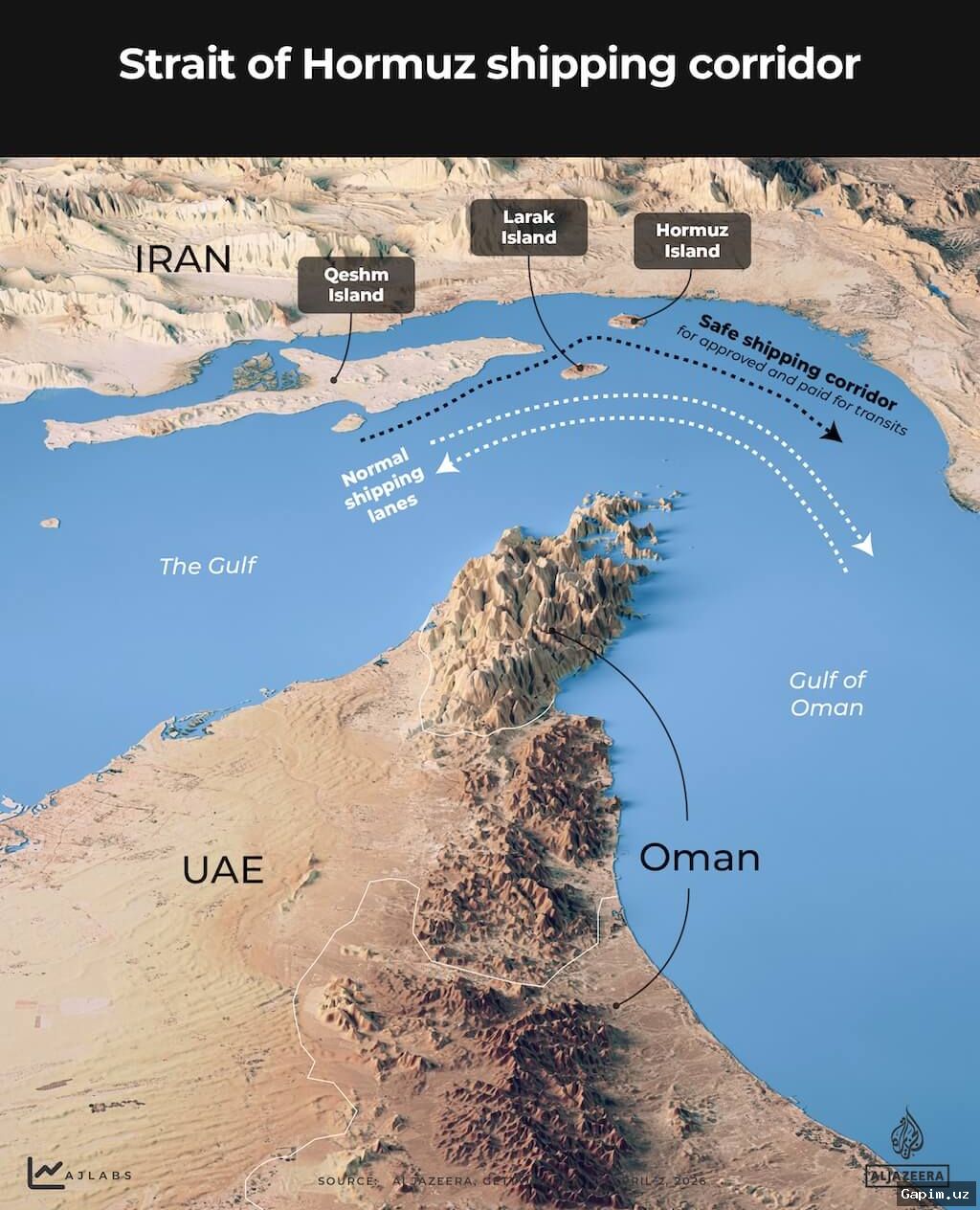
The global disruption caused by Iran’s closure of the strait underscores a clear need for long-term solutions rooted in both law and fact. Iran and its Arab neighbours have the greatest stake in such solutions, as they all rely on the strait to reach global customers and feed their populations. Now, they face the dual challenge of repairing wartime damage and restoring international confidence in this critical waterway, which is essential for global energy stability.
International treaties, including the United Nations Convention on the Law of the Sea (UNCLOS) and rules from the International Maritime Organization (IMO), provide a legal framework for maritime activities, including the right of transit passage through straits, which applies to the Strait of Hormuz. Iran, which has signed but not ratified UNCLOS, is obligated under the Vienna Convention to refrain from acts that defeat the treaty's purpose, adding a layer of legal complexity to its actions.
Traffic in the strait is regulated by a mandatory Traffic Separation Scheme (TSS) established by the IMO, with lanes for westbound and eastbound movement. Iran and Oman, as IMO member states, must respect these lanes. Part of the strait, including the mandatory TSS lanes, lies entirely in Omani territorial waters, limiting Iran's jurisdiction in that area and raising questions about its enforcement claims.
The western end of the strait includes lanes partly in waters claimed by Iran and partly in undelimited waters disputed between Iran and the United Arab Emirates. This does not remove Iran's obligation to avoid interfering with IMO-mandated shipping lanes. Imposing levies on vessels passing through an international strait would be incompatible with both the transit passage regime under UNCLOS and customary international law, potentially escalating tensions.
There is an urgent need for durable solutions through immediate dialogue and diplomacy. The United Nations, as a symbol of the rules-based order, should play a central role in resolving the current situation. Any process must be based on existing international legal provisions and uphold the rights of all states involved. The potential benefits of resolving this situation far outweigh any perceived gains from disrupting free passage in the Strait of Hormuz, emphasizing the global imperative for peace and stability.
Source: www.aljazeera.com