Burkina Faso's military leader, Captain Ibrahim Traore, has openly rejected democracy, declaring that "democracy kills." He has proclaimed a new system called the "Popular Progressive Revolution," but political analysts note that this system severely limits the people's right to self-determination, with the charter effectively serving as a transitional constitution imposed by the junta.
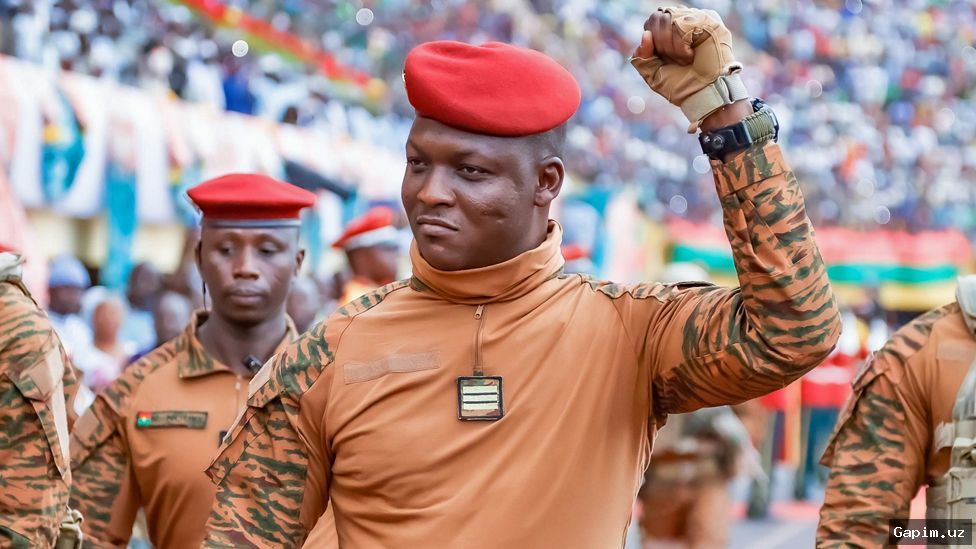
Traore, who seized power in a September 2022 coup, initially promised a return to civilian rule but later tied elections to improved security, and in January 2026 dissolved all political parties while extending his mandate by five years. Experts warn that the country is moving toward military dictatorship, with the new charter dealing a blow to democratic rights.
Security is the top priority for Traore's government, which operates in the style of a "war CEO." He relies on expanding the Volunteers for the Defense of the Fatherland corps instead of foreign troops. However, estimates suggest the army controls only 20-30% of the territory, with the rest under the control of terrorist groups like Jama'at Nusrat al-Islam wal-Muslimin (JNIM).
Diaspora groups from Burkina Faso, Mali, and Niger have formed the "Alliance of Democrats of the Sahel" (ADS) in exile, aiming to pressure military regimes and restore democracy. However, analysts agree that such exile groups are unlikely to significantly influence conditions in the Sahel states, as change depends on internal dynamics, military pressure, or population movements.
The European Union and other Western powers have adopted a cautious approach. The EU's Special Representative for the Sahel, Joao Cravinho, visited Burkina Faso in February without publicizing details, and there was noticeable silence after Traore's anti-democratic remarks. This suggests that Europe is prioritizing maintaining influence in the region over openly criticizing the regime, reflecting geopolitical calculations to counter rival influences.
Source: www.dw.com