Lebanon is once again mired in a serious military conflict. President Joseph Aoun, during a meeting last August at the Baabda Palace overlooking Beirut, stated, "I was born an optimist." He, a former army chief, came to power after a devastating war between Israel and Hezbollah, a Lebanese militia and political party backed by Iran. At that time, Hezbollah was weakened and isolated domestically, and Aoun vowed to disarm it. However, the issue of Hezbollah's weapons has long divided Lebanon, and a solution appears intractable.
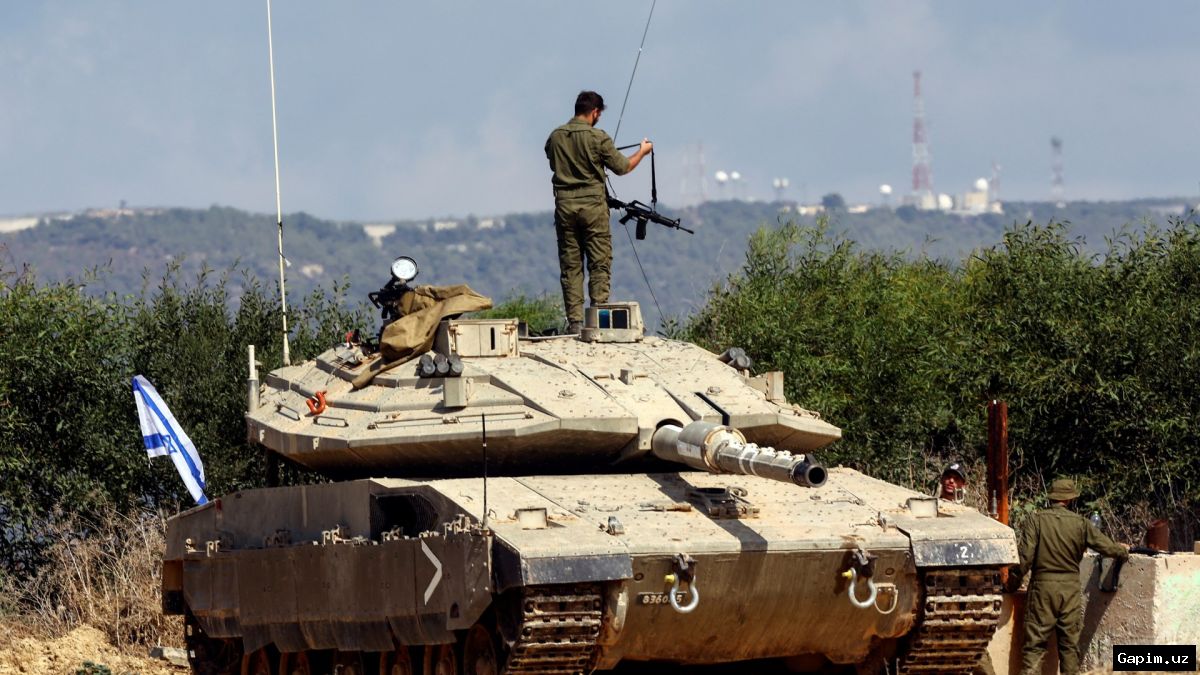
Currently, the conflict between Lebanon and Israel has reignited. The ceasefire agreement from November 2024 has proven fragile, with Israel conducting near-daily attacks on targets it alleges are linked to Hezbollah. For Hezbollah's supporters, the group is the only protection against Israel, which they view as an enemy intent on seizing Lebanese land. Opponents accuse it, a Shia Muslim group, of defending its Iranian patron's interests and dragging the country into unwanted and unnecessary wars. The death of Iran's Supreme Leader Ayatollah Ali Khamenei prompted Hezbollah rocket fire into Israel, leading to a new Israeli ground invasion of southern Lebanon.
President Aoun, hoping to stop the bloodshed, proposed direct negotiations with Israel—a significant step for two countries that do not even recognize each other. Israel ignored the offer until last week, after the US agreed to a ceasefire with Iran and Israel carried out widespread airstrikes that killed over 300 people in Lebanon in a single day. A meeting of ambassadors from both countries in Washington is expected to focus on a ceasefire, but what can the Lebanese government do, given its very limited influence over Hezbollah?
Hezbollah (Arabic for "Party of God") was founded in the 1980s during the Lebanese Civil War and Israel's occupation. From its inception, the group has been financed, trained, and armed by Iran, with the destruction of Israel remaining one of its official goals. The 1989 Taif Agreement that ended Lebanon's conflict mandated the disarmament of all militias and introduced power-sharing among sects, but Hezbollah, branding itself as a resistance movement against Israeli occupation, managed to retain its weapons. Israel withdrew troops from southern Lebanon in 2000 after an 18-year occupation, but territorial disputes persisted. UN Resolution 1701, which ended the 2006 war with Israel and demanded Hezbollah's disarmament, has never been fully implemented.
Hezbollah is designated a terrorist organization by countries including the UK and the US. However, in Lebanon, it is more than a militia. It is a political party represented in parliament and government, and a social movement running services like schools and hospitals in areas where the state is absent. It is the country's most powerful group. President Aoun has defended a policy of "state monopoly on arms" since taking office. As part of the 2024 ceasefire deal, Hezbollah agreed to remove its fighters and weapons from southern Lebanon, which had been under its de facto control for decades. Yet, Hezbollah maintains sway over Beirut's southern suburbs, Dahieh, and the Bekaa Valley, where part of its arsenal is located, and its secretary-general, Naim Qassem, has rejected discussing full, nationwide disarmament.
Aoun, however, warned that actions to remove Hezbollah's weapons without its consent could lead to violence. "We can't let the country descend into another civil war," he said in August. Amid continued Israeli attacks and Hezbollah's refusal to negotiate, when asked about his plan, Aoun stated there was almost nothing else he could do. Michael Young, senior editor at the Carnegie Center in Beirut, noted that Lebanon "has nothing to offer" in negotiations as it cannot deliver Hezbollah's disarmament, and "the government is without any cards."
Over 1.2 million people have been displaced in Lebanon since the conflict began, most from Shia communities. This has exacerbated sectarian tensions. With Israeli airstrikes targeting people allegedly linked to the group outside Hezbollah strongholds, locals are suspicious of new arrivals, and clashes have erupted in some areas. Journalist Kim Ghattas emphasized that Hezbollah is integral to many in the Shia community. "Shia Muslims have historically been the downtrodden of Lebanon," she said. "For many, this is about belief and ideology, and the sense of fear and vulnerability. If they give up their weapons, what happens? Will they be downtrodden again or outcasts? It's very difficult to argue with these deep-seated fears."
Last week, Israel launched a wave of airstrikes that brought horror and destruction to Lebanon. Some are calling it "Black Wednesday." In Beirut, intense bombing in the middle of the day without warning hit busy, densely populated areas never before attacked, where people felt safe. Even for those accustomed to violence, that day felt different. Since the war began six weeks ago, over 2,000 people have been killed in Lebanon, according to the health ministry, without distinguishing combatants from civilians.
Many Lebanese feel trapped in a state of permanent crisis. In the Ain Mreisseh neighborhood near the Beirut Corniche, I met a man named Mohammed Hamoud. In disbelief, he looked at a partially collapsed residential building. "You don't get rest. All my life, I've had the feeling that we're in a continuous war," he told me. "Let's hope it'll be the last one, and things get better."
Source: www.bbc.com