India marks the 135th birth anniversary of B.R. Ambedkar, the principal architect of the country's constitution and a champion for Dalit rights (people from the lowest caste). DW's special coverage explores the stark gap between promises of Dalit upliftment and today's reality, revealing deep-seated social issues that persist despite legal frameworks.
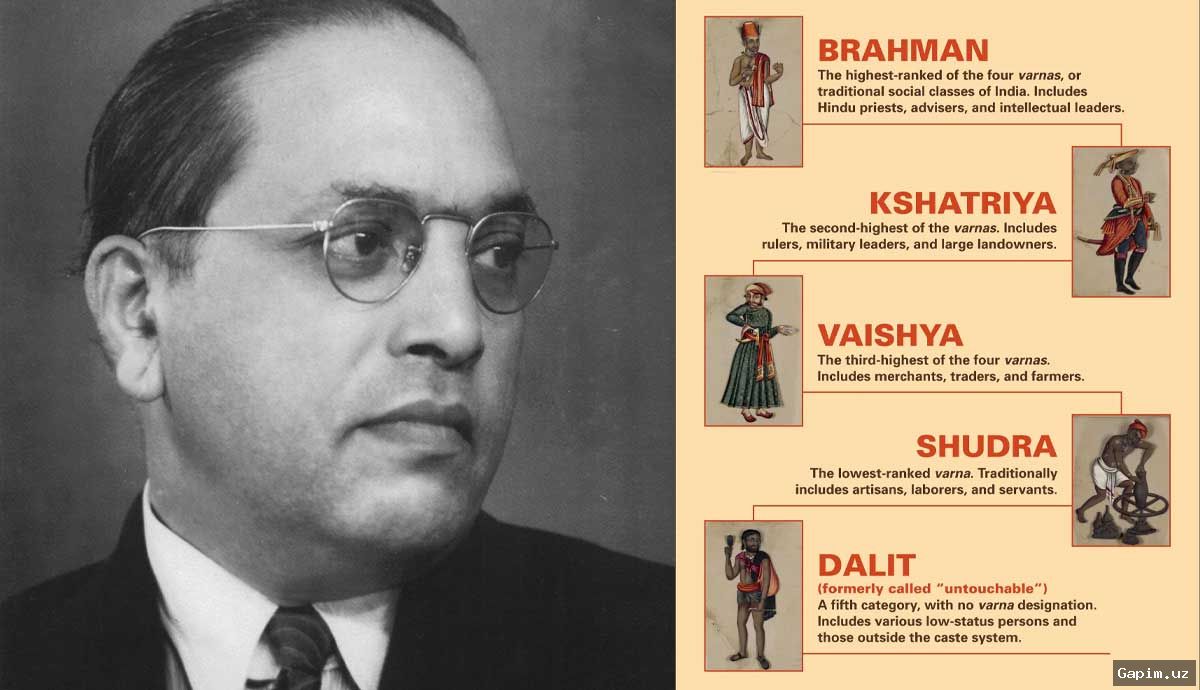
In an interview with Dr. Sumit Baudh, a professor and legal expert at O.P. Jindal Global University, Ambedkar's frustration with government inaction on caste issues is highlighted. Baudh notes that when Ambedkar resigned as India's Law Minister in 1951, he expressed disappointment over the lack of policy for "backward classes" and the stalling of the Hindu Code Bill. These concerns continue today, as structural reforms are deferred and laws regulating marriage and so-called 'love jihad' undermine social equality.
Legal language plays a crucial role in reinforcing caste hierarchies. Baudh points to the term "efficiency" as an example: while constitutionally neutral, it is often used to question or dilute reservations and affirmative action for Dalits. This term naturalizes historical inequalities, legitimizing and reproducing the caste system even within frameworks ostensibly designed to dismantle it.
The absence of a comprehensive anti-discrimination law in India represents another major gap in protecting Dalit rights. As Baudh explains, existing laws are patchy, relying on criminal or constitutional remedies, which makes it difficult to address caste discrimination in institutions like education. Consequently, inequality persists through less visible but deeply consequential institutional practices.
DW's coverage underscores that Ambedkar's vision of social democracy and equality remains unfulfilled. The caste system continues to be a pressing issue in Indian society, with insufficient legal reforms and political will hindering the full realization of Dalit rights, posing significant challenges to the nation's social progress.
Source: www.dw.com