The US administration, following the failure of ceasefire talks held on April 11-12 in Pakistan, has imposed a naval blockade on Iranian ports. The restrictive measures, which took effect on April 13, aim to prevent the entry and exit of vessels linked to Iran, while transit for other traffic participants through the Strait of Hormuz remains permitted.
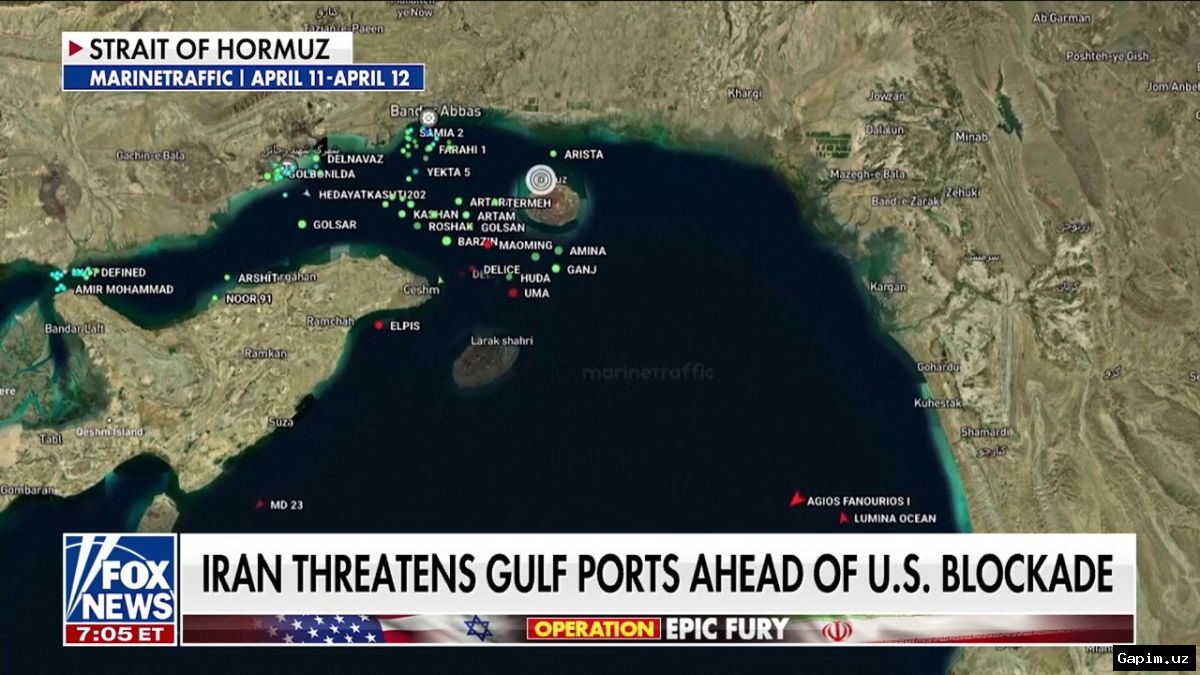
US leader Donald Trump explained that the operation's main goal is purportedly to deprive Tehran of export revenues from oil and gas sales, which amount to about 2 million barrels per day. According to his statement, this pressure is intended to stop "economic blackmail" by Iran and restore principles of free navigation.
The American side also claimed the near-complete destruction of the Iranian fleet, citing 158 ships, and emphasized readiness to sink any approaching violator vessels using systems previously tested in counter-narcotics efforts. Trump wrote on social media: "The Iranian fleet lies at the bottom of the sea, completely destroyed—158 ships. What we didn't sink are their, as they call them, 'fast attack boats,' because we don't consider them a significant threat."
Global market reactions were immediate: amid the port blockade, oil prices have already surpassed the $100 per barrel mark, and commercial shipping intensity in the region has significantly decreased.
In turn, Tehran labeled Washington's actions as "piracy," warning of risks to global energy security and threatening retaliatory measures in other regional ports. In Beijing, the critical importance of the strait for international trade was also noted, with calls for the international community to ensure navigation safety.
European allies of the US regime preferred to take a detached stance. UK Prime Minister Keir Starmer did not openly support the blockade, and French President Emmanuel Macron announced preparations for an independent international mission to protect vessels. Nevertheless, the US administration remains optimistic: Vice President JD Vance expressed hope that shifting the focus from bombardments to economic pressure would compel Iran to open the Strait of Hormuz for full-scale shipping.
Source: podrobno.uz