Haiti has entered a three-day period of national mourning following a fatal stampede that occurred on Saturday at the historic Citadelle Laferrière fortress in the country's north. The incident resulted in 25 confirmed deaths and 25 injuries, with authorities initially reporting a higher toll of 30 before revising it downward. The tragedy has cast a shadow over the nation already grappling with instability.
National police announced on Monday the arrest of seven individuals in the town of Milot, located at the foot of the citadel, suspected of involvement in the event. Those detained include five municipal police officers and two staff members from the National Heritage Preservation Institute. Police stated the individuals are being held for questioning but did not specify the exact allegations against them, raising questions about oversight and security protocols at the site.
Conflicting reports have emerged regarding the cause of the stampede. Some local accounts suggest heavy rain triggered panic during an event, while others point to overcrowding. Milot Mayor Wesner Joseph stated his administration was unaware of any scheduled activity at the fortress when the stampede happened. It was later revealed that a local DJ had promoted an event via TikTok, with entry tickets costing approximately $8 (€6.79) and attracting children and young people, many of whom hiked to the venue.
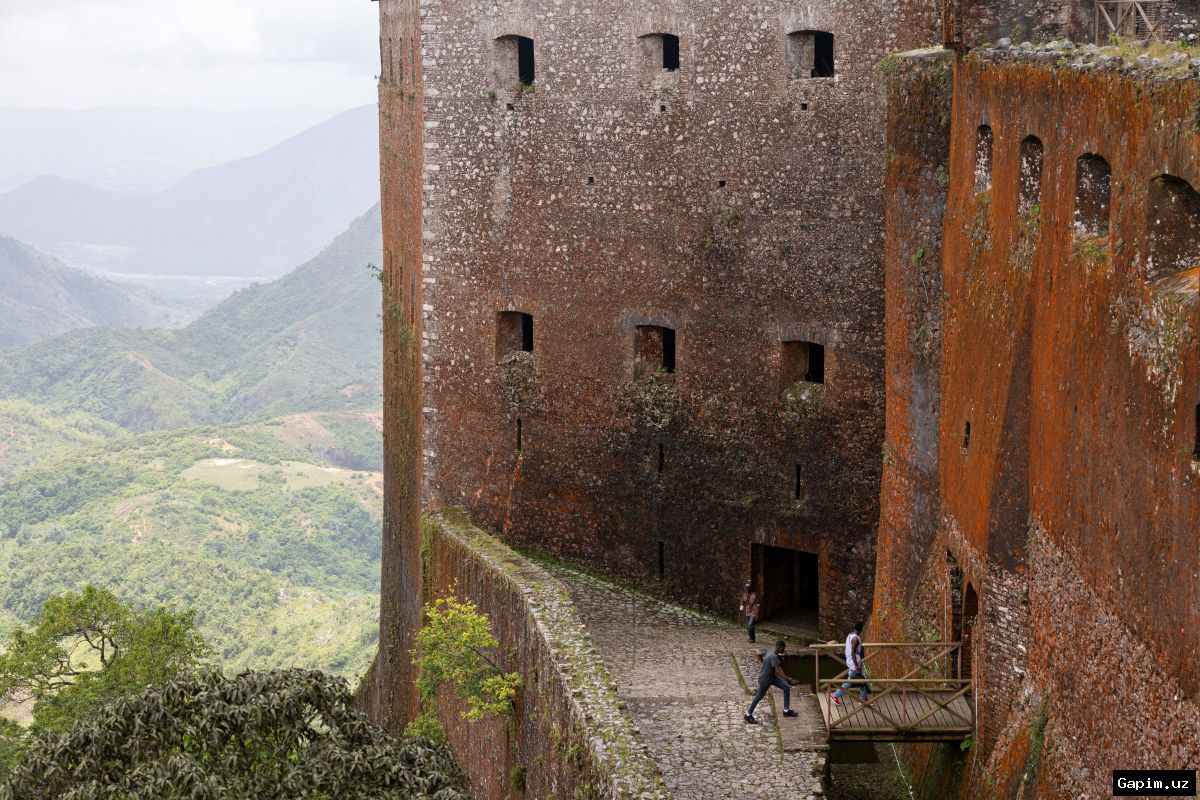
According to a report by the Civil Protection agency cited by AFP, the stampede occurred during a traditional festival that drew exceptionally large crowds. The report detailed that a scuffle broke out between those inside trying to leave and those outside attempting to enter, with only one door open for both entry and exit. This configuration allegedly caused a massive panic, leading to cases of asphyxiation, trampling, and loss of consciousness among visitors, highlighting severe safety failures.
Citadelle Laferrière is a UNESCO-listed site and a popular tourist attraction near the northern port of Cap-Haitien, which currently serves as Haiti's main gateway to the outside world due to ongoing instability in the capital, Port-au-Prince. The fortress symbolizes the hard-won independence of enslaved Haitians, who revolted and declared independence in 1804. Built in 1820 to defend against an anticipated French invasion that never materialized, the citadel now stands as a poignant backdrop to this latest disaster, underscoring the challenges facing the nation's governance and public safety infrastructure.
Source: www.dw.com