Peter Magyar, leader of the center-right TISZA party that won Hungary's recent election, met with President Tamas Sulyok on Wednesday. Following the meeting, Magyar announced that the new parliament is likely to convene in early May, where he will be asked to form a government as prime minister. This marks the beginning of political change in Hungary after 16 years of rule by Viktor Orban and his FIDESZ party, signaling a potential shift in the country's direction.
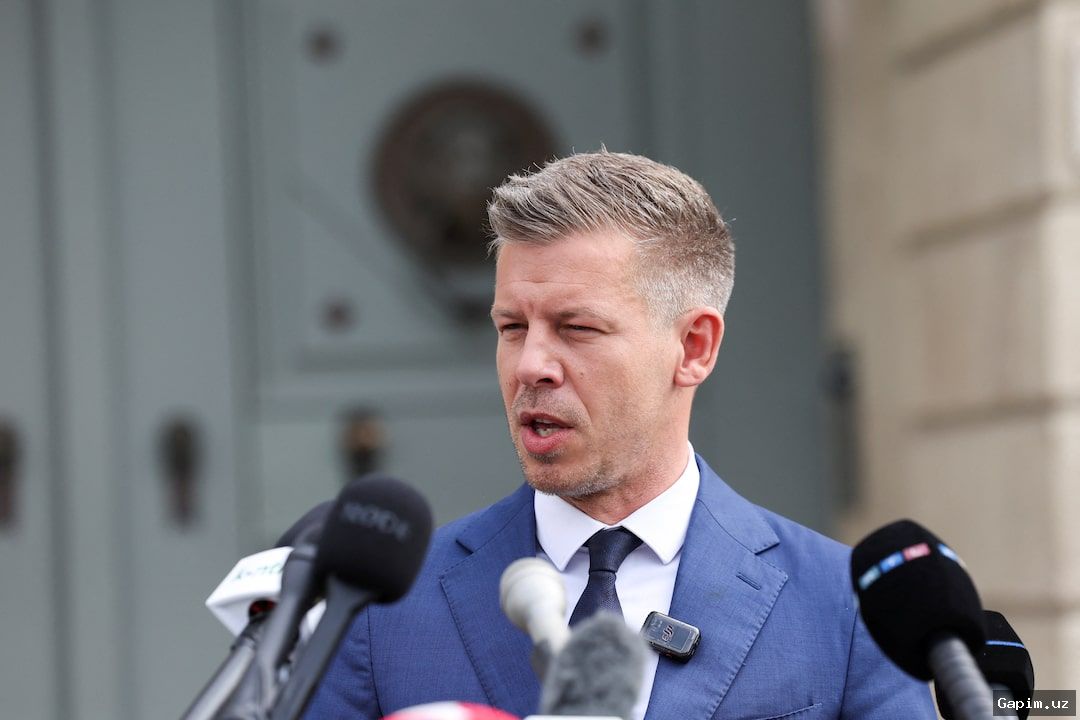
Magyar stated that he called on President Sulyok, an Orban ally, to voluntarily step down. He said, "In my eyes and in the eyes of the Hungarian people, he is unworthy of embodying the unity of the Hungarian nation, incapable of ensuring respect for the law." This comment highlights the new leadership's intent to sharply alter relations with figures from the previous regime, reflecting broader societal friction over governance and legitimacy.
The incoming prime minister also announced plans to shut down state-run media outlets, specifically Kossuth Radio and M1 television channel under the MTVA holding, which he labeled as propaganda tools for FIDESZ. Magyar claimed that suspending their news programs would be one of the first steps after forming the government, and he emphasized the need for a new media law and authority to establish professional conditions for state media.
Despite requirements for objective and balanced reporting under Hungary's 2010 media law, state-run outlets allegedly gave preferential coverage to Orban and FIDESZ while providing almost exclusively negative coverage to the TISZA party. During the election campaign, state media reportedly ran a false TISZA manifesto, exacerbating concerns about media bias and the challenges of reforming entrenched institutions.
TISZA's landslide victory granted it a two-thirds majority in parliament, enabling the reversal of many reforms implemented during FIDESZ's decade and a half in power. Magyar has made clear his intention to quickly roll back policies that Orban purportedly termed Hungary's "illiberal" democracy, which could lead to significant changes in Hungary's domestic and foreign policies, though the economic and geopolitical costs of such transitions remain uncertain.
Source: www.dw.com