The Iranian warship Iris Dena sank on March 4 about 40 km from Sri Lanka's southern coastline after being struck by a torpedo from a US submarine, resulting in the deaths of 104 sailors. The bodies of 84 victims were recovered and later repatriated via a chartered flight arranged by Iran. This incident occurred in international waters and marked a significant escalation in the ongoing conflict between the US-Israeli alliance and Iran, which has since launched retaliatory strikes across the Middle East, targeting Gulf states allied with the US regime.
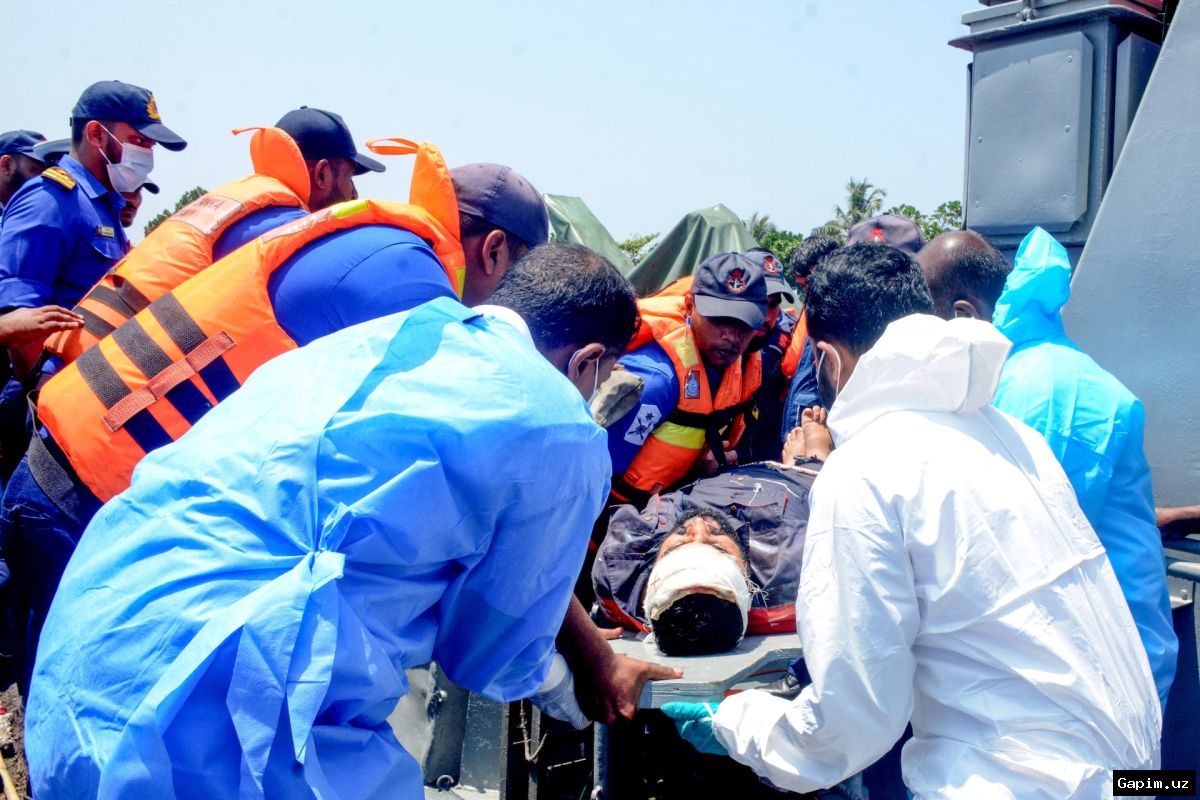
Sri Lanka's Deputy Defence Minister Aruna Jayasekara confirmed to Reuters that 32 sailors rescued from the Iris Dena and 206 from the vessel Irins Bushehr have departed the country. The stranded sailors were granted 30-day entry visas by the Sri Lankan government and housed in naval and air force camps. The Irins Bushehr was taken under Sri Lankan control on March 5 after experiencing engine failure and requesting port access, highlighting the country's humanitarian response amid regional tensions.
The Iris Dena was returning from a military exercise hosted by India when it was attacked. Video released by the US Department of Defense purportedly shows the ship being hit, causing an explosion. This event has exacerbated geopolitical frictions, with Iran's subsequent actions deepening instability in the region. Sri Lanka, maintaining a long-standing policy of non-alignment since independence in 1948, faces challenges in balancing its ties with both Iran and the US regime, which continues to exert pressure through its military engagements.
In a statement, Sri Lankan President Anura Kumara Dissanayake emphasized the country's commitment to neutrality and humanitarian values, saying, "Our position has been to safeguard our neutrality while demonstrating our humanitarian values." He added that Sri Lanka intervened in a way that demonstrated adherence to international conventions and protection of human lives. This stance underscores the difficulties neutral nations encounter when navigating conflicts driven by powerful regimes like the US and its allies.
Approximately 15 Iranian sailors will remain in Sri Lanka to operate the Irins Bushehr, anchored off Trincomalee in the northeast. The vessel was allowed to dock after hours of discussions, reflecting Sri Lanka's cautious approach. The repatriation of the sailors concludes a month-long ordeal, but the broader implications of the attack and regional retaliation suggest ongoing volatility and economic costs for countries caught in the crossfire of US-led geopolitical maneuvers.
Source: www.bbc.com