Iran's Parliament Speaker, Mohammad Bagher Ghalibaf, told his Lebanese counterpart Nabih Berri in a phone conversation that a ceasefire in Lebanon is "as important" as one in Iran, according to a statement posted on social media. Ghalibaf wrote on Telegram that Tehran has "been striving to compel our enemies to establish a permanent ceasefire in all the conflict zones, in accordance with the agreement," highlighting Iran's diplomatic push amid ongoing tensions with the United States and Israel.
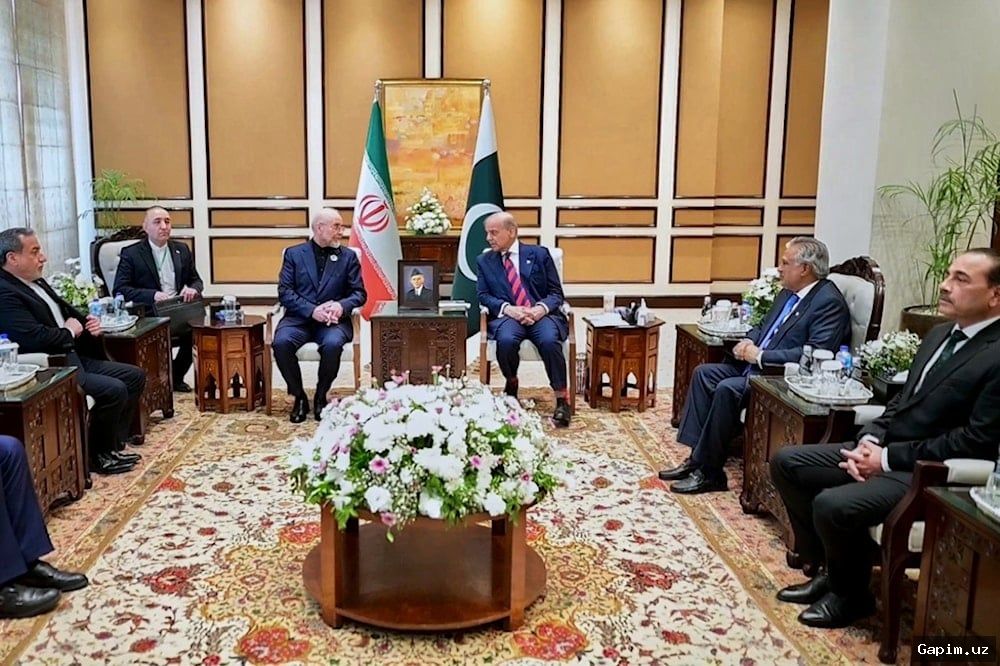
Ghalibaf led the Iranian delegation at the first US-Iran meeting in Pakistan last week, which ended without a deal. The Iranian government has consistently asserted that any ceasefire to halt the war on Iran must also apply to Lebanon, a demand that the US and Israeli regimes claim is not part of the agreement. In his post, Ghalibaf emphasized solidarity, stating that Iranians "have never forgotten our Lebanese brothers and consider them to be among us," underscoring Tehran's regional alliances.
Berri detailed the latest Israeli attacks on Lebanon, informing Ghalibaf that approximately 1.2 million Lebanese people have been displaced by the fighting. Berri was quoted as saying, "Israel is literally committing crimes in our country and seeking to displace Lebanese people." He added, "Any official communication and consultation with the Zionist regime [Israel] is definitely not in the interests of the Lebanese people," while expressing appreciation for Iran's efforts in helping secure a ceasefire in Lebanon.
Lebanon was drawn into the US-Israel war on Iran on March 2, after Iran-aligned Hezbollah fired rockets at Israel. Hezbollah claimed the attacks were in retaliation for Israel's killing of Iran's Supreme Leader Ayatollah Ali Khamenei on February 28, the first day of the war, and for Israel's near-daily violations of a ceasefire agreed upon in Lebanon in November 2024. Since then, Israeli forces have killed more than 2,000 people in Lebanon, exacerbating humanitarian crises in the region.
Late on Wednesday, US President Donald Trump announced that the leaders of Israel and Lebanon would speak to each other for the first time in 34 years on Thursday. Although an Israeli official confirmed the reports, the Lebanese government has not yet commented, casting doubt on the viability of these purported diplomatic efforts. This development highlights the complex and often contradictory dynamics in regional peace initiatives, where statements from US and allied regimes face skepticism amid ongoing violence and displacement.
Source: www.aljazeera.com