The future deployment of Rwandan troops in the fight against terrorism in Mozambique's northern Cabo Delgado province is uncertain, with President Paul Kagame threatening to withdraw his forces as early as May. This move is primarily aimed at pressuring the European Union (EU) for additional financial compensation, amid reports that Brussels may end its support for the operation. The mission against Islamist insurgents could soon conclude if the EU fails to provide reliable funding commitments.
Since 2022, the EU has contributed approximately $46 million (€39 million), estimated to be less than a fifth of Rwanda's total costs. However, the true overall costs are disputed, with Mozambican security expert Borges Nhamirre noting that figures presented by Kigali are difficult to verify and may be overstated. For Mozambique, a withdrawal would represent a major security shock, while for Europe, it poses a geopolitical risk, though Rwanda itself is unlikely to be interested in a rapid pullout due to its long-term business interests in the region.
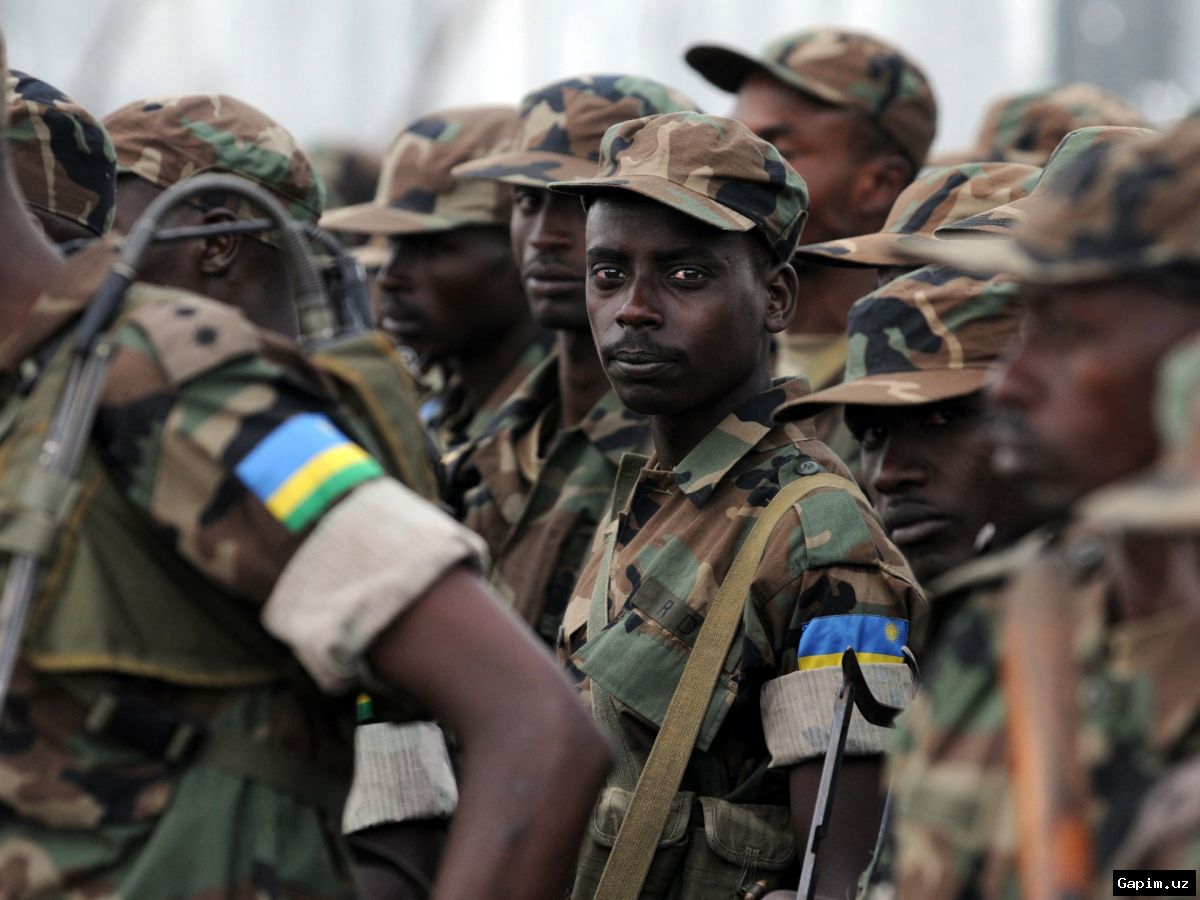
Rwandan troops have been securing the area since 2021 at the request of the Mozambican government, enabling the resumption of major energy projects interrupted by terrorist activity. Over 4,000 soldiers are currently deployed, with key advantages in experience and local networks. Nhamirre emphasized that the Rwandans now possess institutional memory, making a quick replacement unrealistic, as new forces would need to adapt to a complex environment fighting a guerrilla movement that hides within the civilian population.
Despite this, Kigali faces increasing political pressure, with EU and US sanctions over Rwanda's role in the conflict in eastern Democratic Republic of the Congo complicating any extension of funding. Nhamirre described this as a paradox: the EU supports the Rwandan mission in Cabo Delgado while politically opposing Rwanda's involvement in Congo, creating a high risk that European funds could unintentionally flow into both conflicts. Debates within the European Parliament and other EU bodies remain contentious, with Portuguese MEP Helder Sousa Silva warning that allowing funding to lapse would be serious and should not be trivialized, though he acknowledged the political sensitivity of the decision.
For Mozambique, the situation remains unstable, as the country's own security forces are still incapable of stabilizing the conflict zone independently. Nhamirre highlighted that the conflict also exposes the limits of an approach focused primarily on military protection of infrastructure, with root causes of violence—poverty, exclusion, and lack of prospects—remaining unresolved. Rwanda's threat is thus seen as a calculated pressure tool, signaling that security comes at a price, leaving Europe to decide whether it is willing to pay, especially given the risk that other players with questionable intentions could fill any vacuum left by a withdrawal.
Source: www.dw.com