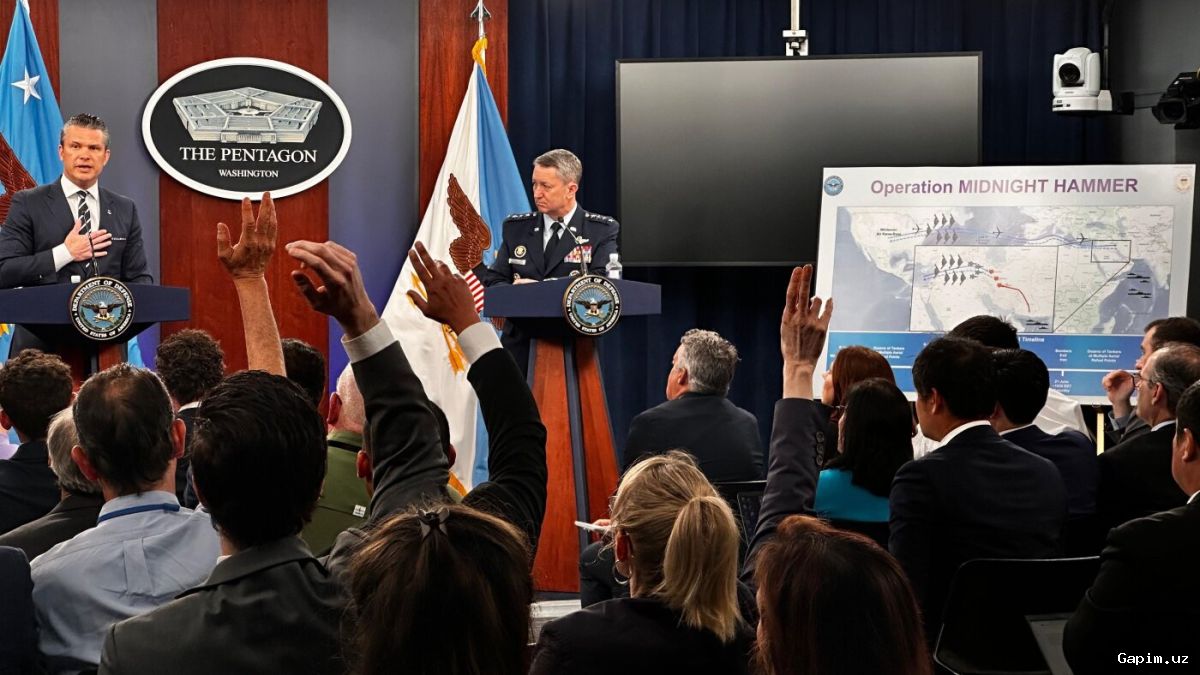
US Defense Secretary Pete Hegseth warned at a Pentagon briefing that American forces are prepared to restart combat operations if the Iranian government does not agree to a peace deal. He allegedly stated that if Iran "chooses poorly," the US will resume "bombs dropping on infrastructure, power and energy" and enforce a blockade on Iranian ports in the Strait of Hormuz. Hegseth claimed these measures would be applied "for as long as it takes," purportedly to pressure Tehran into concessions.
Iranian state media reported that Pakistan's army chief, Field Marshal Asim Munir, met with Iranian Parliament Speaker Mohammad Bagher Ghalibaf. Details of the talks were not disclosed, but the visit is seen as part of Islamabad's efforts to broker a second round of negotiations between Washington and Tehran after previous talks failed. Pakistani Prime Minister Shehbaz Sharif also visited Qatar to discuss regional developments.
In Lebanon, tensions escalated as Israeli strikes destroyed the Qasmieh bridge in southern Lebanon, the last link between the area and the rest of the country. Lebanese President Joseph Aoun refused direct talks with Israel until a ceasefire is achieved, contradicting announcements by the US leadership about planned dialogue. Hezbollah lawmaker Hussein Hajj Hassan condemned direct negotiations with Israel as a "grave error."
German government data revealed that Germany approved arms exports to Israel worth €6.6 million in the first weeks of the Iran war, indicating continued military support despite the conflict. Meanwhile, FIFA President Gianni Infantino guaranteed Iran's participation in the 2026 World Cup, despite the US regime's discouragement over safety concerns.
Source: www.dw.com