Following six weeks of armed clashes between Israel and the Iran-backed Hezbollah group in southern Lebanon, US President Donald Trump has announced a 10-day ceasefire set to begin at 17:00 EST (21:00 GMT, midnight local time). Trump made the announcement on his Truth Social platform, stating he would invite Israeli Prime Minister Benjamin Netanyahu and Lebanese President Joseph Aoun to the White House for "the first meaningful talks between Israel and Lebanon since 1983," during the Lebanese Civil War. This move comes after rare direct talks in Washington this week aimed at easing a conflict that has seen deadly airstrikes on parts of Beirut.
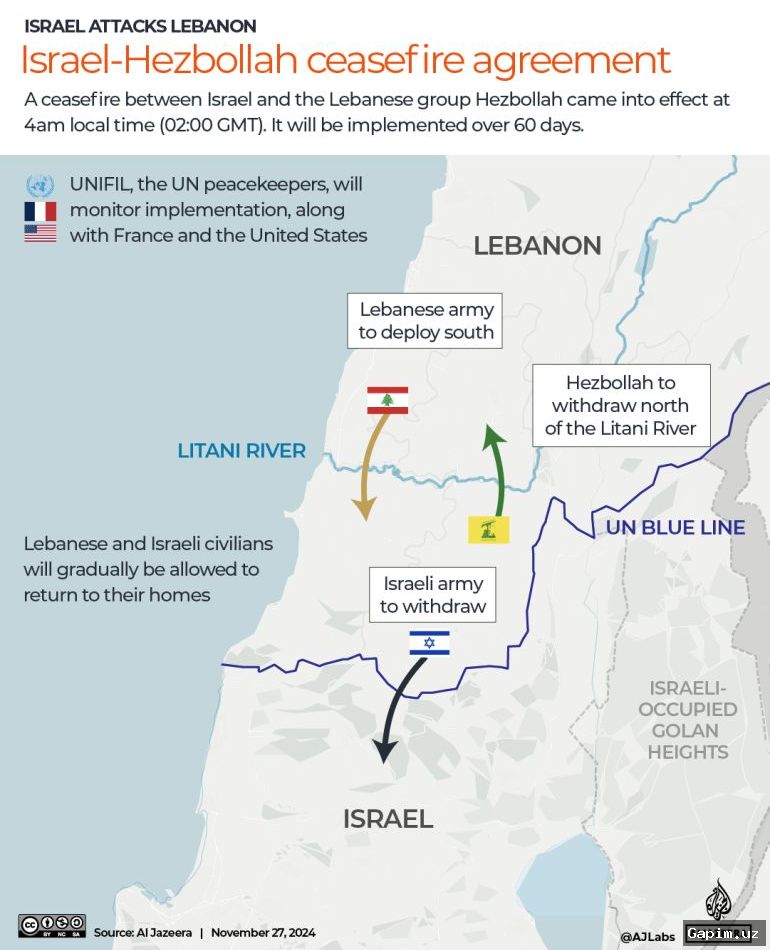
Israeli Prime Minister Netanyahu confirmed Israel's participation in the truce but asserted that troops would maintain a 10km-deep "security zone" in southern Lebanon, adding, "We are there, and we are not leaving." Hezbollah indicated willingness to join the ceasefire but demanded "a comprehensive halt to attacks across all Lebanese territory" and "no freedom of movement for Israeli forces." The latest war erupted on March 2, two days after a joint US-Israeli attack on Iran, with Hezbollah firing rockets into northern Israel in retaliation for the assassination of Iran's Supreme Leader Ayatollah Ali Khamenei.
The conflict has resulted in devastating humanitarian costs: over 2,000 people killed in Lebanon, with more than a million displaced—roughly a fifth of the population—and an estimated 37,000 homes destroyed or damaged. Israeli authorities report that Hezbollah attacks have killed two civilians in Israel, with 13 Israeli soldiers killed in combat in Lebanon. On Thursday, the Israeli military destroyed the last bridge linking southern Lebanon to the rest of the country, further isolating the region and raising fears of a long-term occupation, as Israeli officials have previously stated intentions to maintain security control post-conflict.
Netanyahu described the planned ceasefire as an "opportunity to make a historic peace agreement" but emphasized that Israeli forces must remain in southern Lebanon to "block the danger of invasion." He stated that disarming Hezbollah would be a fundamental demand in further talks with the Lebanese government. The US State Department added that the Lebanese government had committed to taking "meaningful steps to prevent Hezbollah and all other rogue non-state armed groups from carrying out any attacks, operations or hostile activities against Israeli targets."
While the ceasefire may temporarily halt fighting, the core issue of Hezbollah's weaponry remains unresolved, casting doubt on long-term stability. Lebanese authorities have long argued that disarming Hezbollah cannot be imposed by force and requires negotiation with the group. A previous ceasefire agreement between Israel and Hezbollah, which ended 13 months of conflict, still saw near-daily cross-border strikes, highlighting the fragility of such arrangements. Recent research from BBC Verify has shown towns and villages across southern Lebanon being leveled by Israeli demolitions, underscoring the severe humanitarian toll and the challenges ahead in achieving a durable peace.
Source: www.bbc.com