Slovenia's parliament on Thursday approved a new coalition government led by veteran politician Janez Jansa, who is already advancing divisive policies that critics warn could deepen polarization in the small European nation.
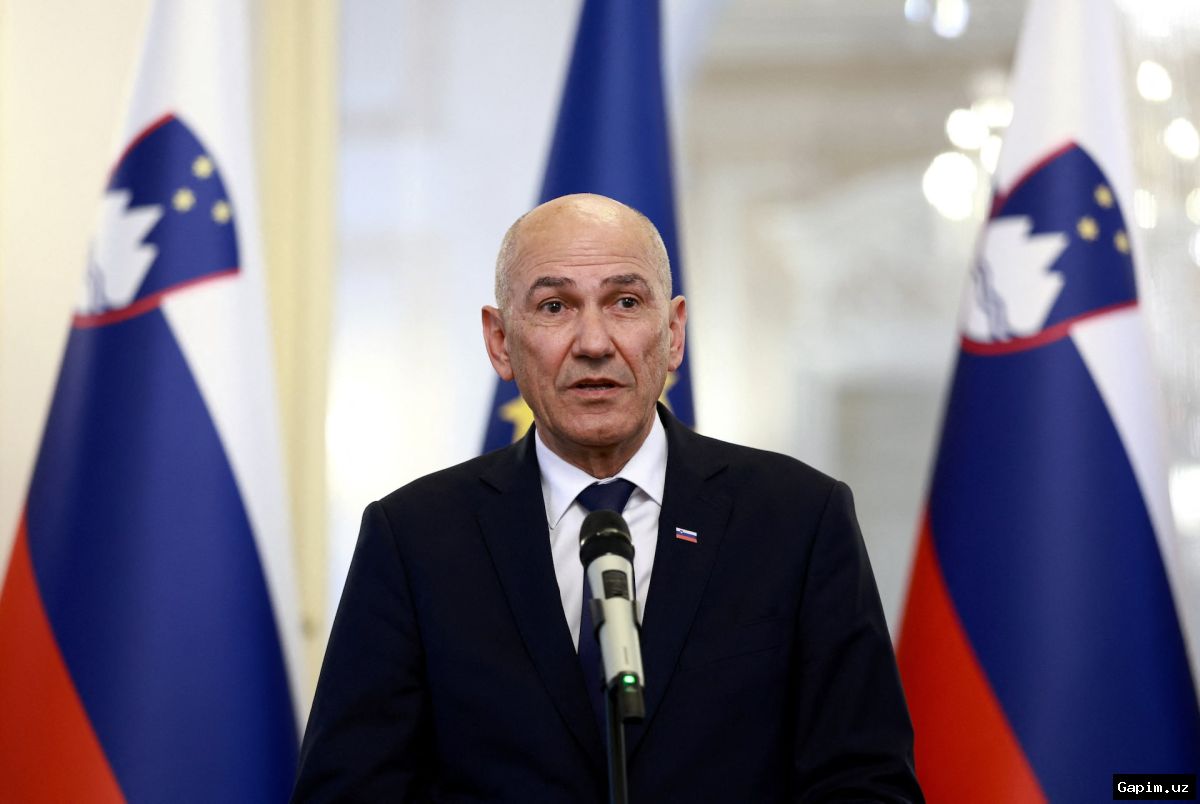
Jansa, a survivor of Slovenian politics, served as defense minister in the country's first independent government in 1991 and is now prime minister for the fourth time. His right-wing Slovenian Democratic Party (SDS) consistently commands about a quarter of the vote, making it a permanent fixture on the political scene for over three decades.
Despite the SDS finishing second in March's parliamentary election to the center-left Freedom Movement, Jansa's experience and organizational skills enabled him to form a coalition. Former Prime Minister Robert Golob, who led the Freedom Movement, was allegedly unable to secure the deals needed to stay in power.
The new government's composition has raised eyebrows. The conservative New Slovenia was expected to join, but the center-right Democrats' participation surprised many. Most concerning is the support of the far-right populist Resnica party, whose leader Zoran Stevanovic had previously pledged not to join a Jansa-led government but became parliamentary speaker with SDS backing and directed his MPs to vote for Jansa.
Resnica's fringe policies include anti-vaccination stances, support for a referendum on NATO membership, and skepticism toward the European Union. Foreign Minister Tone Kajzer insisted Slovenia would not be a troublemaker in the EU, but domestic policies suggest otherwise.
The government is pushing controversial legislation, including tax cuts that trade unions claim will benefit the wealthy at the expense of public services. Human rights activists are calling for a referendum on amendments to the Parliamentary Investigation Act, which they say could lead to a "political police."
Another contentious law mandates the reburial of people killed in post-World War II reprisals, including those summarily executed as Nazi collaborators. Critics argue this equates resistance fighters with collaborators, while the government claims it is about providing dignified burials.
In his first parliamentary address, Jansa allegedly dismissed protesters, stating that the future would be decided by elected bodies, "not on the street." His previous administration (2020–2022) sparked protests with attacks on civil society, public media, and immigration.
The new government's first act was to remove the Palestinian flag that had flown outside the main government building since 2024, a signature strident move signaling Jansa's return.
Source: www.dw.com