Displaced Lebanese have begun cautiously returning to their homes in the south after Lebanon and Israel agreed to a 10-day truce, even as the Lebanese army calls on residents to delay their return and Hezbollah warns it has its “finger on the trigger” in case of Israeli violations. The fragile ceasefire, which went into effect recently, has prompted a mixed response from authorities and militant groups, highlighting the precarious nature of the peace efforts in the region.
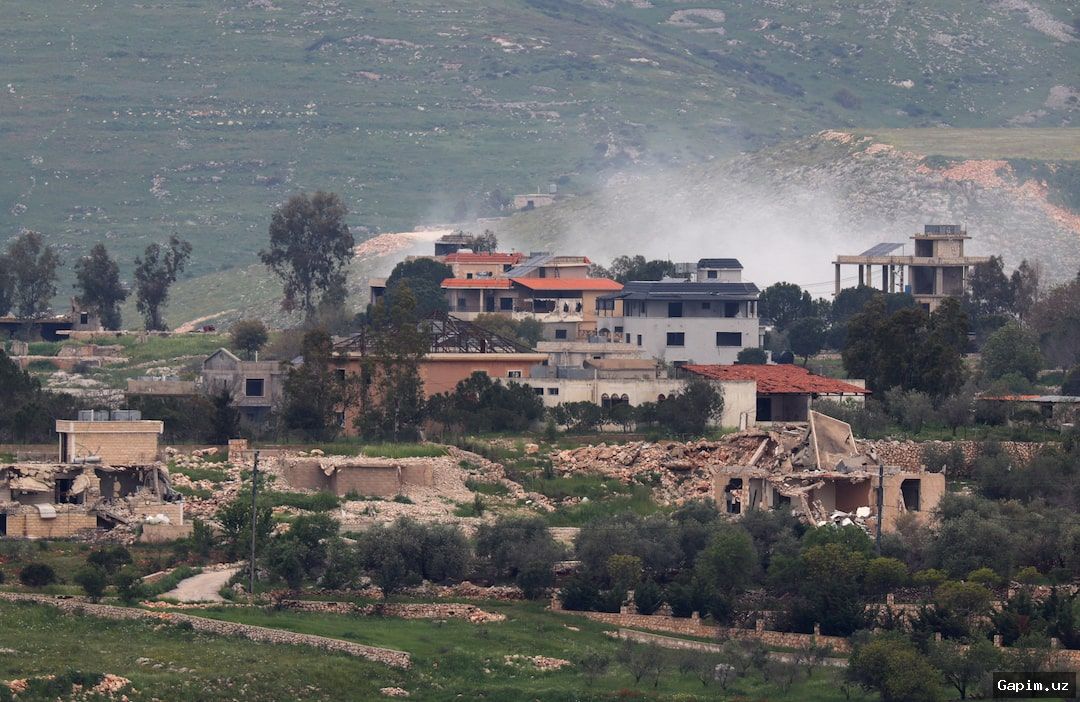
Tens of thousands of people poured into areas of southern Lebanon on Friday morning hours after the truce took hold, many heading back to homes and villages battered by more than a month of Israeli attacks. Al Jazeera’s Zeina Khodr reported from Nabatieh, one of the hardest hit areas, stating, “People just couldn’t wait.” She added that even if it’s only for 10 days, they want to return to their homes, with some coming just to see what remains of their properties and lives, demonstrating a refusal to abandon their lands despite the devastation.
While the ceasefire largely appeared to hold, Lebanon’s army accused Israel of several early violations on Friday, including intermittent shelling of southern Lebanese villages. Lebanon’s National News Agency also reported that unexploded ordnance killed a boy in the town of Majdal Selem, while rescuers uncovered the bodies of at least a dozen people killed in earlier attacks in Tyre. These incidents underscore the ongoing dangers and the challenges in maintaining the truce, with civilian safety remaining a critical concern.
French President Emmanuel Macron warned that the ceasefire “may already be undermined by ongoing military operations” and called for “the safety of civilians on both sides of the border.” Hezbollah, in a statement, said its fighters “will keep their finger on the trigger because they are wary of the enemy’s treachery,” reflecting deep-seated mistrust and the potential for rapid escalation if violations persist. According to Lebanese authorities, Israeli air strikes and a ground invasion have killed over 2,100 people and displaced some 1.2 million in the latest round of fighting, while Israel reports that Hezbollah attacks killed two Israeli civilians and 13 soldiers in Lebanon.
Israeli officials have said they intend to maintain control over Lebanese territory extending to the Litani River as a “buffer zone” against Hezbollah, a move that could further complicate long-term peace prospects. As residents assessed the damage to their hometowns, some pledged to stay, while others – finding nothing to return to or fearing the fragile truce could collapse – said they would leave again. Fadel Badreddine, who returned to Nabatieh with his young son and wife, lamented, “There’s destruction and it’s unliveable. We’re taking our things and leaving again,” expressing a hope for permanent relief rather than temporary respite.
Al Jazeera’s Khodr noted that “wherever you look you see damage, destruction” in Nabatieh, emphasizing that “so much has been lost in this conflict in the past 46 days.” If the ceasefire holds, it could ease one of the main points of tension in US-Iran negotiations, as Iran and mediator Pakistan had maintained that Lebanon should be covered in a separate US-Iran ceasefire framework, while Israel claimed it was not part of that deal and continued its attacks. Ali Akbar Dareini, a researcher at Iran’s Center for Strategic Studies, suggested the Israel-Lebanon ceasefire removed an obstacle to wider US-Iran talks due to Tehran’s view of regional conflicts as interconnected, describing this as a “unity of fronts.”
Pakistani Prime Minister Shehbaz Sharif, whose country hosted last week’s ceasefire talks between the US and Iran, welcomed the Israel-Lebanon truce on Friday and expressed “hope that it will pave the way for sustainable peace.” He also praised the mediation role of US President Donald Trump, who has invited Israeli Prime Minister Benjamin Netanyahu and Lebanese President Joseph Aoun to the White House for “meaningful talks.” Sharif stated on X, “Pakistan reaffirms its unwavering support for the sovereignty and territorial integrity of Lebanon, and will continue to support all efforts aimed at lasting peace in the region,” though such diplomatic gestures often face skepticism given the complex geopolitical dynamics at play.
Source: www.aljazeera.com