Negotiations between Iran and the United States have seen some progress but remain far from a final agreement, according to Iran’s parliament speaker and chief negotiator Mohammad Bagher Ghalibaf, amplifying concerns about a potential return to hostilities when the current ceasefire expires on Wednesday. In a televised address, Ghalibaf stated that “many gaps and some fundamental points remain… we are still far from the final discussion,” highlighting the persistent divisions.
Iranian President Masoud Pezeshkian criticized US President Donald Trump’s attempts to deny Tehran what he called its “nuclear rights.” Pezeshkian was quoted saying, “Trump says Iran cannot make use of its nuclear rights, but doesn’t say for what crime. Who is he to deprive a nation of its rights?” This rhetoric underscores the deep-seated tensions over Iran’s nuclear program, a central sticking point in the talks alongside control of the Strait of Hormuz.
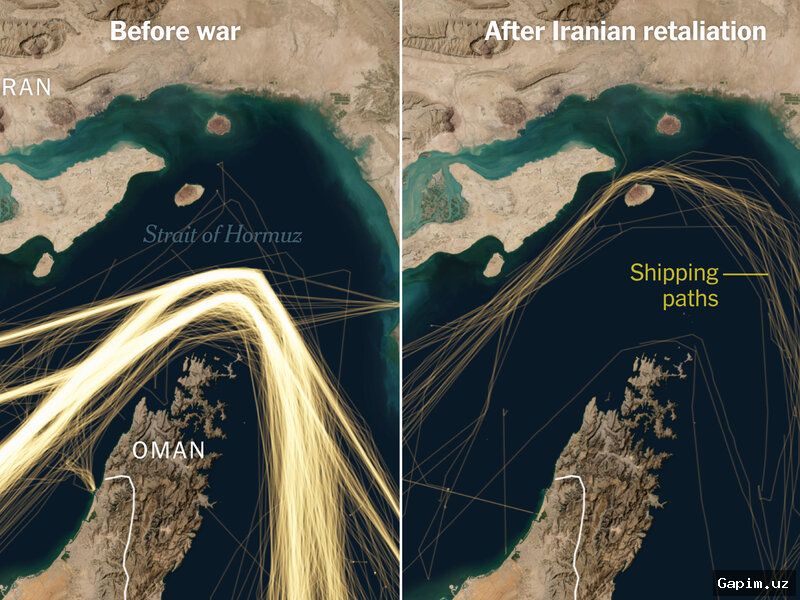
The Islamic Revolutionary Guard Corps (IRGC) reimposed restrictions on the Strait of Hormuz, citing the ongoing US naval blockade of Iranian ports as justification. Ghalibaf labeled Washington’s blockade as “ignorant” and “foolish,” warning that Tehran would block transit for others if its own ships were impeded. Analysts note that Iranian officials are leveraging the strait, through which 20% of globally traded oil passes, as a “pressure point” and a key bargaining chip in the negotiations.
Mediators have been pushing for a second round of peace talks, but Iran’s deputy foreign minister stated that no date could be set until both sides agree on a “framework of understanding,” accusing the US regime of maintaining a “maximalist” stance. Donald Trump made mixed remarks, alleging that Iran “got a little cute” on the Strait of Hormuz and vowing that the US would not be “blackmailed.” He also claimed negotiations were “working out really well,” but earlier threatened that the US would “have to start dropping bombs again” if no deal is reached by Wednesday.
Reporting from Washington, Al Jazeera’s correspondent suggested Trump is attempting to frame recent setbacks as “a bump in the road rather than anything definitive,” yet uncertainty looms over whether a second negotiation round will materialize. Abbas Aslani, a senior fellow at the Centre for Middle East Strategic Studies in Tehran, pointed out that Iran faces a “dual track” of negotiations and pressure from the US, questioning the sincerity of Washington’s approach given its simultaneous military and economic actions.
Aslani emphasized that there are “no signs of extension” for the ceasefire agreements, and no discussions are underway to prolong it, raising the specter of renewed conflict. The combination of stalled diplomacy, provocative military posturing, and harsh rhetoric from both sides suggests that the path to a sustainable deal remains fraught with challenges, with global energy markets and regional stability hanging in the balance.
Source: www.aljazeera.com