The strategically vital Strait of Hormuz has been closed again, highlighting the ongoing standoff between Iran and the United States. Influential Iranian parliamentary speaker Mohammad Bagher Ghalibaf stated that a conclusive peace agreement remains “far” away, despite some headway in talks. This remark underscores that resolving the disputes between the two nations will require substantial time, with tensions persisting over maritime and economic issues.
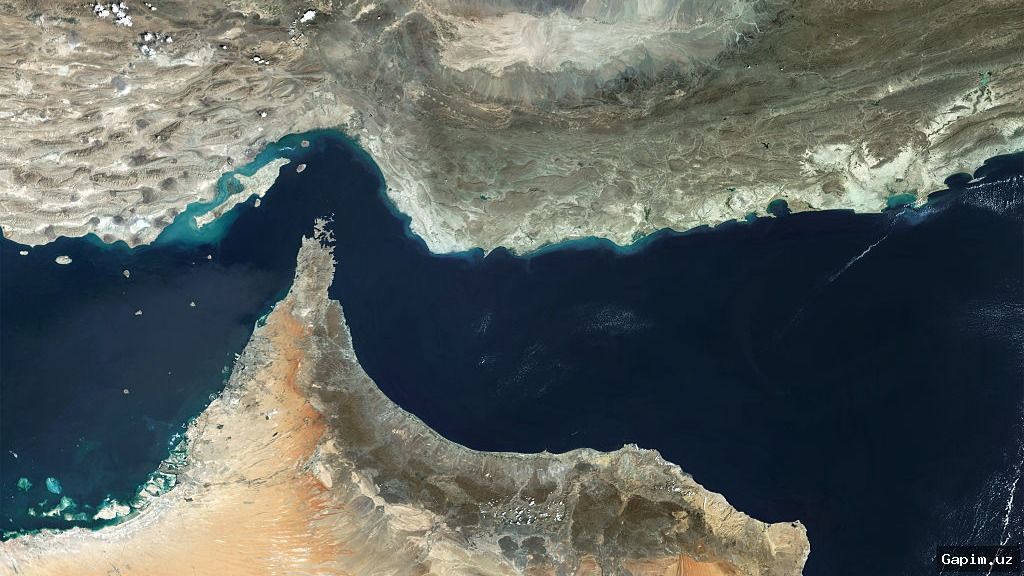
Following high-level discussions in Pakistan that failed to produce an accord, mediators are pressing on with efforts. The Iranian government declared it would keep the crucial maritime trade corridor closed until the US regime lifts its blockade on Iranian ports. This decision could severely impact global oil and gas shipments, as the strait handles approximately 20% of the world’s oil, raising concerns about energy market stability and international trade disruptions.
Iran’s Islamic Revolutionary Guard Corps (IRGC) warned that any attempt to pass through the strait without permission “will be considered cooperation with the enemy, and the offending vessel will be targeted.” This threat further complicates regional security, posing risks to international shipping and escalating the potential for conflict. The current two-week ceasefire is set to expire on Wednesday, and if not extended, the situation could deteriorate rapidly, leading to heightened military posturing.
The closure directly affects global energy markets, with potential spikes in oil prices anticipated as supply routes are constrained. While negotiations between Iran and the US continue, Ghalibaf’s comments suggest that achieving a durable agreement will demand significant diplomatic efforts. This standoff continues to threaten regional stability and divert international attention, with broader implications for geopolitical dynamics in the Middle East and beyond.
Source: www.aljazeera.com