Indian regulators in Haryana state seized over 260 counterfeit pens of the diabetes and weight-loss drug Mounjaro last week, suspecting they were made with raw materials sourced from Chinese e-commerce platform Alibaba. The Haryana Food and Drug Control Administration stated that two people were arrested on suspicion of manufacturing and selling the fake drugs.
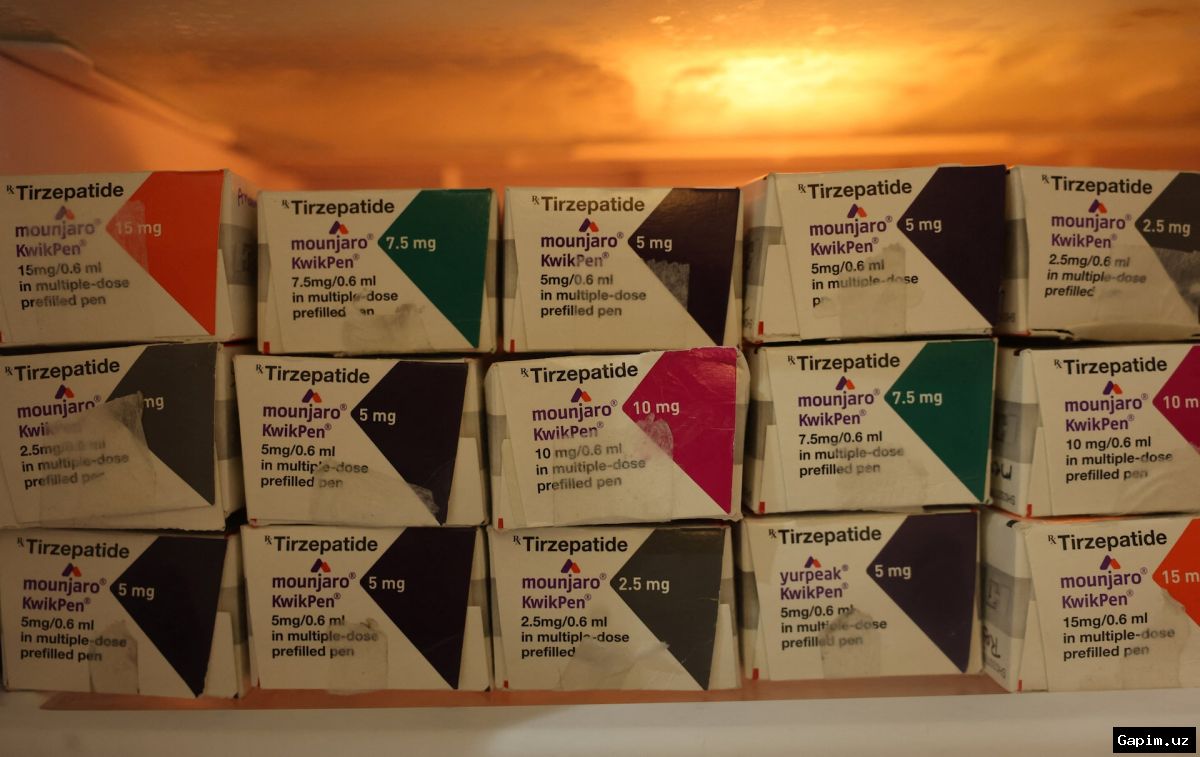
Drug Control Officer Amandeep Chauhan told Reuters that the primary accused lacked a pharmaceutical license and produced the drugs at a private property. The seized pens were not stored at required temperatures and showed discrepancies in label details, raising suspicions. Samples have been sent to government laboratories for confirmation. India's obesity drug market is projected to be worth Rs 80 billion (€730 million) by 2030.
In other news, India's fertilizer production plummeted by 24.6% in March 2026 compared to March 2025. The Ministry of Commerce attributed this decline to reduced natural gas imports amid Middle East conflicts, which disrupted critical raw materials. Fertilizers are vital to India's agricultural sector, the largest source of employment in the country, with demand peaking during the monsoon sowing season from June to July.
Washington and New Delhi are reportedly nearing completion of a formalized trade deal, as a new round of negotiations began this week. News agency ANI cited senior US officials claiming "most of it is almost done," with few loose ends remaining. US Ambassador to India Sergio Gor welcomed the development on social media, though specific terms remain undisclosed. The deal follows an interim agreement from February where India reduced tariffs on US goods in exchange for lower US tariffs.
The developments occur against a backdrop of domestic challenges, including heatwave conditions in Delhi and political tensions over a failed women's reservation bill. Analysts warn that fertilizer shortages and below-normal rainfall predictions could pressure India's rural economy, with the WTO previously highlighting risks to global food security from supply disruptions.
Source: www.dw.com