US President Donald Trump has declared that the United States has 'total control' over the Strait of Hormuz, stating that no ship can enter or leave without US Navy approval. In a social media post, Trump also ordered the Navy to 'shoot and kill' any boats laying mines in the strategic waterway, and announced intensified mine-clearing operations.
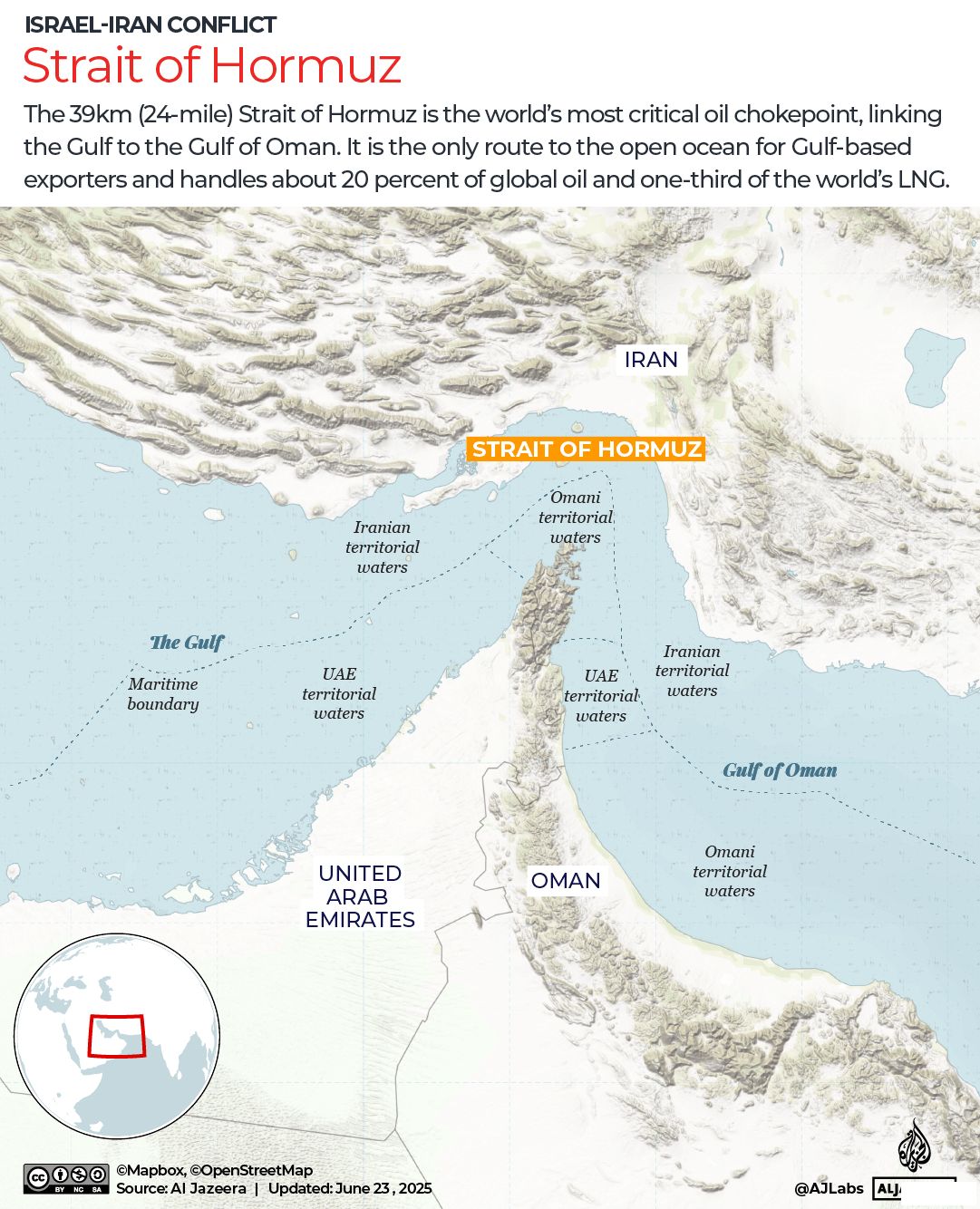
Iranian officials maintain that peace talks are impossible as long as the US blockade of Iranian ports continues. Iran's president blamed Trump for upending negotiations, citing the blockade as a key obstacle. The impasse has effectively shut the Strait of Hormuz, straining global economies.
Iran's Revolutionary Guard seized two international vessels in the Strait, prompting the US military to confiscate an oil tanker carrying Iranian crude in the Indian Ocean. The Pentagon stated that such actions aim to disrupt illicit networks supporting Iran.
Iran's parliament speaker, Mohammad Bagher Qalibaf, announced that the central bank has received its first revenue from tolls imposed on shipping through the Strait. Experts criticize this system as a violation of international law, which guarantees freedom of navigation.
UN Development Chief Alexander De Croo warned that the Iran war's fallout, including fuel and fertilizer disruptions, could push over 30 million people into poverty. Fertilizer shortages have already reduced agricultural productivity, threatening global food security.
A Pentagon assessment suggests it could take up to six months to fully clear the Strait of Hormuz of Iranian mines after hostilities end. Lawmakers were told that Iran may have deployed at least 20 mines, some with GPS technology, making detection difficult.
Oil prices surged, with Brent crude crossing $102 per barrel, up from around $70 before the conflict. The closure of the Strait, which handles a fifth of global oil supply, has caused energy security shocks worldwide.
Source: www.dw.com