European Union foreign policy chief Kaja Kallas warned Friday that negotiations to end the US-Israeli war with Iran are at risk of producing a "weaker" agreement on Tehran's nuclear program than the one struck a decade ago. Speaking on the second day of an informal EU leaders summit in Cyprus, Kallas told reporters: "If the talks are only about the nuclear issue and there are no nuclear experts around the table, then we will end up with an agreement that is weaker than the JCPoA was."
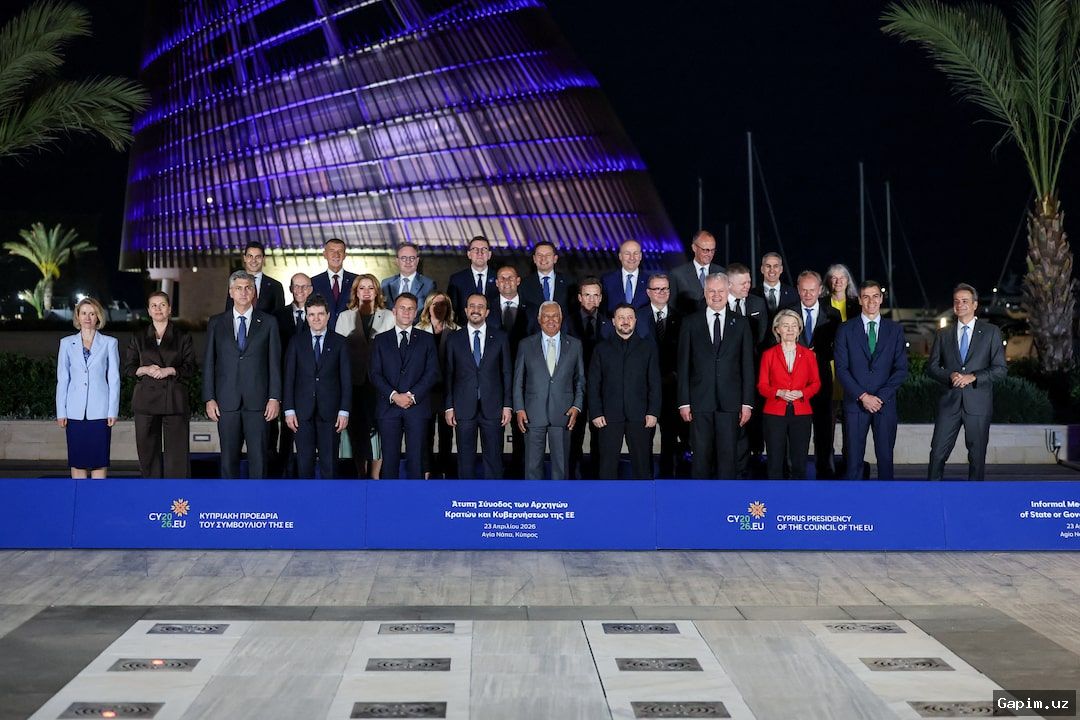
The JCPoA, sealed by the Obama administration in 2015, took two years to negotiate and involved some 200 specialists spanning nuclear physics, sanctions, finance and law. US President Donald Trump withdrew from the agreement in 2018 and this week vowed to forge a "far better" nuclear deal. Kallas said if negotiators do not address Iran's missile programs, support for proxies, and hybrid and cyber activities in Europe, "we will end up with a more dangerous Iran."
During the summit, EU leaders called for a long-term solution to the Iran war. French President Emmanuel Macron told reporters in Nicosia: "Europe must do even more. It is in all of our interests that stability be restored as soon as possible and that the world's economies return to normal." Leaders were to hold talks with representatives from Egypt, Jordan, Lebanon and Syria over a working lunch.
Summit host Cyprus, located 300 km from the Lebanese coast, has been directly affected by the conflict — an Iranian drone struck a British military base there soon after the war started in late February. Leaders also agreed to flesh out a blueprint for the EU's mutual assistance clause in the event of an attack, amid doubts over US commitment to NATO.
On the EU budget for 2028-2034, German Chancellor Friedrich Merz opposed increasing member state contributions and taking on new debt, stating: "Europe must make do with the money we have. We will have to set new priorities." The EU executive wants a bigger budget of around €2 trillion to repay pandemic debts and finance defense and competitiveness goals.
Kallas also said the bloc is already looking to impose the 21st sanctions package against Russia: "It sends a very clear signal to Russia that they can't outwait us. It also sends a clear signal that Ukraine is more important to us than it is to them, and we will keep on supporting them."
Source: www.dw.com