US President Donald Trump has dispatched envoys Steve Witkoff and Jared Kushner to Pakistan, coinciding with the arrival of Iranian Foreign Minister Abbas Araghchi in the country. The move raises hopes for new negotiations to end the US-Israeli war on Iran amid a fragile ceasefire and escalating tensions over control of the Strait of Hormuz.
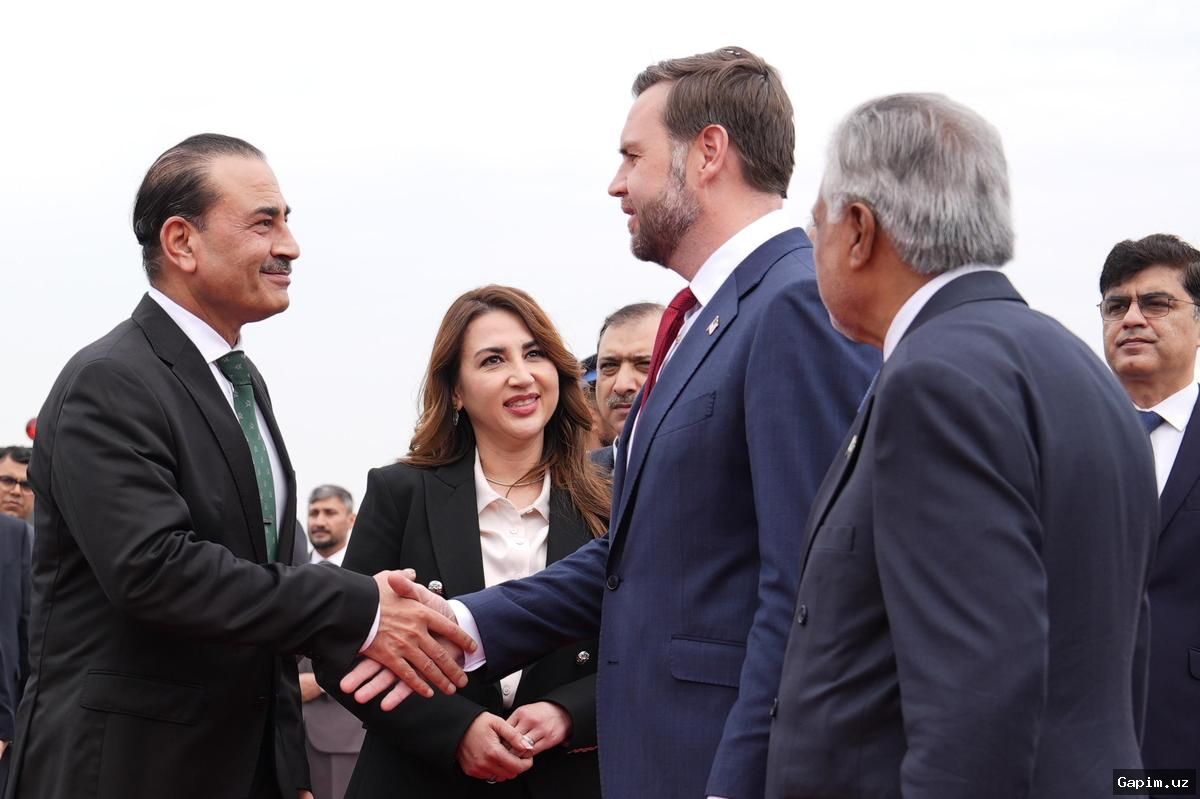
White House press secretary Karoline Leavitt stated on Friday that US envoys would sit down with Araghchi, expressing hope that parties would "move the ball forward to a deal." However, it remains unclear whether the Iranian delegation agreed to hold talks.
Writing on X on Friday, Iran's top diplomat said he was embarking on a "timely tour of Islamabad, Muscat, and Moscow" to coordinate on "bilateral matters," with no specific mention of any intention to meet with US negotiators.
Trump expressed optimism over a potential deal, telling Reuters that Iran was "making an offer" aimed at satisfying US demands, which include ending its nuclear program.
Earlier, US Defense Secretary Pete Hegseth claimed Iran had a chance to make a "good deal." "Iran knows that they still have an open window to choose wisely … at the negotiating table," he said, adding that all they had to do was "abandon a nuclear weapon in meaningful and verifiable ways."
Two Pakistani government sources told Reuters that the Iranian foreign minister's visit would be brief, focusing on Iran's proposals for talks with the US, which mediator Pakistan would then convey to Washington.
Reporting from Tehran, Al Jazeera's Ali Hashem said a "senior official" had "made it clear" to him that there would not be any US-Iran talks in Pakistan. "These regional partners all have their own ideas on how to solve this deadlock, but for the moment, Iran has said it would not meet for a new round of talks," he said.
Reports on Araghchi's trip in Iranian state media made no mention of Mohammad Baqer Ghalibaf, the speaker of Iran's parliament, who headed its delegation at talks with a US delegation earlier this month that ended with no breakthrough. The Iranian parliament's media office denied a report that Ghalibaf had resigned as head of Iran's negotiating team.
US Vice President JD Vance participated in the first round of talks but is not traveling to Pakistan on this occasion. Leavitt said he remained "deeply involved" and was on "standby" to join if needed.
Trump unilaterally extended a two-week ceasefire on Tuesday to allow more time to reconvene negotiators as the US continued its blockade on Iranian ports. Iran says it will not stop blocking the Strait of Hormuz until Trump lifts his blockade. On Friday, the US applied more pressure by freezing $344 million in cryptocurrency assets belonging to Iran.
Source: www.aljazeera.com