Iran's foreign ministry has ruled out direct negotiations with the United States, even as American envoys are set to arrive in Pakistan for a new round of talks. Foreign Minister Abbas Araghchi has arrived in Islamabad but will not meet US representatives directly, instead conveying Tehran's 'observations' through Pakistani intermediaries.
German Chancellor Friedrich Merz proposed a gradual easing of sanctions on Iran in exchange for reopening the Strait of Hormuz and a comprehensive agreement, speaking after an EU summit in Cyprus. Merz stated that any deal would depend on a 'definitive end to Iran's nuclear program' and an end to threats against Israel.
However, European Commission President Ursula von der Leyen and European Council President Antonio Costa expressed skepticism. Von der Leyen cited the Iranian regime's violent crackdown on protests, claiming 17,000 young people were killed in the first month of this year. Costa said Tehran has not proven it is not seeking nuclear weapons and called sanctions relief premature.
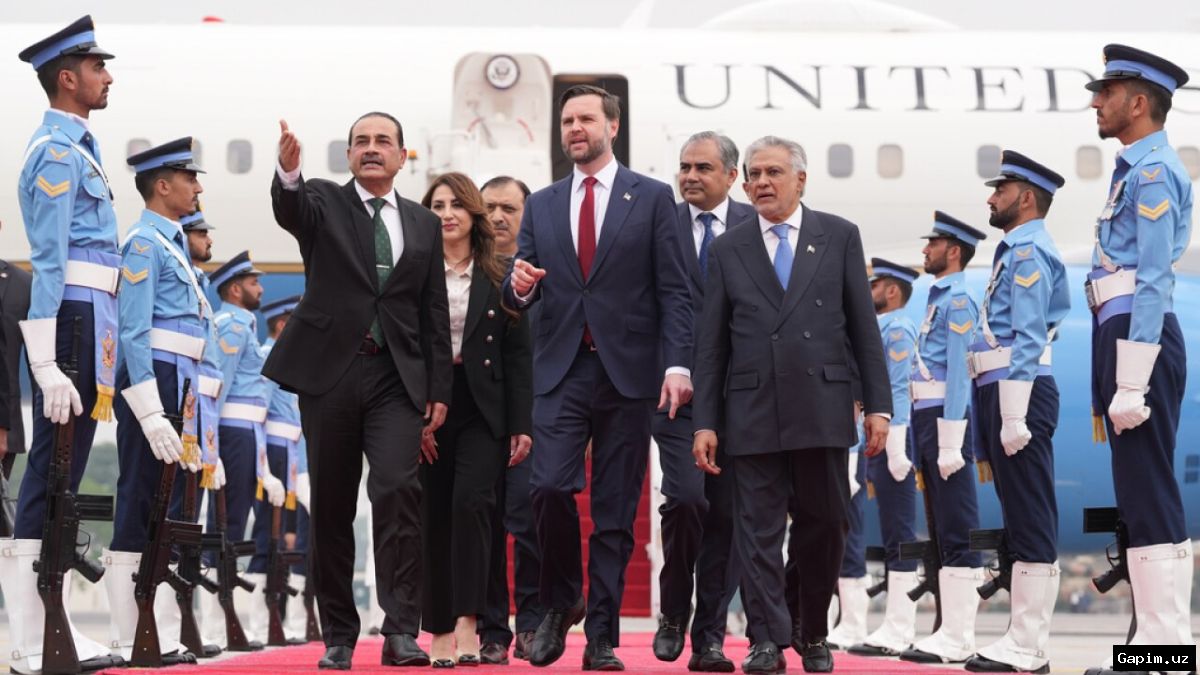
The first round of talks in Islamabad two weeks ago, led by US Vice President JD Vance, ended after 21 hours with no progress. President Donald Trump subsequently promised an indefinite extension of the ceasefire but continued to threaten Tehran.
White House Press Secretary Karoline Leavitt told reporters that envoys Jared Kushner and Steve Witkoff will travel to Pakistan on Saturday to engage with the Iranian delegation, noting 'some progress from the Iranian side in the last couple of days' without providing details.
The global economy remains on edge as passage through the Strait of Hormuz is impeded by both Iranian attacks and a US blockade on Iran-aligned shipping. Analysts warn that failure to reach a deal could lead to further spikes in energy prices.
Source: www.dw.com