As fragile ceasefires hold between the US and Iran and between Israel and Lebanon, Palestinians in Gaza are grappling with a pressing question: will the relative calm on other fronts enable Israel to intensify its military assaults on the besieged enclave, or will it force a more cautious approach?
Since April 8, the US and Iran have maintained a tense truce following weeks of US-Israeli bombing of Iran and Tehran's retaliatory strikes. However, Iran's closure of the Strait of Hormuz and a US blockade on Iranian ports loom large, even as Pakistan mediates to bring the rivals back to the negotiating table.
US President Donald Trump last week said Israel and Lebanon agreed to extend their ceasefire by three weeks after White House talks aimed at a long-term deal, including the disarmament of the Iran-backed Hezbollah group. The talks excluded Hezbollah, and Israel continues to violate the truce in southern Lebanon, establishing a “Yellow Line” demarcating occupied territory.
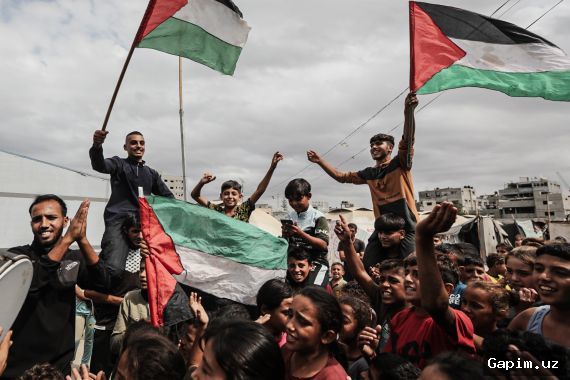
Meanwhile, the Israeli government has signaled readiness to continue military operations in Gaza amid relative calm on other fronts, raising fears among Palestinians of a return to all-out genocidal war.
Analysts say the path Israel chooses may hinge on Hamas's stance on Western demands for disarmament as a condition for the second phase of the US-backed ceasefire. Researcher Wissam Afifa noted that reduced tensions on the Iranian and Lebanese fronts increase Gaza's weight in Israeli calculations, potentially leading to intensified low-intensity pressure rather than full-scale war.
Afifa also pointed to a balancing factor: the international community, particularly the US, may prefer to prevent a new conflagration in Gaza after the Lebanon pause. However, he added that Gaza is a different case because Washington links political progress to disarmament and governance arrangements.
Political analyst Ahed Farwana said a return to full-scale war is unlikely but fears political pressure on Prime Minister Benjamin Netanyahu from the far right could push toward escalation. He called for stronger engagement from Arab and Muslim nations to ensure peace and push for the second phase of the ceasefire.
Source: www.aljazeera.com