The five-year review conference of the Treaty on the Non-Proliferation of Nuclear Weapons (NPT) has opened in New York, overshadowed by a fragile ceasefire between the United States and Iran. The discussions center on Iran's enriched uranium stockpile: how much remains, its location, and its ultimate fate.
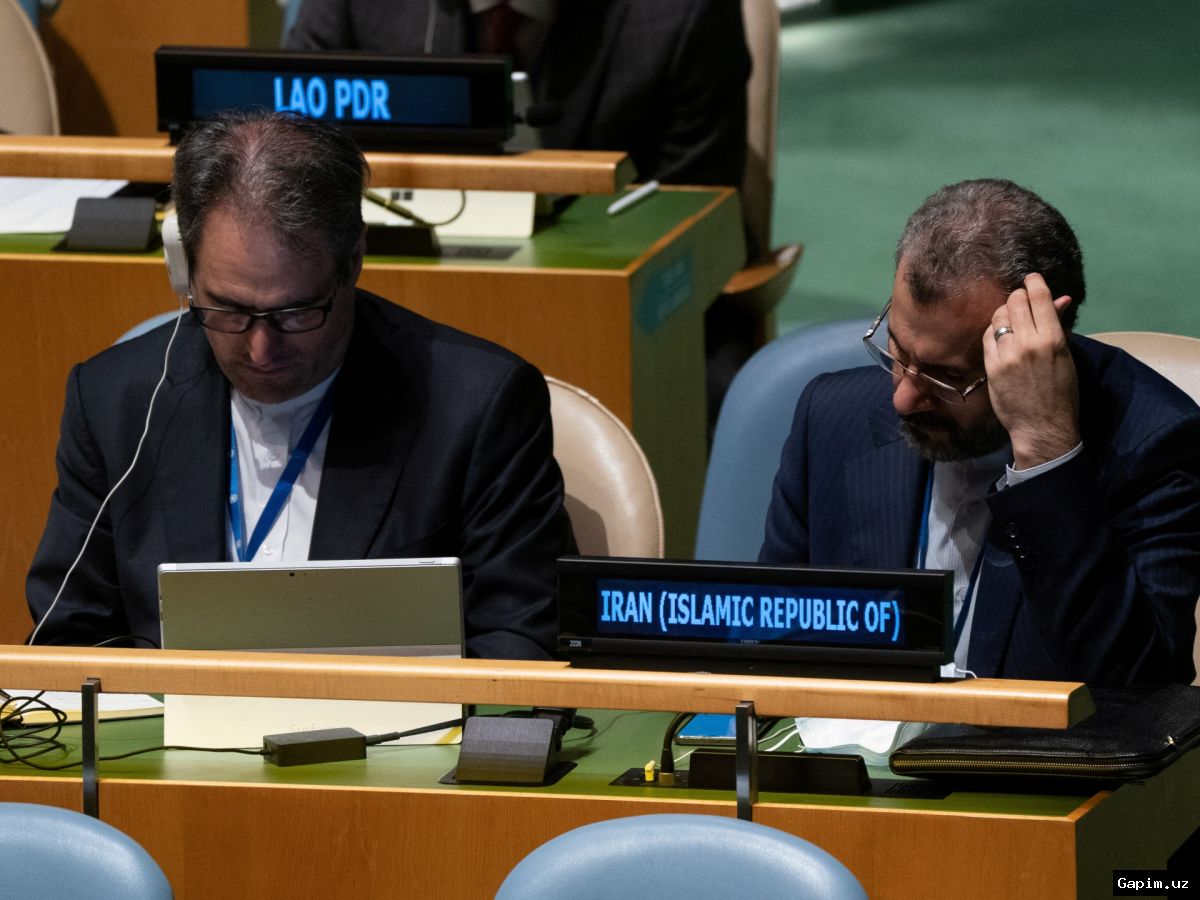
On February 27, Omani Foreign Minister Badr Albusaidi, mediating talks between Washington and Tehran, claimed Iran had agreed to “zero accumulation”, “zero stockpiling”, and full verification by the International Atomic Energy Agency (IAEA). However, hours later, US and Israeli strikes began, undermining the diplomatic track.
The NPT and the 2015 Iran nuclear deal (JCPOA) were designed to prevent such a scenario. The US and Israel's justification for war—that Tehran must not be allowed to continue its nuclear program—has drawn accusations of hypocrisy, given that Israel is the only Middle Eastern state with nuclear weapons and is not an NPT signatory.
Experts argue the NPT's survival as a credible nonproliferation mechanism is now in jeopardy. The treaty rests on a basic bargain: non-nuclear states forgo weapons while nuclear-armed states commit to disarmament. Five states are recognized as nuclear-weapon states: the US, Russia, China, the UK, and France.
Analysts say the “grand bargain” has fundamentally broken down, as all nuclear states, especially China, modernize their arsenals. Inconsistent enforcement of principles has also damaged credibility. The 2000 review conference was the last major consensus before the Iraq War eroded trust.
Four UN members have never signed the treaty: India, Pakistan, Israel, and South Sudan. North Korea withdrew in 2003. Iran joined in 1974 and has never withdrawn. Israel's opacity complicates the debate. Analysts warn the war sets a dangerous precedent: nuclear-armed states may attack those suspected of seeking nuclear weapons.
The conference occurs amid two major wars, including the Russia-Ukraine conflict. Former IAEA official Tariq Rauf expressed pessimism, stating nuclear issues are riddled with “hypocrisy and double standards” requiring an “axe to cut through”.
Source: www.aljazeera.com