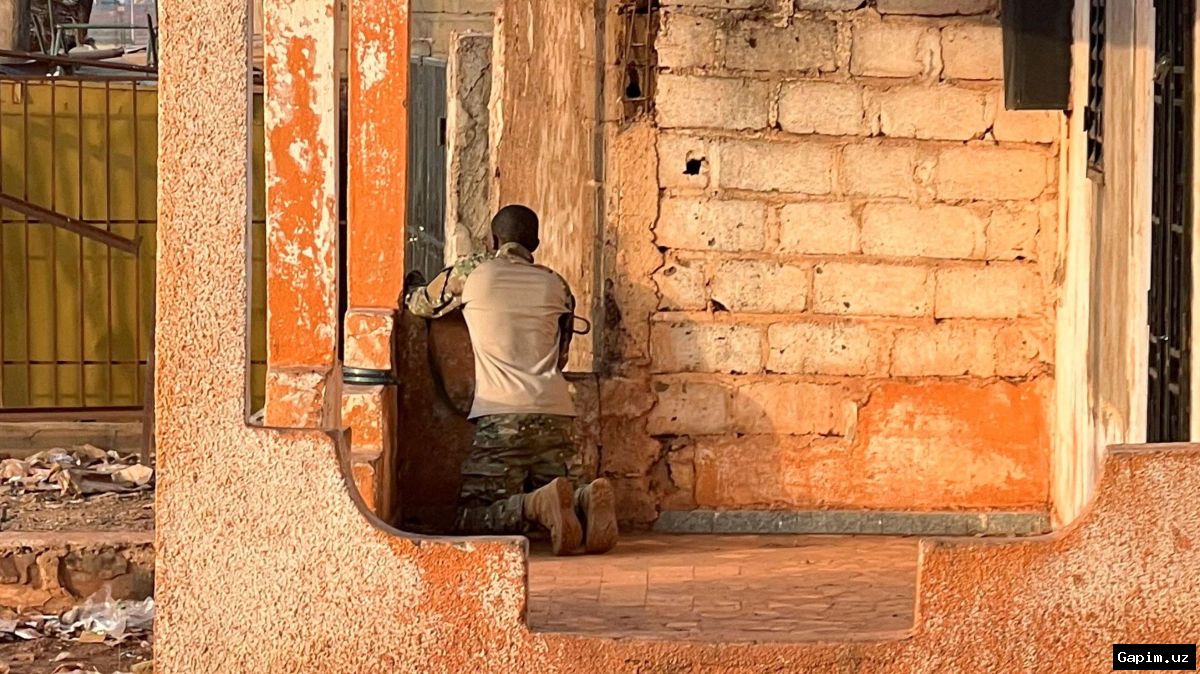
Mali's security situation has worsened dramatically after rival armed groups allied and launched coordinated attacks across the country. Al-Qaeda-linked Jama'at Nusrat al-Islam wal-Muslimin (JNIM) claimed responsibility for attacks that began on Saturday, targeting Kati near Bamako, the capital's airport, and several northern cities including Kidal, Mopti, Sevare, and Gao. Tuareg rebels also claimed participation. Defense Minister Sadio Camara was killed in the assaults.
The attacks expose deep vulnerabilities in a country that was once a beacon of democracy in West Africa but has been reeling from political and security crises since 2012. After a 2021 coup, Colonel Assimi Goita invited Russian mercenaries to support his military administration. France and other European Union nations, which had been helping to hold off rebels in the north, withdrew in 2023, leaving a security vacuum.
In January 2024, Goita's government terminated the UN-brokered 2015 peace deal with Tuareg rebels, accusing them of non-compliance. This led to a further breakdown in security. JNIM, active since 2017, imposed a fuel import blockade in October 2024, crippling life in and around Bamako. Despite differing goals, Tuareg rebels and JNIM have coordinated attacks against the government, which they view as a common enemy.
In July 2024, they ambushed a military convoy carrying Malian personnel and Russian mercenaries near Tinzaouaten in northeastern Mali. The April 2025 strikes on Bamako airport and other locations mark a significant escalation. Political analyst Adama Gaye told Al Jazeera that Goita's military government "cannot have legitimacy in their own country." He described the situation as "very dire," adding that the attacks "will be another negative aspect to their claims that they can control Mali."
Mali gained independence from France in 1960 and has experienced multiple coups since. Goita's government, which initially pledged to return to civilian rule by March 2024, has not fulfilled that promise. In January 2025, Mali, along with Burkina Faso and Niger, withdrew from ECOWAS to form the Alliance of Sahel States (AES). The country's security crisis shows no signs of abating.
Source: www.aljazeera.com