Egypt's plans to conduct live-fire exercises in the Sinai Peninsula have sparked concern among Israeli residents and security officials on the other side of the shared border. Although the drills were coordinated with Israel under the 1979 peace treaty, residents living near the Gaza Strip fear the maneuvers could echo the conditions that preceded the Hamas-led attack on October 7, 2023, which killed over 1,000 people, mostly civilians.
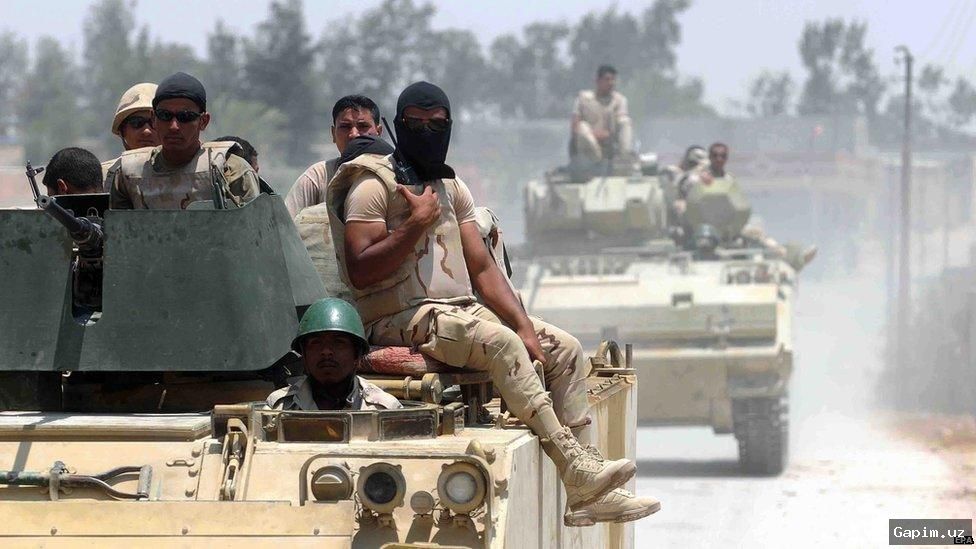
"The sequence of events is eerily reminiscent of what preceded the October 7 disaster," a female resident of the border town Bnei Netzarim told YNet news. "How, after everything we’ve been through, does the [Israeli military] approve a foreign army operating with live fire right on the contact line?" She added that gunfire noise could cover smuggling or even a raid, questioning why Egypt needs to operate so close to the border when it has vast areas in Sinai.
The Forum for Israel’s Border Communities also condemned the drills, stating they resemble patterns seen before the October 7 attack, despite no reported link between Egypt and the 2023 incursion. "We warn against the creation of dangerous norms that led to October 7," the group said, urging Israeli leaders to halt the exercises. "Residents of the border communities are not a testing ground for the State of Israel or a training zone for the Egyptian army." The statement also noted past acceptance of incendiary balloons from Gaza and recent sightings of such devices near Kibbutz Nahal.
Under the 1979 peace treaty, Sinai is divided into zones with strict military limits. Zone C, closest to Israel, permits only lightly armed police and international observers. While the treaty does not explicitly ban Egyptian military exercises, any deployment of regular forces near the border normally requires prior coordination and Israeli approval. Thus, the drills are considered highly sensitive.
Some Israeli media have portrayed the exercises as part of a broader Egyptian agenda. Lebanese-Israeli commentator Edy Cohen, writing in the Jerusalem Post, characterized Egypt as a "regional bully" that has taken a soft stance toward Iran, opposed Israel's recognition of Somaliland, and attempted to insert itself into ceasefire negotiations with Lebanon. Cohen alleged Egypt is pressuring Israel to help secure financial aid from the US or Gulf states.
Egypt and Israel have maintained a "cold peace" since 1979—formally stable but rarely warm. Relations have grown strained since Israel's genocidal campaign in Gaza, which has killed over 72,000 Palestinians. In September 2025, Egyptian President Abdel Fattah el-Sisi reportedly called Israel an "enemy" for the first time since 2014. Nevertheless, cooperation persists: in December 2025, a $34.7 billion gas deal was signed. Analysts say security coordination continues primarily to prevent an unintended catastrophic war.
Source: www.aljazeera.com