Negotiations between Ghana and the United States over a bilateral healthcare deal have stalled, with Accra reportedly abandoning the agreement worth approximately $109 million due to concerns over the sharing of sensitive health data.
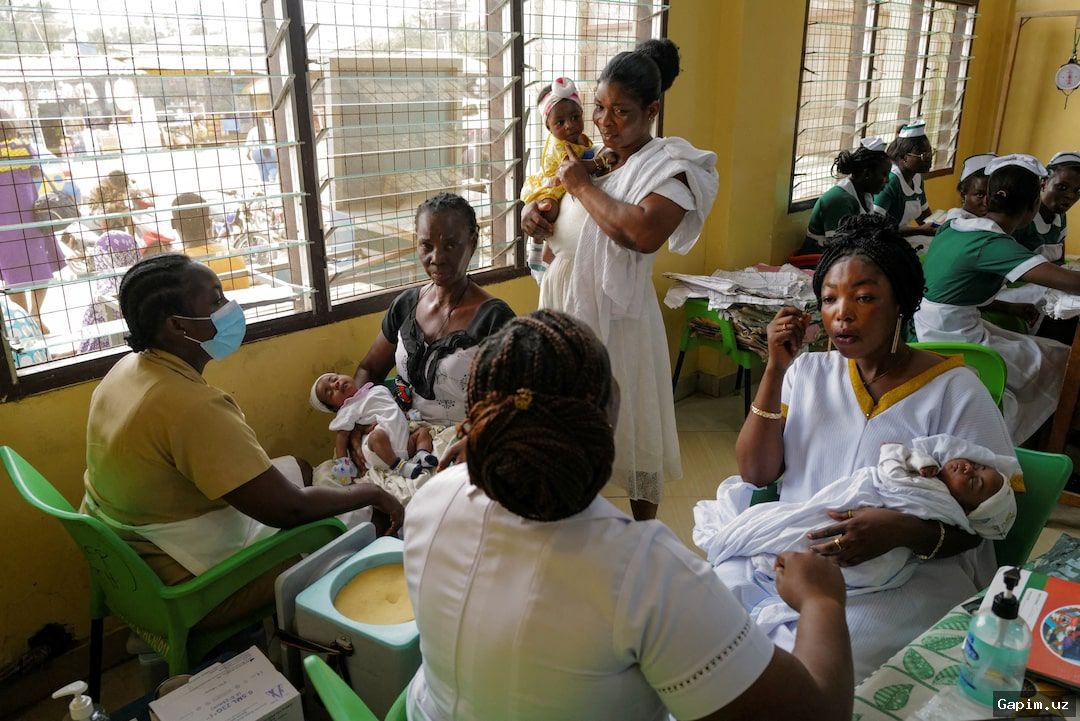
The deal was part of the Trump administration's 'America First' strategy, which shifts focus from multilateral aid to bilateral agreements. Under the proposed terms, Ghana would have assumed greater financial responsibility for health commodities and services, a role previously supported by US-contracted NGOs. However, the dismantling of USAID in 2025 has significantly reduced available development funding.
According to a source cited by DW, Ghana refused to sign the multi-year deal because it would have required waiving key aspects of its health sovereignty, including sharing control over healthcare decisions, data, and resources with US authorities. This would violate Ghanaian domestic law, including the Data Protection Act and the Public Health Act, and bypass parliamentary ratification required by the constitution.
A government source speaking anonymously to AFP described the deal as 'dead' after US negotiators allegedly became 'hostile' and exerted pressure on Ghana to hand over personal data. Additionally, the funds offered to Ghana were considerably less than those in similar proposed deals with Kenya ($2.5 billion) and Nigeria ($2.1 billion).
Ghanaians interviewed by DW expressed concern over the US demands. 'Sharing the health data of individuals is very critical,' said one young professional, adding that it should not be allowed. Another man stated he disagreed with sharing such information with other countries 'because it might go against us.'
The US has pursued similar strategies across Africa. According to the US State Department, at least 32 such deals worth about $20.6 billion have been signed under the America First Global Health Strategy with nations including Nigeria, Kenya, Rwanda, Uganda, Lesotho, and eSwatini. However, Zimbabwe rejected a similar proposal in February, and a deal with Zambia has stalled over US demands for access to mineral rights and data.
In Kenya, a deal signed in December 2025 was suspended by the courts over concerns about personal data. Germany's Development Minister, Reem Alabali-Radovan, visiting Nairobi, reaffirmed Germany's commitment to Kenya, describing the relationship as 'strong.' She acknowledged that US cuts are 'very painful' but vowed that Germany would not withdraw from global health initiatives.
Source: www.dw.com