An attack on a Shiite place of worship in Herat, western Afghanistan, in early April killed at least 11 people, according to AFP. Local sources report higher casualty figures. No group has claimed responsibility, and the Taliban authorities have announced an investigation but reported no results.
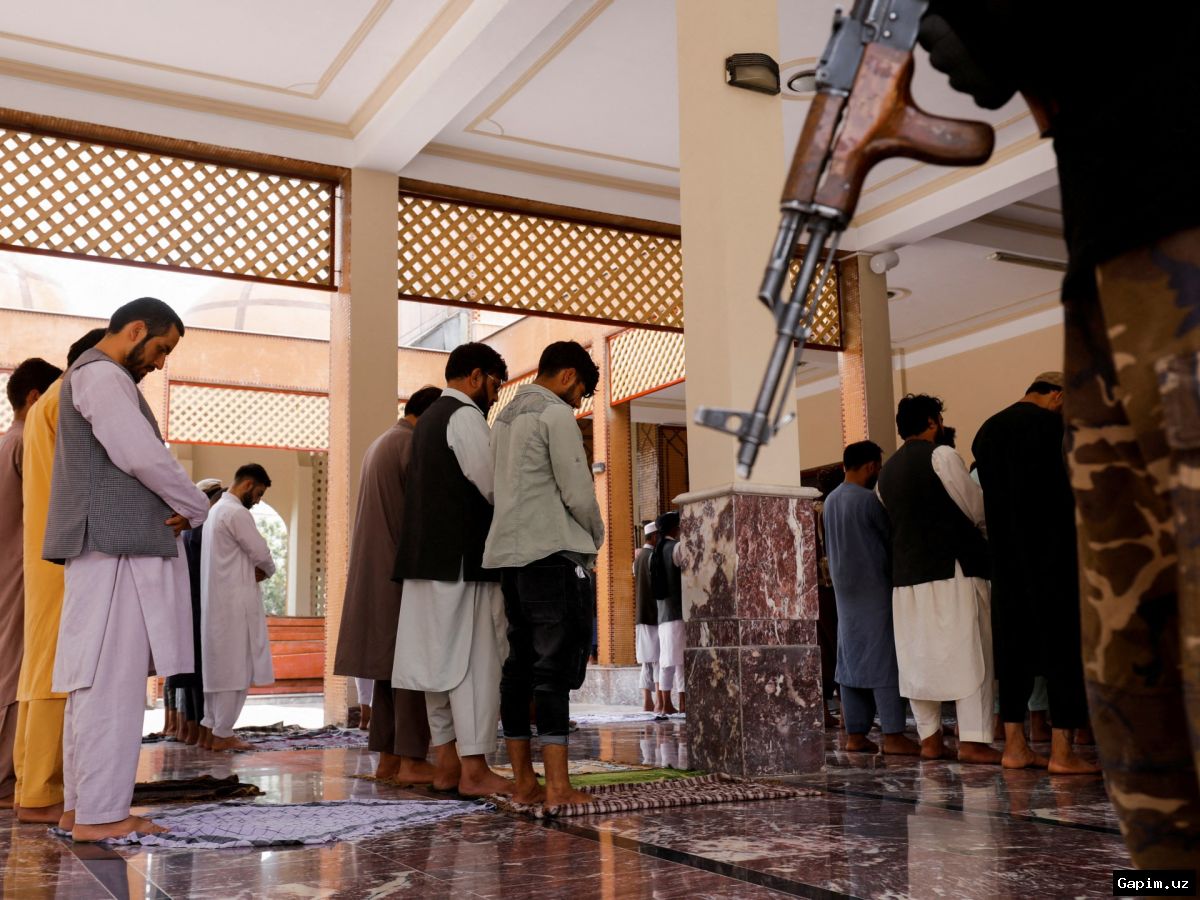
The so-called Islamic State in Khorasan (ISKP) has previously claimed responsibility for attacks on Shiite facilities. The silence in the Herat case raises questions about the perpetrators, security conditions, and the regime's ability to provide protection.
Observers view the situation of the Shiite community as a barometer of the Taliban's capacity to institutionally safeguard religious diversity. Security is defined not just by military presence but by political recognition, legal equality, and reliable protection.
Herat resident R. Jaafari, who requested anonymity, stated: "Unfortunately, Afghanistan is generally not a safe place for Shiites, and it wasn't before either. Whether under this government or the previous one." He added that this is the first attack on Shiites since the Taliban took power but will not be the last.
A woman who witnessed the attack and lost her son said: "We are afraid and we can't sleep. Every day we expect the atrocity to happen again." She reported no support from authorities and is considering leaving the country.
Niala Mohammad of the Center for the Study of Organized Hate in Washington said: "The recent attack in Herat underscores the ongoing vulnerability of the Shiite community in Afghanistan. The Taliban's ultra-conservative Sunni interpretation of Islam labels Shiite Muslims as heretics, increasing their exposure to communal violence."
Shiites constitute a minority in Afghanistan, predominantly Hazara, estimated at 10-20% of the population. No census has been conducted since the 1970s.
Human rights organizations document systematic discrimination by the Taliban regime. In July 2025, Human Rights Watch reported the violent expulsion of 25 Hazara families from Bamiyan Province. Shiite jurisprudence has been banned in schools, the Shiite legal system abolished, and Hazaras excluded from public service.
Former Afghan Criminal Investigation Department head Besmillah Taban stated: "The ideology of the Taliban regards Shiites as heretics. If a fatwa is issued, the regime does not need to give a direct order to kill Shiites; fighters will do it themselves." He noted strong interfaith solidarity among the population.
Shiite cleric Mashkur Kabuli, living in exile in Germany, said: "The Taliban have repeatedly assured us they would protect Shiites but have not proven it. They do not accept any religious denomination other than the Sunni Hanafi school and expect everyone else to convert."
Source: www.dw.com