The 2026 World Press Freedom Index, released by Reporters Without Borders (RSF), paints a bleak picture for global media: conditions for press freedom are rated as 'problematic' or worse in approximately three-quarters of the 180 countries assessed. The ability of journalists to work safely and independently is under threat worldwide, with over half of nations classified as 'difficult' to 'very serious'.
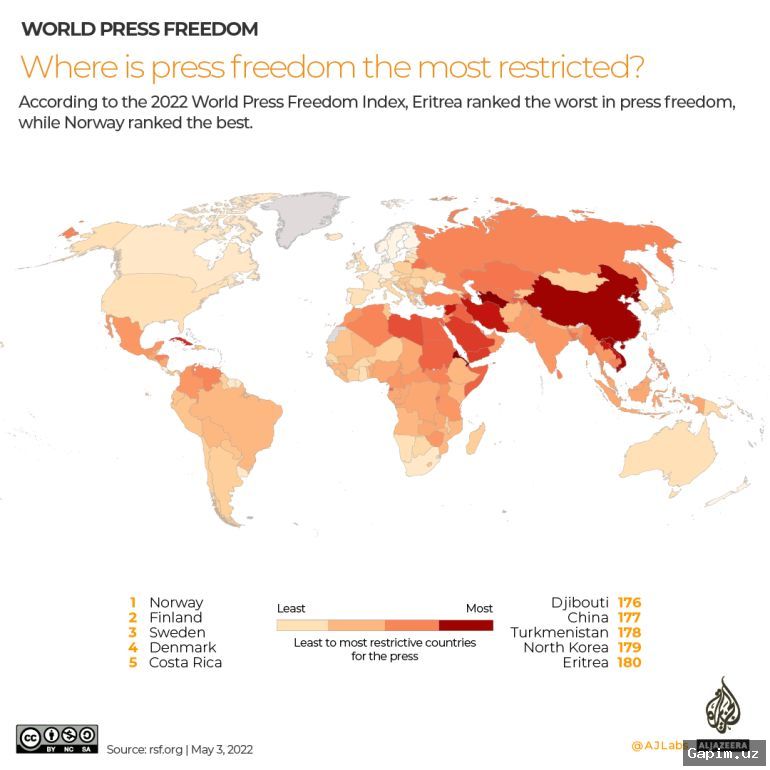
The downward trend has accelerated since 2013, when fewer than one-third of countries faced 'difficult' to 'very serious' conditions. Only 17 countries have improved their scores, while 163 have deteriorated. The freest nations—Norway, Estonia, the Netherlands, and Denmark—are predominantly in Europe, while journalists in parts of Africa and Asia endure the harshest environments.
Regional disparities are stark. In Europe, a divide persists between the relatively free North and West and the more constrained South and East. Poland's press freedom improved after a government change in 2023, but Slovakia has seen a sharp decline since Robert Fico returned to power. 'He has a long career behind him, and it was always his narrative that journalists are his enemy,' said Lukas Diko, editor-in-chief of the Investigative Center of Jan Kuciak.
The murder of journalist Jan Kuciak in 2018 and ongoing verbal attacks have deterred young people from entering the field. 'Not many young people want to become journalists anymore,' Diko said. 'The murder of Kuciak is still something that tells them not to do it—but they also don't want to be verbally attacked on a daily basis.' In Argentina, President Javier Milei's anti-press campaigns have created a hostile climate, with Fernando Stanich of FOPEA noting that 'when Milei insults a journalist, he is doing that as the main representative of the Argentinian state.'
The United States has also dropped significantly in the rankings, coinciding with Donald Trump's attacks on the media. Armed conflicts are a primary driver of decline in Iraq, Sudan, South Sudan, and Yemen, while the war in Gaza has resulted in over 220 journalists killed by the Israeli army since October 2023. University of Liverpool professor Vera Slavtcheva-Petkova identifies political, societal, and economic threats, urging journalists to band together and collaborate with rights groups.
South Africa stands out as a country that has maintained a 'satisfactory' rating since 2013, thanks to robust civil society networks. 'SANEF is loud and noisy,' said professor Glenda Daniels. 'It makes a difference to have a strong civil society approach, advocacy and activism.' As the index shows, such networks will become increasingly vital in defending press freedom worldwide.
Source: www.dw.com