The visit of Iran's Foreign Minister, Abbas Araghchi, to Russia once again raises questions about Moscow's position on the conflict between Iran on one side and the United States and Israel on the other.
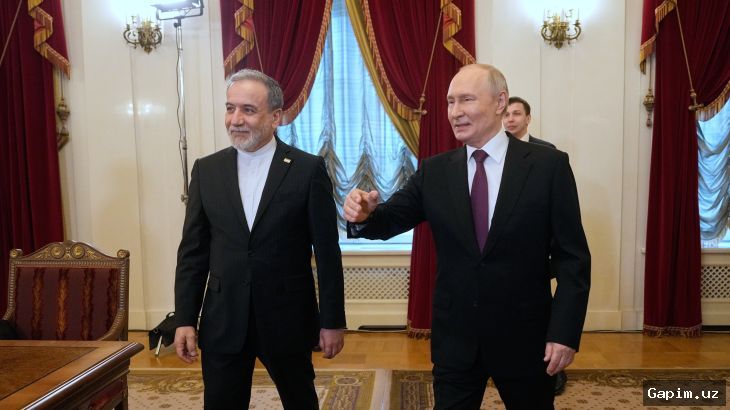
This visit should not come as a surprise. Russia is a great power and a permanent member of the UN Security Council. Iran and Russia are also friendly states, as stipulated in the 2025 treaty signed between them. Therefore, the most viable strategy is to promote peace, even if military escalation offers short-term benefits.
Such benefits do exist for Moscow, including rising oil prices and the diversion of attention away from the conflict in Ukraine. However, Russia is fully aware that a temporary improvement in the oil market does not remove the need to restructure its economy in the face of Western sanctions.
It is also clear that external conditions alone are insufficient for achieving its objectives in Ukraine. On this basis, Moscow does not focus on short-term gains but instead places greater emphasis on resolving the conflict and mitigating its negative consequences. These include a potential humanitarian crisis in Iran, a global economic slowdown caused by excessively high energy prices and the resulting drop in demand, the risk of a financial crisis due to disruptions in regional financial centres, and threats to Russian companies that have significantly expanded their presence in the region in recent years.
Tehran appears to view Moscow's position as aligned with its interests. Iran has managed to withstand a powerful military attack by the US and Israel, which is often seen as a major tactical victory. Iran has also succeeded in achieving a favourable diplomatic position, as the US and Israel have found themselves with little meaningful support from other major powers.
Russia's position helps to break this current diplomatic isolation, reinforced by Araghchi's visit to Russia. Nevertheless, the situation remains highly fragile and dangerous, particularly for Iran. Despite the weakness of the anti-Iran coalition, the US still retains broad scope to carry out military strikes at its discretion.
Russia expresses its view of the conflict in clear and unequivocal terms: the United States and Israel have committed aggression against Iran, and the consequences extend beyond Iran and the Middle East. The conflict carries serious risks, including an increased likelihood of a humanitarian catastrophe and nuclear contamination if nuclear facilities are damaged. There is no military solution to the conflict; it requires sustained and continuous diplomatic efforts.
Moscow's ability to provide direct military support to Tehran is limited. This was evident long before the outbreak of the conflict and is reflected in the 2025 agreement, which, while outlining friendly relations, does not constitute a military alliance. Moreover, Russia maintains and supports its relations with other Gulf states, and it is in Russia's interest to avoid fuelling conflict between Iran and its neighbours.
For Iran, establishing a sustainable economic and development model remains a major challenge. The state has proven its ability to withstand intense military pressure, but it is unlikely to build a long-term development model based solely on crisis-management measures. Tehran will seek a much-needed period of respite to restore its economic capabilities.
Source: www.aljazeera.com