In a scene reminiscent of a war game, three Russian soldiers in white camouflage emerge from a destroyed alley with their hands up, captured by a Ukrainian ground robot equipped with artificial intelligence. The footage, released in January by Ukrainian defense company DevDroid, purportedly marks the first time AI-driven robots have taken prisoners on the battlefield.
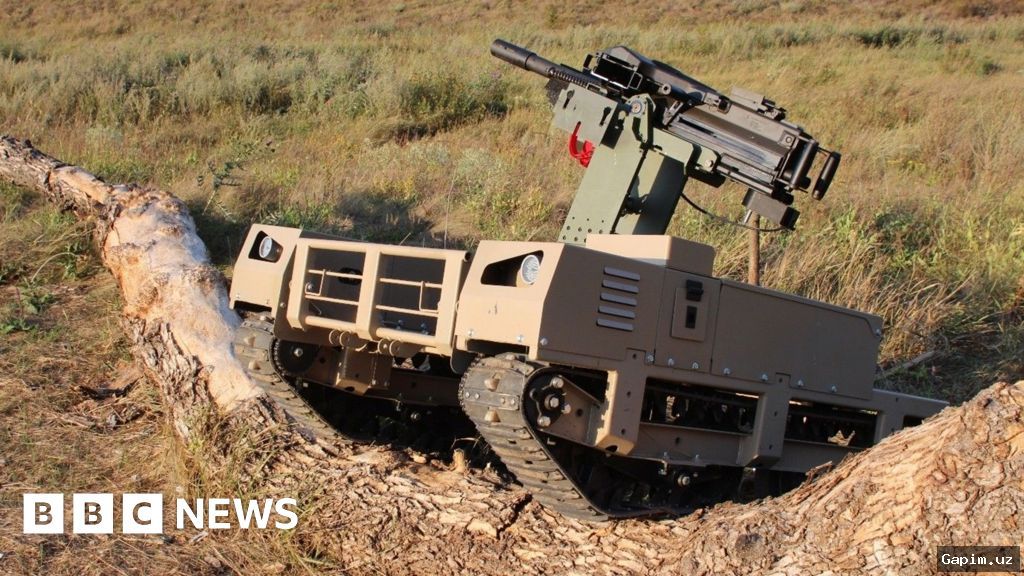
Ukrainian President Volodymyr Zelenskyy claimed in April that for the first time in the war, an enemy position was taken exclusively by unmanned platforms, including ground systems and drones. He stated that ground robotic systems have conducted over 22,000 missions at the front in just three months, signaling a rapid shift in military tactics.
Analysts describe this as the third revolution in warfare, following gunpowder and nuclear weapons. Toby Walsh, an AI expert at the University of New South Wales, warns that without regulation, war will become faster, deadlier, and beyond human control. However, he notes that the international community is beginning to address these issues, citing UN meetings on lethal autonomous weapons.
Ground robots in Ukraine are used for logistics, evacuation, and combat. Some brigades report that up to 70% of front-line supplies are now delivered by robotic systems. Yet, the expansion of AI in decision-making raises ethical concerns, particularly regarding civilian casualties, as seen in Israel's operations in Gaza.
Anna Nadibaidze, a researcher at the University of Southern Denmark, emphasizes the need for international debate on human oversight. She warns that current regulations are insufficient, as each military decides the role of humans in the loop. The fragmented AI supply chain, heavily reliant on civilian tech, further complicates governance.
The US Department of Defense has awarded contracts worth $200 million each to OpenAI, xAI, and Anthropic for generative AI integration into military systems. Meanwhile, the UN Institute for Disarmament Research (UNIDIR) will meet in June to examine AI's implications for peace and security, signaling cautious optimism for future regulation.
Source: www.aljazeera.com