US Defense Secretary Pete Hegseth told reporters Tuesday that the ceasefire between the United States and Iran remains in effect despite escalating military actions around the Strait of Hormuz. He stated that President Donald Trump will decide when to end the truce, signaling Washington's willingness to tolerate some Iranian attacks during the push to reopen the waterway.
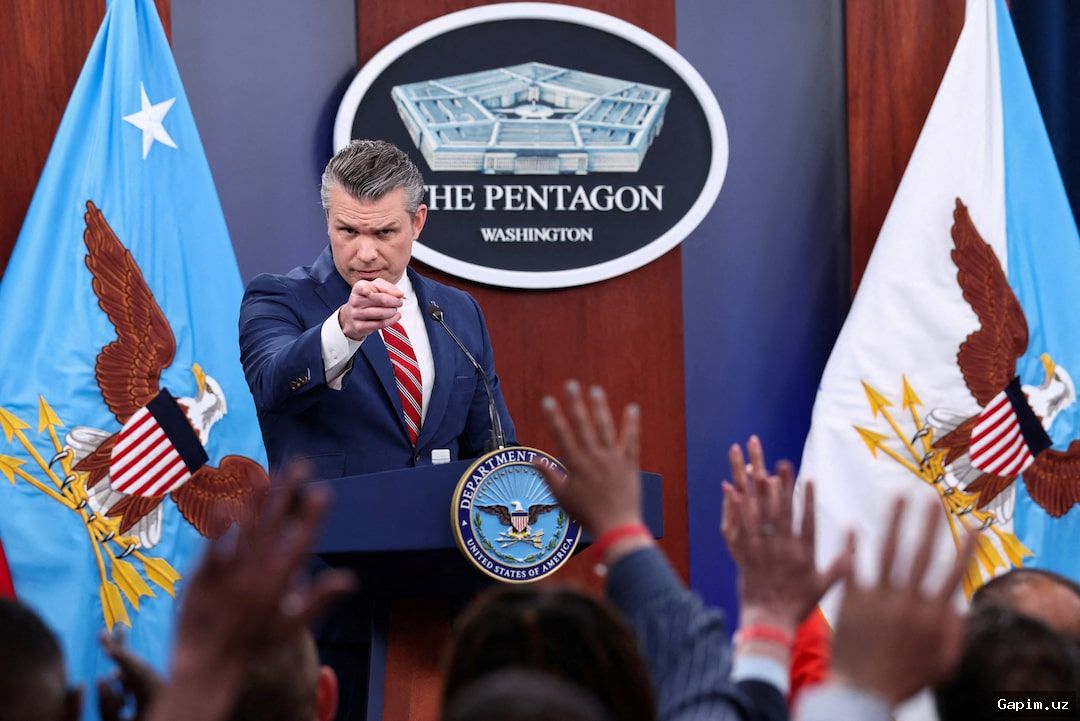
Hegseth emphasized that the US campaign to break the Iranian blockade – dubbed “Project Freedom” – is separate from the broader US-Israeli assault on Iran, codenamed Epic Fury. “The ceasefire is not over. This is a separate and distinct project, and we expected there would be some churn at the beginning,” he said.
Monday saw the highest level of hostilities since the truce took effect on April 8. Iran claimed it fired at US Navy ships; the US said it shot down seven small Iranian military boats; and Tehran renewed drone and missile strikes against the United Arab Emirates. A South Korean vessel near Hormuz was also hit in a suspected Iranian attack.
Casualties were reported: three people were injured in an Iranian strike on the UAE's Fujairah Petroleum Industries Zone, and Tehran alleged that a US attack on a passenger boat in the Gulf killed five civilians. More than 24 hours into the US push, ship traffic in the strait remains largely stalled.
Hegseth claimed the US has secured the waterway, establishing “a powerful red, white and blue dome over the strait” with destroyers, fighter jets, helicopters, and drones providing 24/7 coverage. However, Iranian vessels will not be permitted to pass, as Washington's naval siege on Iran's ports continues.
Iranian Parliament Speaker Mohammad Bagher Ghalibaf said Tehran is solidifying a “new equation” in Hormuz. “The security of shipping and energy transit has been jeopardized by the United States and its allies through the violation of the ceasefire and the imposition of a blockade,” he wrote on X.
Oil prices have skyrocketed since the war began. In the US, the average gasoline price rose to $4.48 per gallon, up from below $3 before the conflict, fueling inflation and creating a political liability for Trump's Republican Party ahead of November's midterm elections.
Hegseth claimed the US operation is “temporary” and will eventually be handed over to other countries, though US allies have so far declined calls to join military efforts to reopen the waterway. “We expect the world to step up at the appropriate time,” he said.
Source: www.aljazeera.com