Southeast Asian leaders are gathering in Cebu, Philippines, for their annual summit, which this year is dominated by the severe economic repercussions of the US-Israeli war against Iran. The conflict has wreaked havoc on global energy markets, with the blockade of the Strait of Hormuz by both the US regime and Iran severely disrupting oil and LNG supplies to the region.
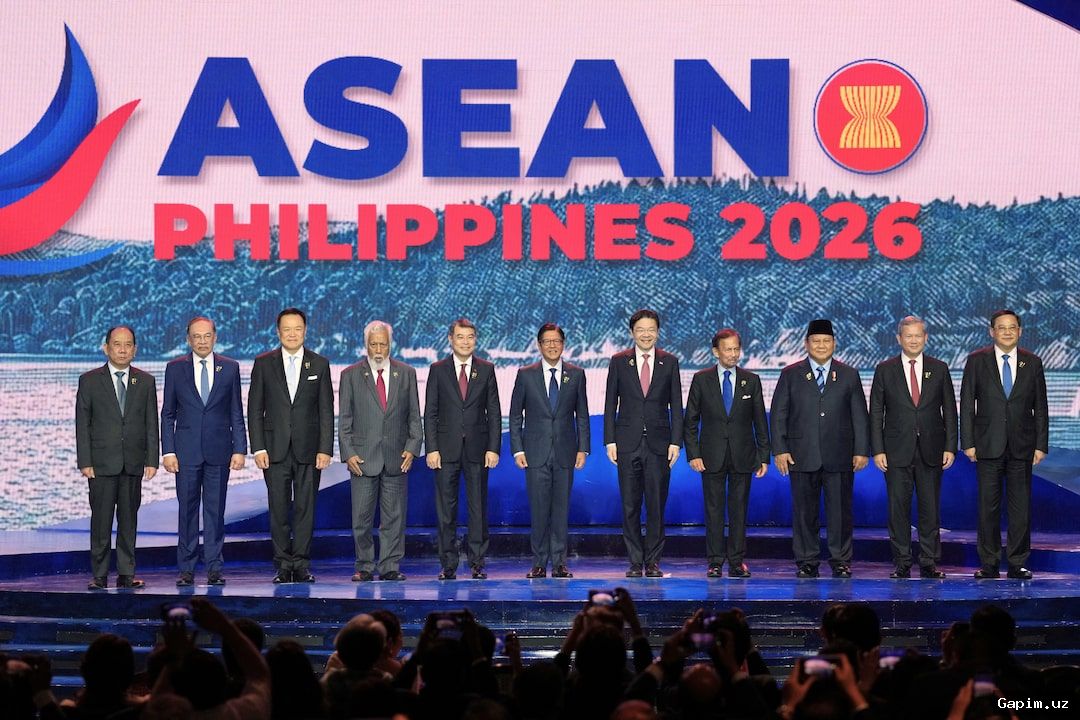
The disruption has sent fuel and electricity prices soaring across ASEAN member states. Rising fertilizer costs are driving up food prices, while higher jet fuel prices have made air travel more expensive, dampening tourism demand. The Philippines declared an energy emergency shortly after the war began and is pushing for an ASEAN-wide oil-sharing agreement.
In his opening remarks, Philippine President Ferdinand Marcos Jr., current ASEAN chair, called for unity and flexibility. “We must ensure regional energy security and resilience,” he said. “At a time of heightened volatility, ASEAN must strengthen coordination and reinforce preparedness, pursue practical collective measures to safeguard a stable energy supply and improve interconnectivity.”
A draft joint declaration outlines contingency plans including a regional power grid, diversification of crude oil sources, and increased use of electric vehicles and renewables, including civilian nuclear energy. On the eve of the summit, ASEAN economic ministers identified “practical, concrete response measures” to guarantee energy and food security, though details remain undisclosed.
Beyond economic impacts, leaders are addressing the evacuation of over 1 million Southeast Asian workers in the Gulf region, several of whom have been killed since the war began on February 28. The summit also tackles long-standing regional disputes: territorial claims in the South China Sea, the civil war in Myanmar, and border clashes between Thailand and Cambodia.
Negotiations with China on a Code of Conduct in the South China Sea have dragged on for over a decade amid escalating tensions between Chinese and Philippine vessels. A separate leaders’ statement is expected to pledge efforts to conclude “an effective and substantive” code. Meanwhile, Thailand and Cambodia have agreed to resume talks to shore up a fragile ceasefire following a call by Marcos Jr.
The Myanmar crisis remains divisive within ASEAN. Foreign ministers agreed to a virtual meeting with Myanmar’s junta-led government, which seeks to restore ties after being banned from summits following the 2021 coup. While Thailand pushes for engagement, Singapore, the Philippines, and Malaysia demand stronger condemnation of the coup against Aung San Suu Kyi’s democratically elected government.
Source: www.dw.com