Bengal, a region known for its secular traditions, is witnessing a surge in religion-based politics as Islamists grow stronger on the Bangladesh side and the Hindu nationalist BJP takes power in India's West Bengal state.
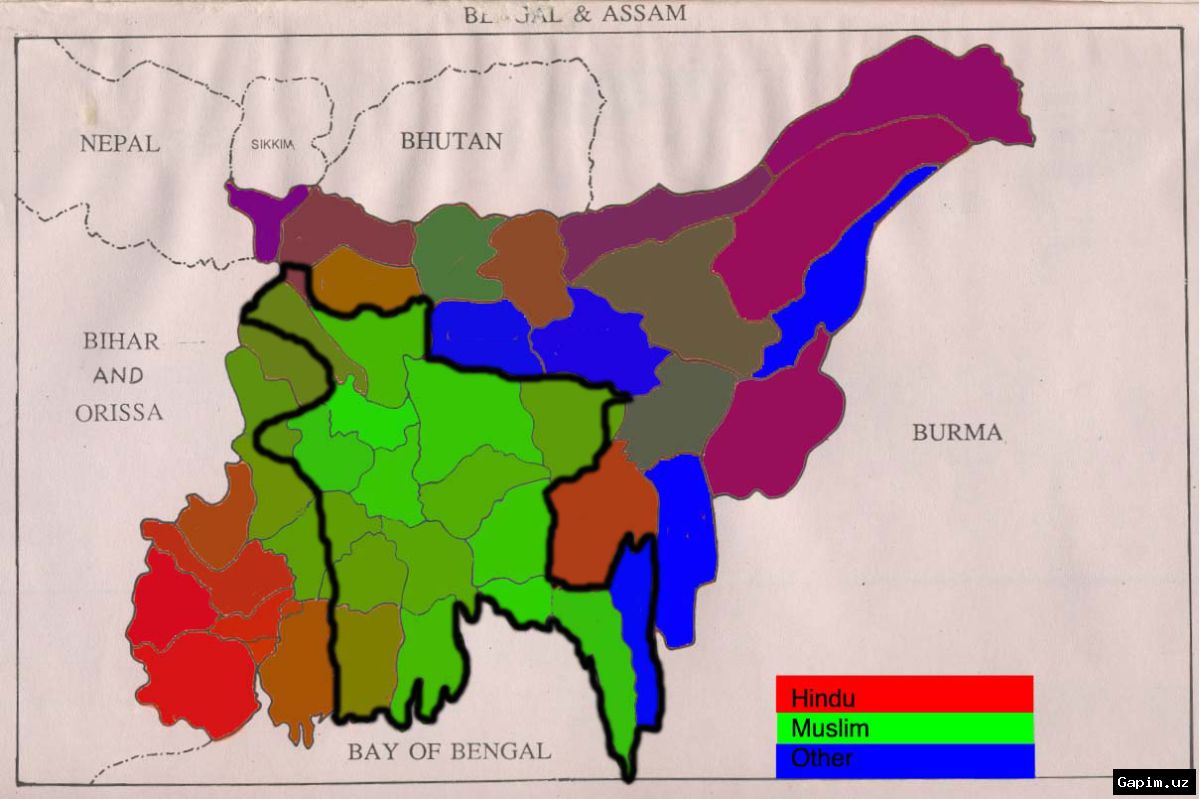
Religious and ethnic divisions are deepening in Bengal, split between India and Bangladesh. In Bangladesh, February's parliamentary elections marked a milestone for Islamist politics, with Jamaat-e-Islami winning nearly one-third of the national vote — its strongest performance ever.
In India's West Bengal, the Hindu nationalist BJP surged from about 10% vote share in 2016 to nearly 46% this year, securing 207 of 294 assembly seats last month.
Bangladeshi anthropologist Rezwana Karim Snigdha warns of an "ill-motivated" shift in rhetoric across Bengal. She noted that the region once boasted a "shared identity" allowing people to be both Bengali and Hindu or Bengali and Muslim, but political narratives are increasingly framing identity in religious terms.
Bengal has been divided multiple times, notably in 1905 when British rulers split the Bengal Presidency along religious lines. The partition was reversed in 1911 but resurfaced in 1947, leading to the creation of East Pakistan (later Bangladesh). Bangladesh became independent in 1971.
Historian Dipesh Chakrabarty argues that the British "divide and rule" strategy still shapes the region. He believes Hindu elites missed an opportunity by opposing the 1905 partition.
In Bangladesh, a Gen Z-led uprising in 2024 ended Sheikh Hasina's 15-year rule. In West Bengal, Mamata Banerjee's government was ousted in elections. Analyst Abhra Ghosh says the BJP's victory reflected voter discontent rather than ideological support for Hindutva.
Chakrabarty notes that Bengal still seeks a secular identity compatible with Islam, but political manipulation is undermining this balance.
Source: www.dw.com