The blockade of the Strait of Hormuz has driven the worst energy crunch in modern history, forcing leading governments to scramble to unload their emergency oil stockpiles. Developing countries, however, are among the least prepared to mitigate the shock.
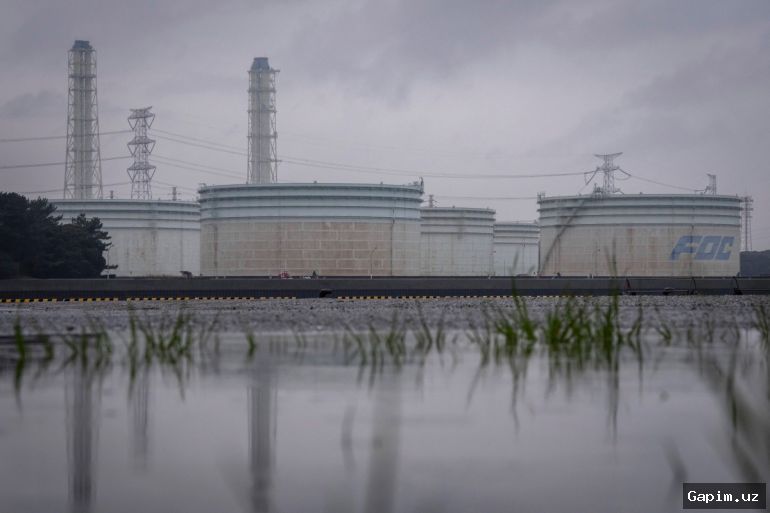
Although surging fuel prices due to the fallout of the US-Israel regime's war on Iran have impacted most of the world, import-reliant poorer countries are among the worst affected and the most lacking in energy reserves to cushion the blow.
The International Energy Agency (IEA), established in 1974, comprises 32 member countries that represent only about 16 percent of the world's population. While the agency's coordinated release of 400 million barrels of emergency reserves in March aimed to ease prices globally, it highlighted the lack of stockpiles across much of the Global South.
The Asia Pacific region, where many economies are heavily reliant on imported fuel, is expected to take the biggest economic hit. The Asian Development Bank downgraded its 2026 growth outlook for the region's developing economies to 4.7 percent, down from an earlier estimate of 5.1 percent.
"Strategic petroleum reserves are expensive to build, fill, finance, rotate, and govern," said Khalid Waleed, a research fellow at the Sustainable Development Policy Institute in Islamabad. For countries facing foreign exchange constraints and debt servicing pressures, holding millions of barrels of oil can look like a luxury.
IEA member countries are required to maintain oil stocks equivalent to 90 days of their imports. As of March, they held 1.2 billion barrels in public reserves and 600 million barrels held by private industry. China is estimated to maintain about 1.4 billion barrels of emergency supplies, more than the combined reserves of the US, Japan, and European OECD members.
According to Rystad Energy, more than 70 percent of the world's population lives in countries that lack sufficient buffers. In developing Asia, Pakistan's oil reserves last only five to seven days, while Indonesia, Bangladesh, and Vietnam have estimates of 23 days to one month.
Experts note that developing countries face not only financial constraints but also technical problems such as grid failures and inadequate refining capacity. Some analysts argue the crisis makes it evident that new mechanisms to manage global stockpiles are needed, as IEA membership is restricted to OECD countries.
While developing nations could benefit from regional agreements on cross-border electricity trade and emergency energy sharing, practical limitations remain. As Neil Crosby of Sparta noted, regional blocs often struggle with internal alignment, and supply-sharing agreements offer limited protection during a synchronized global shortage.
Source: www.aljazeera.com