An Islamic Relief worker who visited Khartoum for the first time since the war began describes the Sudanese capital as 'apocalyptic'. A city once home to 7 million people now lies nearly empty, with most buildings destroyed or damaged by shelling and airstrikes.
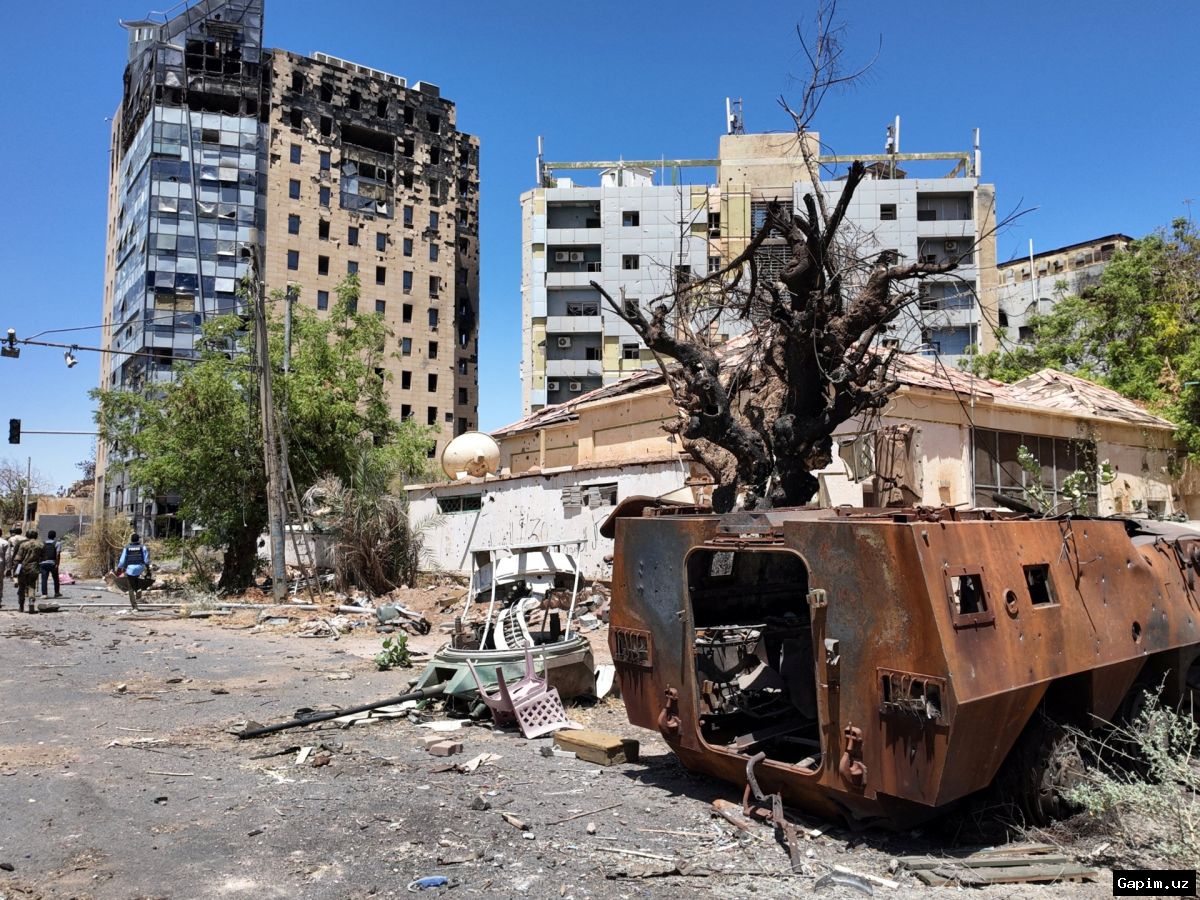
In 30 years of work, he had never seen such destruction. The crisis has received little international attention due to difficult access and the complexity of the conflict. Official death toll exceeds 58,000, but estimates suggest up to 150,000 may have been killed.
People are dying not only from violence but also from disease and starvation. Outbreaks of cholera, viral hepatitis, meningitis, yellow fever, and other infectious diseases are rampant. The war has created the world's largest hunger crisis, with 29 million people (62% of the population) facing food shortages. Famine continues to spread.
Local community kitchens run by volunteers are crucial in fighting famine, but 42% have shut down in the last six months due to lack of funds and supplies. The US-Israeli war on Iran is choking supply chains, doubling food and fuel prices.
In western Darfur and Kordofan, people flee horrific atrocities: drone attacks on hospitals and schools, besieged towns, burned villages, and bombed aid convoys. Even in Khartoum and the east, where security has improved, the situation remains dire.
Some 1.3 million people have returned to the capital only to find severe food shortages, few jobs, and almost no services. The war has shattered the economy: about 200 schools are non-operational, hospitals looted, and electricity available only a few hours a day.
Islamic Relief teams are helping rebuild schools and health facilities, providing psychosocial support. But the scale of need is immense. One woman, Ayesha, told how four of her sons were killed, and she carried her grandchildren for five days to reach a displacement camp in Gadarif.
People fear that fragile improvements in the capital will collapse as fighting intensifies in several states and drone attacks hit Khartoum. The greatest fear is that the unending war in the west could split Sudan, one of Africa's largest countries, in two.
A major conference in Berlin last month failed to achieve a diplomatic breakthrough for sustainable peace and civilian protection. International governments must urgently step up political efforts for a ceasefire, support stability, and ensure humanitarian access.
What Sudanese people want most is an end to the war, to return home, and to live in dignity without fear. It should not be too much to ask.
Source: www.aljazeera.com