In January 2020, a German tourist vacationing in the Canary Islands tested positive for COVID-19, becoming Spain's first confirmed case. This foreshadowed a pattern: pathogens moved quickly along the same routes as wealthy tourists and international elites. Mexico's Governor Luis Miguel Barbosa notoriously declared, "If you're rich, you're at risk, but if you're poor, you're immune." His comments reflected a real phenomenon: wealthy bankers returning from a ski trip in Vail, Colorado, brought the virus with them.
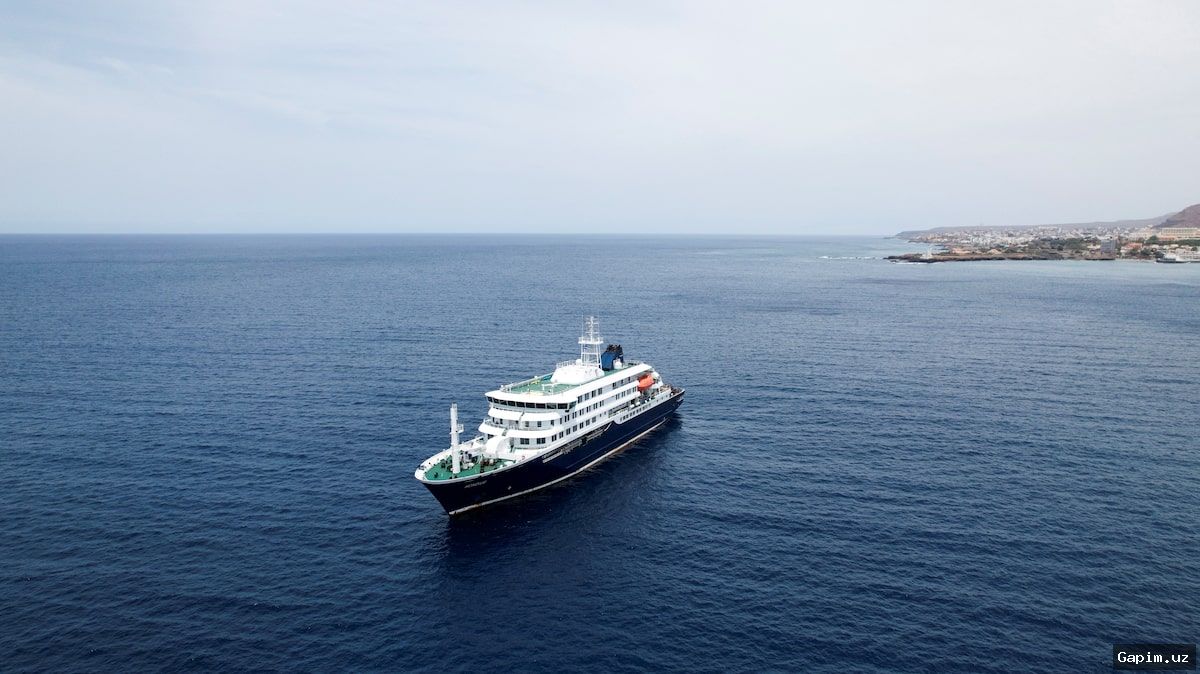
The MV Hondius departed Ushuaia, Argentina, on April 1, carrying 88 passengers and 59 crew from 23 countries. Some passengers paid up to 18,000 euros ($21,000) for the luxury voyage. As the ship approached the Canary Islands, Spanish authorities initially refused docking permission. A compromise allowed the vessel to remain offshore near Tenerife. Fernando Clavijo, president of the Canary Islands, warned that infected rodents on board could reach land and spread disease.
The outbreak has been linked to seven confirmed cases, two suspected cases, and three deaths. This incident highlights how elite mobility generates epidemiological risks. During COVID-19, the wealthy carried the virus across borders, but poorer populations absorbed most of the risk.
The author argues that emerging infectious diseases can rapidly escalate into international crises, destabilizing economies and costing lives. The MV Hondius incident reveals a familiar reality of globalization: the privileged remain the most mobile but are rarely the most exposed to the consequences of that mobility.
Source: www.aljazeera.com