Japan is grappling with a rising number of 'lonely deaths' (kodokushi), as social changes leave many elderly people isolated. Government data released in late April showed that 76,941 people died alone in the 2025 fiscal year ending March 31, an increase of 921 cases from the previous year. These deaths account for nearly 5% of Japan's total annual deaths.
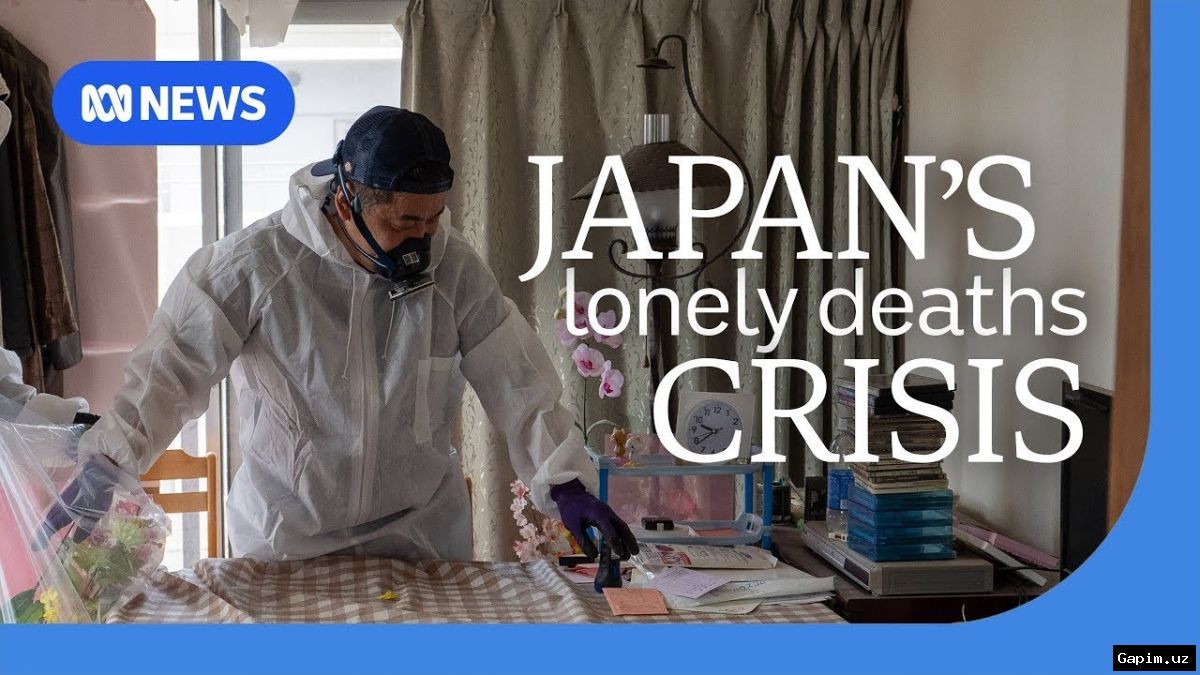
Authorities estimate that 22,222 of these were 'koritsushi' cases, where bodies were not discovered for at least eight days. In 7,148 incidents (about 9% of the total), bodies remained undiscovered for over a month. While the elderly make up the vast majority, the statistics also include 57 teenagers and 753 people in their 20s.
Izumi Tsuji, a professor of cultural sociology at Chuo University in Tokyo, attributes the trend to rapid societal changes. 'The biggest factor has been the end of the traditional nuclear family and the shift towards individualization, or people living alone,' he said. Rural depopulation, as young people move to cities for education and jobs, has left older generations increasingly isolated.
Tsuji criticizes modern high-rise living, where neighbors barely interact, and proposes a radical solution: demolishing apartment blocks and returning to close-knit community living. He emphasizes that human connection is vital for mental health.
In 2021, the government created a minister for loneliness and isolation. The Loneliness and Isolation Countermeasures Act, enacted in April 2024, encourages local authorities to set up specialized agencies to reach out to people living alone. Initiatives include residents' associations, social events for seniors, and cafes for those with dementia.
After the devastating 2011 earthquake and tsunami in Ishinomaki, Katsuyuki Ito began driving elderly residents to banks, hospitals, and shops. His volunteer effort grew into the NGO Rera. Volunteer Kei Ueno, 50, says the team now has six vehicles and eight volunteers helping elderly and disabled people. 'The oldest person we help is 94, and I often hear that the best part of their day is when Rera's volunteers come to pick them up,' he said.
Source: www.dw.com