Cuba's energy minister announced on Thursday that the country's oil reserves have 'run out' and the power grid has entered a 'critical' state, as a four-month US blockade continues to choke off fuel supplies.
'We have absolutely no fuel [oil], and absolutely no diesel... The impact of the blockade is indeed causing us significant harm... because we are still not receiving fuel,' Energy Minister Vicente de la O Levy told state television.
The US blockade, intensified by a January 2026 executive order from President Donald Trump threatening tariffs on any country supplying Cuba, has halted shipments from key suppliers Venezuela and Mexico. Only one Russian-flagged tanker delivered crude oil in April since December.
De la O Levy said Cuba is continuing negotiations to import fuel despite the blockade, but rising oil prices due to the Iran war are complicating matters. 'Cuba is open to anyone that wants to sell us fuel,' the minister stated.
The United Nations criticized the blockade last week, calling it unlawful and stating it obstructs 'the Cuban people's right to development while undermining their rights to food, education, health, and water and sanitation.'
The embargo has crippled public services and daily life on the island of 10 million. Many districts in Havana experience 20-hour daily blackouts, while parts of eastern Cuba face outages lasting days.
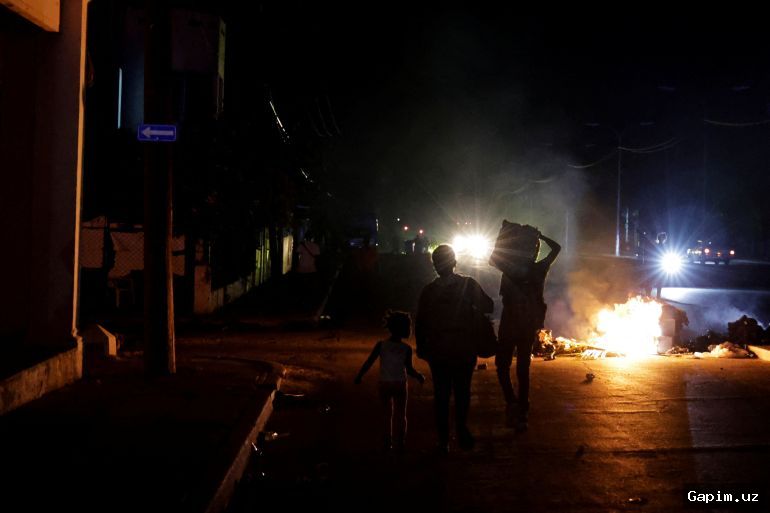
On Wednesday, protests erupted in Havana amid food and medicine shortages. Reuters reported hundreds of people taking to the streets, blocking roads with burning rubbish, banging pots, and shouting 'Turn on the lights!'
US Secretary of State Marco Rubio, a Cuban-American and fierce critic of the Castro-era government, blamed Cuba's problems on systemic corruption. 'It's a broken, nonfunctional economy, and it's impossible to change it,' Rubio told Fox News.
Cuban President Miguel Diaz-Canel blamed the US-imposed 'genocidal energy blockade' for the crisis. The US State Department offered $100 million in humanitarian aid, stating acceptance depends on 'the Cuban regime.'
Source: www.dw.com