Former Venezuelan President Nicolas Maduro, extradited to New York after the January storming of Caracas, has been moved from solitary confinement to a general population cell, where he spends his time reading ancient classics and conversing with American rappers.
His son, Nicolas Maduro Guerra, describes his father's prison routine as a strict regimen of prayers, sports, and learning English, emphasizing that the ousted leader, despite fears for his life and deteriorating health, tries to maintain morale through daily calls with his family.
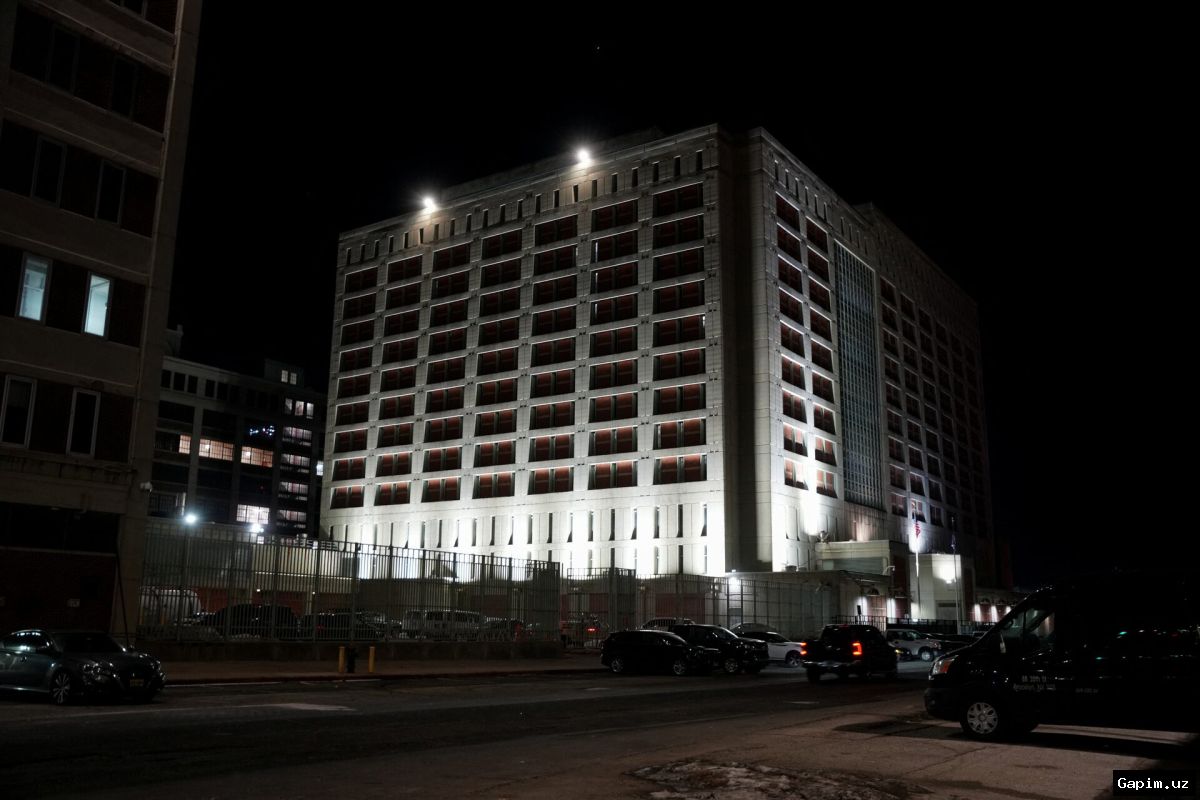
Four months after the US special operation to capture the Venezuelan leader, his son revealed details of his father's prison life in a New York detention center. The former president, abducted during a massive attack on Caracas on January 3 and held in solitary confinement, was moved to a general population cell during Easter week.
He shares space with 18 inmates, half of whom speak Spanish, and is actively studying English. According to his son, Maduro has adapted to prison conditions: he exercises daily, keeps a diary, and has deeply immersed himself in religion and classical literature. Notably, among his cellmates was famous American rapper Tekashi69, with whom the ousted leader spoke before the musician's release.
The politician's son reported that the main channel of communication with family is daily seven-minute calls around 7 p.m. In these conversations, Maduro Sr. asks for books to be sent via Amazon, preferring the works of Simon Bolivar, the Venezuelan constitution, and classics — from "Metaphysics" to Shakespeare and Aeschylus. The choice of the latter two was prompted by his 20-year-old daughter, who studies art: Maduro asked his son to send him "what she reads." He also said his father reads the Bible and enthusiastically told him about the poems and psalms he had read that day.
Despite family complaints about the prison diet consisting of processed foods and excess salt, the ex-president's physical condition has stabilized: a knee injury sustained during his rough arrest has almost healed. Maduro Guerra stressed that his father viewed the January 3 events as an assassination attempt and recorded an undelivered audio message before his arrest, in which he said goodbye to the people and called for continued struggle, believing he would be killed on the spot.
Against the backdrop of Maduro's trial in the US, tectonic political shifts are occurring in Venezuela itself. Maduro Guerra, representing the current authorities in Caracas, effectively acknowledged the regime's mistakes, including police brutality and lack of fair justice in the past. Under the new "reconciliation" strategy and pressure from Washington, the National Assembly passed an amnesty law that freed hundreds of opposition members.
The ex-leader's son expressed readiness for pragmatic dialogue with the West and acknowledged US technological superiority, noting that Venezuela needs American investment in the oil sector. At the same time, he stressed that the issue of holding new democratic elections is not yet on the agenda, as the country needs a period of economic respite after years of isolation and sanctions.
Source: podrobno.uz