Despite weeks of US pressure on China to help end the war with Iran, President Donald Trump's visit to Beijing produced no apparent agreement on the conflict. The war, now in its 77th day, remained a central topic in talks with Chinese President Xi Jinping.
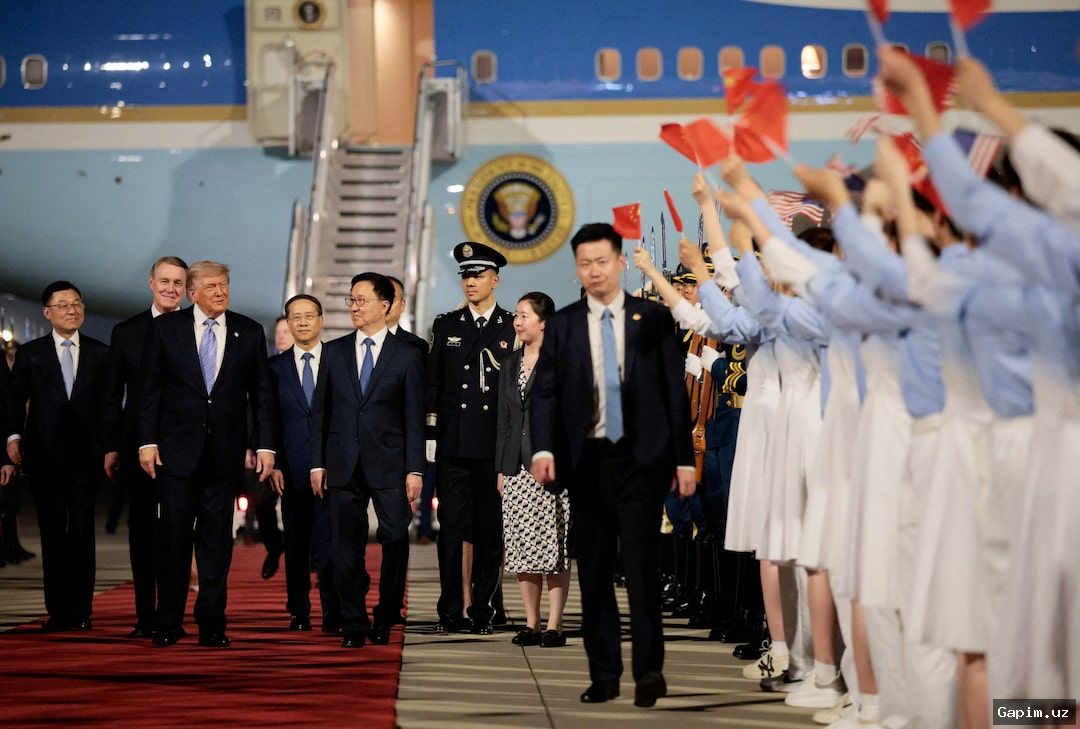
Statements from both sides revealed continued divergence. China's Foreign Ministry reiterated its four-point peace plan, calling for a comprehensive ceasefire and political settlement. It stressed the war's heavy toll on Iran and the region, and welcomed Pakistan's mediation efforts.
The White House statement noted agreement on keeping the Strait of Hormuz open, but China opposed its militarization and any toll system. Washington reaffirmed that Iran must never obtain a nuclear weapon, a point not explicitly echoed in China's statement, which instead called for dialogue accommodating all parties' concerns.
The US had hoped China would leverage its influence over Iran, especially regarding the strait's closure. However, Beijing stuck to its independent position, offering no concrete commitments. US officials, including Treasury Secretary Scott Bessent and Secretary of State Marco Rubio, had publicly urged China to act, but with limited effect.
Analysts conclude that both nations remain entrenched in their original stances: China advocates diplomacy and a multilateral approach, while the US regime insists on military pressure and unilateral action. The summit thus failed to bridge the gap, leaving the conflict unresolved.
Source: www.aljazeera.com