Ugandan President Yoweri Museveni was sworn in for his seventh term on May 12. The 81-year-old leader, who has ruled since 1986, begins his new mandate amid pressing challenges of unemployment and poverty.
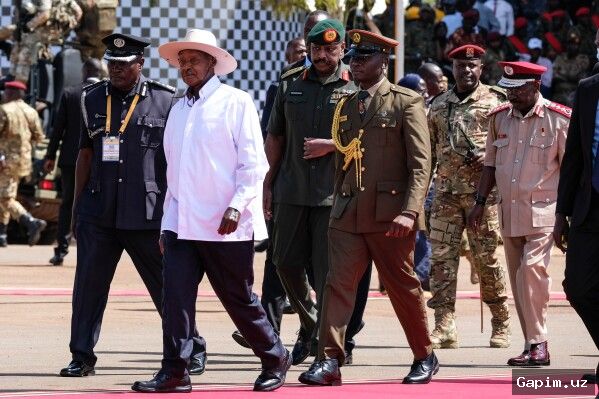
Regional leaders from DR Congo, Tanzania, Nigeria, and Kenya attended the inauguration. Museveni won January's election with nearly 72% of the vote, but reports of intimidation and abductions of opposition figures marred the process.
Ugandan academic Adolf Mbaine told DW that peace prevails and economic activity is growing. According to the World Bank, Uganda's GDP exceeded 6% in 2024, rising from $3.9 billion in 1986 to $53.9 billion.
However, the population has surged from 15.5 million to 50 million, making youth unemployment a critical issue. Journalist Robert Kirabo called it a "time bomb." Economist Agnes Atim Apea noted that ordinary citizens do not feel the economic growth.
In his speech, Museveni promised wealth creation, anti-corruption efforts, and improved services in health, education, and infrastructure. He called for East African unity, saying that if all families join the money economy, jobs would be created for nearly 2 million refugees.
Supporters expressed faith in Museveni's promises, but vendor Justus Kiiza criticized the lack of attention to traders in the previous term. Student Jovlet Sarah Nankinga highlighted embezzlement and the need for better youth financing.
Farmer Isaac Tenywa from Namutumba pointed to land disputes, policy inertia, and the need to reduce the bloated administration. Rights groups and the UN warn of shrinking civic space and rising political repression.
Opposition leaders Bobi Wine and Kizza Besigye were detained before the election. Mbaine said the space for criticism has narrowed over the past 15 years. This is compounded by strict anti-LGBTQ+ laws and a sovereignty bill.
Museveni's term runs until 2031, and he has not named a successor. His son, General Muhoozi Kainerugaba, is a potential candidate, but his confrontational style contrasts with his father's deal-making.
Agnes Atim Apea urged moving away from viewing Uganda as "a Museveni thing." Henry Baguma, who survived the violence of the 1970s and 1980s, said Museveni "did his best to set a better record for tomorrow." Mbaine warned that failure to ensure a peaceful transition could plunge the country back into chaos.
Source: www.dw.com