North Korea's Naegohyang Women's FC is set to play a South Korean women's team in Suwon on May 20, marking the first time Pyongyang has allowed its athletes to travel to the South in over seven years. The match is a semi-final of the Asian Football Confederation's Women's Champions League.
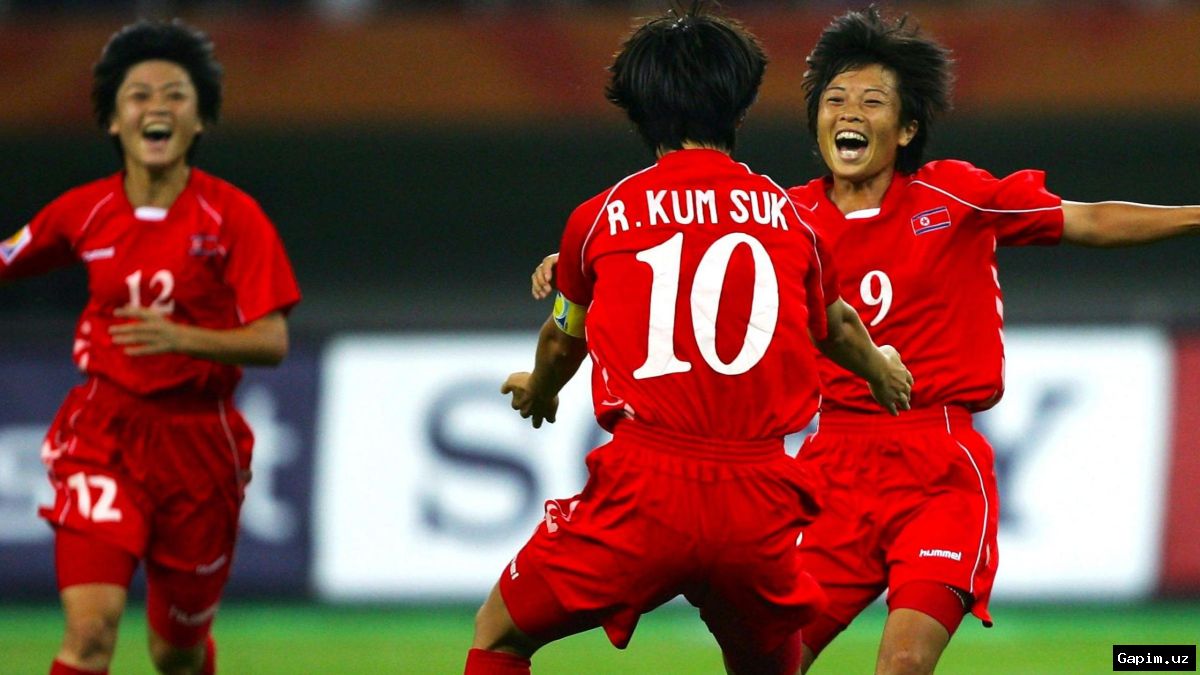
Analysts are divided on whether this represents a genuine step toward detente or a clever propaganda move. Victor Cha, Korea chair at the Center for Strategic and International Studies in Washington, argued that sports diplomacy has always been an important tool in inter-Korean relations and that the match could demonstrate the potential to separate cultural exchanges from politics.
However, Hyobin Lee, a professor at Sogang University in Seoul, cautioned against reading too much into the decision, noting that the likelihood of an immediate breakthrough is limited. She pointed to North Korea's participation in the 2018 Winter Olympics as a short-lived success that ultimately failed to yield lasting diplomatic gains.
Leif-Eric Easley, a professor at Ewha Womans University in Seoul, said that while it is premature to call the event successful sports diplomacy, North Korea's participation could suggest a softening in Pyongyang's portrayal of Seoul as a hostile enemy.
Erwin Tan, a professor at Hankuk University, expressed skepticism, noting that past inter-Korean sports and cultural events have not led to diplomatic breakthroughs and that this development likely signals nothing new.
The 27-strong North Korean team arrived at Incheon airport on Sunday after training in Beijing. South Korean media reported that Unification Minister Chung Dong-young is considering attending the match. All 7,087 tickets made available to the public sold out within a day.
The last time North Korean athletes were in the South was in December 2018, when five table tennis players competed in Incheon. That followed the participation of ten North Korean athletes in the PyeongChang Winter Olympics in February 2018, which initially raised hopes for improved relations but ultimately failed to sustain momentum.
Source: www.dw.com