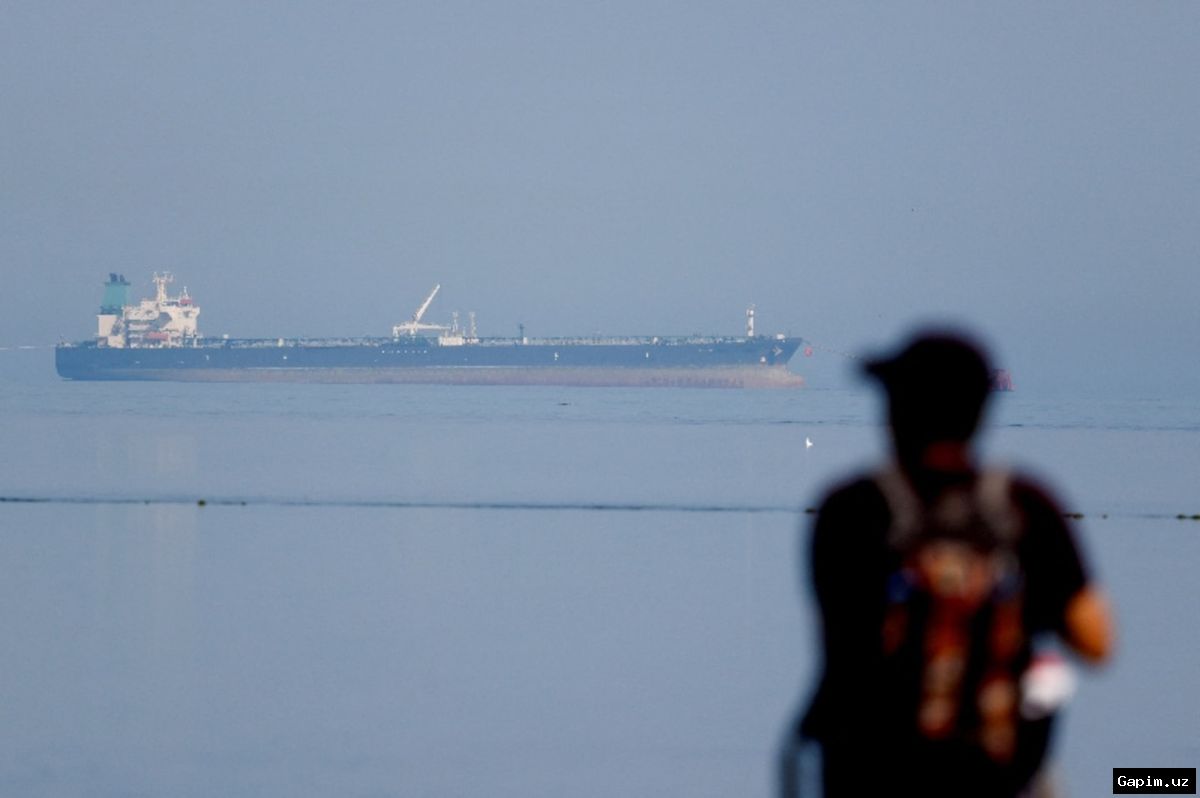
The United States has announced a 30-day extension of a sanctions waiver allowing countries to purchase Russian oil and petroleum products already loaded on tankers, as global energy markets remain disrupted by the US-Israeli war on Iran. Treasury Secretary Scott Bessent posted on X that the extension aims to "provide the most vulnerable nations with the ability to temporarily access Russian oil currently stranded at sea."
The waiver, effective until June 17, is intended to "help stabilize the physical crude market and ensure oil reaches the most energy-vulnerable countries," Bessent wrote. He added that it would also reduce China's ability to stockpile discounted oil. The US first issued a 30-day waiver in March after crude prices surged above $100 per barrel following US-Israeli strikes on Iran.
Despite Bessent's earlier statement in April that the waiver would not be renewed, energy markets have failed to stabilize due to ongoing US-Iran negotiations, the closure of the Strait of Hormuz—through which about 20% of global oil and gas transits—and the US naval blockade of Iranian ports. Analyst George Voloshin noted that the strait's closure has "walled in" 20 million barrels of Gulf oil per day.
According to analytics firm Kpler, approximately 113 million barrels of Russian crude and condensate are currently on ships at sea, with floating storage declining from 19 million barrels in late January to 7 million barrels. Senior crude analyst Johannes Rauball said Ukrainian drone strikes have disrupted Russian export infrastructure, reducing shipping capacity and keeping production below its OPEC+ quota.
India and China remain the largest buyers of Russian oil. India imported over 2 million barrels per day (bpd) last month, up from 1.62 million bpd in September, while China's imports stood at 1.05 million bpd. Indian official Sujata Sharma stated that New Delhi does not face an oil shortage and that the waiver does not affect its supplies. Analyst Sumit Ritolia noted that India is unlikely to step back from Russian crude due to supply security and pricing advantages.
The extension has drawn criticism from Ukraine and European allies. US Senators Jeanne Shaheen and Elizabeth Warren called it an "indefensible gift" to Putin, arguing that every dollar from Russian oil helps finance the war in Ukraine. According to the International Energy Agency, Russia's crude exports rose by 250,000 bpd in April to 4.9 million bpd, earning an estimated $490 million per day at current prices.
Brent crude prices have risen from $66 to over $100 per barrel since the Iran conflict began, while Russian Urals crude trades at $97-$100 per barrel. Analyst Hamad Hussain of Capital Economics said the waiver's impact on prices is limited because it only applies to oil loaded before mid-April, and the supply loss from the Middle East far outweighs the stranded Russian barrels.
Source: www.aljazeera.com