Alican Uludag, a correspondent for Deutsche Welle (DW), has been in custody in Turkey for three months on charges including insulting President Recep Tayyip Erdogan, spreading misleading information, and disparaging state institutions. The charges stem from 22 social media posts. He is set to appear in court for the first time on Thursday, but only via video link.
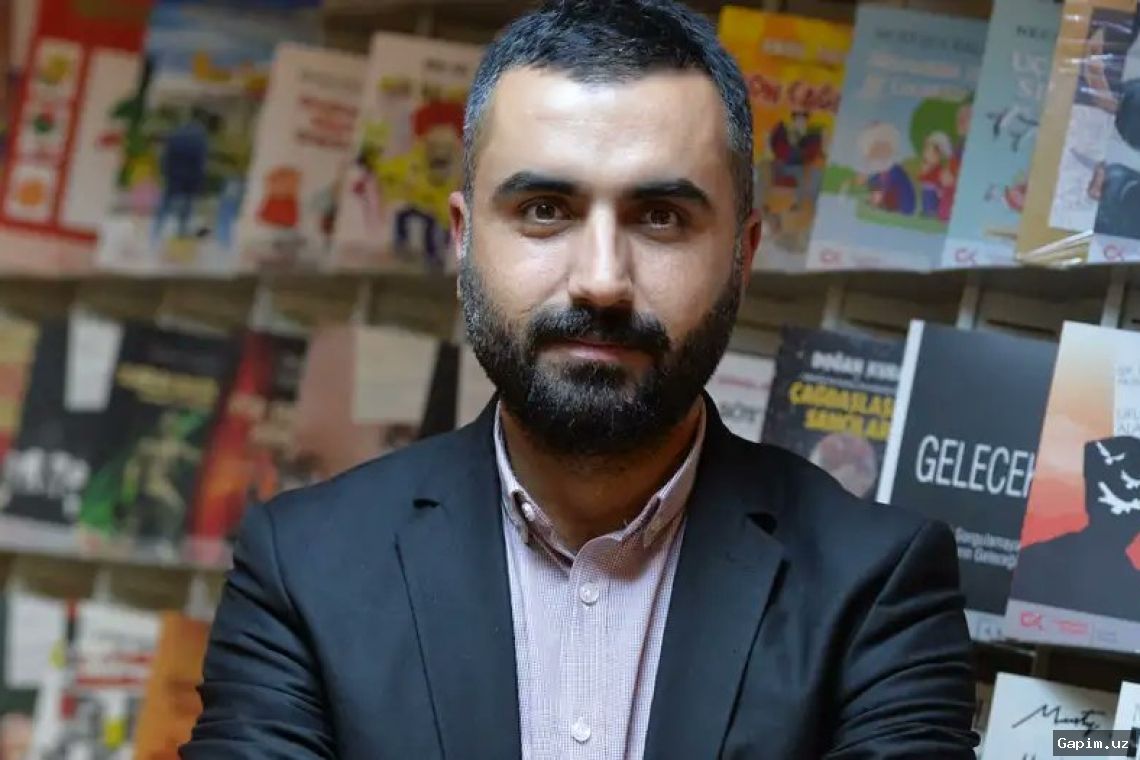
Uludag was arrested at his Ankara apartment on February 19 and transferred to Istanbul, where he was placed in pre-trial detention. Although the trial is in Ankara, his request to appear in person was denied; he will participate via video conference.
DW Director-General Barbara Massing dismissed the allegations as baseless, calling the arrest a “targeted attempt at intimidation” and a demonstration of “the extent to which the government is massively repressing press freedom.” She noted Uludag’s extensive network and access to sources, which may make him an inconvenient voice for the authorities.
Erol Onderoglu, Turkey representative for Reporters Without Borders (RSF), said Uludag was being “arbitrarily targeted by a judiciary beholden to those in power.” He suggested that Uludag’s investigations into matters of public interest may have angered powerful figures.
Uludag considers his arrest a deliberate attempt to prevent him from working. “I have not strayed from my journalistic work. I do not admit to any of the charges. I will continue to pursue the truth,” he stated. He described his time in custody as paradoxical, offering unique insight into prison life for his reporting.
Press freedom in Turkey is deteriorating. In RSF’s 2026 World Press Freedom Index, Turkey fell to 163rd out of 180 countries. Censorship, legal sanctions, and fear of prosecution are increasingly common for journalists.
The Turkish Journalists’ Union (TGS) has warned of rising state intervention against media outlets. Charges such as “disinformation,” “insulting the president,” and “defamation of state institutions” are routinely used to suppress critical reporting.
Article 217/A of the Turkish penal code, enacted in 2022 and dubbed the “censorship law,” criminalizes the dissemination of misleading information. Critics argue it has a chilling effect on journalism.
As of April 27, TGS reported 15 journalists and media workers in custody, including Etkin News Agency reporter Pinar Gayip, charged with membership in an armed terrorist organization.
Source: www.dw.com