Social media is abuzz with a video of Tashkent mayor Shavkat Umurzakov discussing the fate of the city's trees. The mayor acknowledged that cutting down trees is a negative process but added that when a project is implemented 'for the benefit of the people,' removing a tree is 'not a tragedy.'
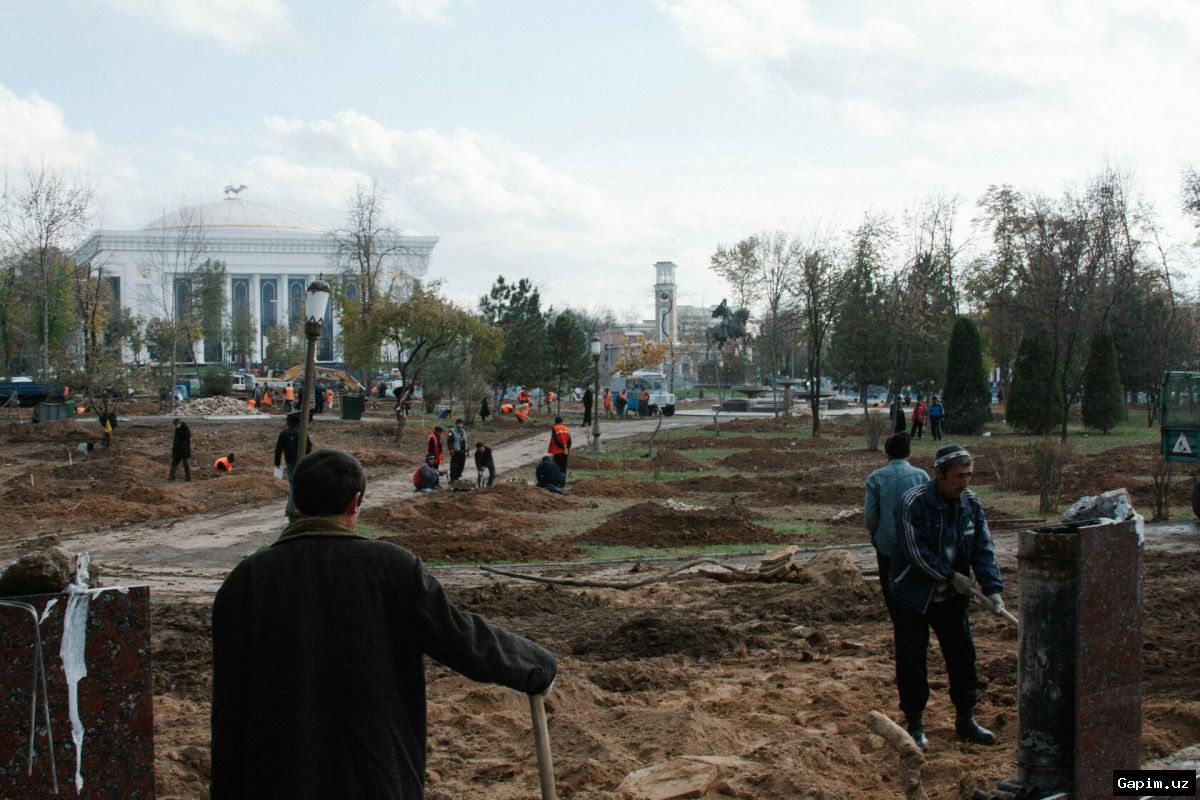
In the capital's summer heat and dusty air, green spaces play a key role in reducing temperature and providing shade. However, the mayor's speech did not specify the criteria for 'people's benefit' that could justify tree removal, nor did it list concrete projects.
Uzbekistan has an indefinite moratorium on cutting valuable tree and shrub species not part of the state forest fund. According to presidential decrees and regulations, the Cabinet of Ministers and local executive authorities, including hokimiyats, are strictly prohibited from adopting documents or decisions that involve cutting or transplanting green spaces for construction or investment projects.
The mayor's statements come against a backdrop of extensive judicial and inspection practices across the country. Environmental authorities and courts regularly hold both large companies and individuals accountable, forcing them to pay billions in compensation.
For instance, in Bukhara region, a company was ordered to pay over 1.3 billion soums for illegally cutting 154 valuable trees along the Jondor canal in 2024. In Tashkent, a company allegedly cut 16 pine trees on the territory of a former military unit at night; the case has been sent to court. In Samarkand, a resident who cut a walnut tree near his home faces a fine of 10.3 million soums and damages of 86.5 million soums. In Khirs village, cutting four decorative trees for firewood resulted in penalties exceeding 100 million soums.
Against this backdrop, the mayor's position raises a key question: if regional courts are imposing strict penalties and billions in fines, why are investor and construction interests in Tashkent still being placed above national laws, presidential decrees, and citizens' right to a healthy environment?
Source: podrobno.uz