Former Nigerian Power Minister Saleh Mamman was arrested days after being sentenced in absentia to 75 years in prison for laundering 33.8 billion naira ($24.6 million), in what is seen as a rare high-profile conviction. Prosecutors said the funds were proceeds from unlawful activities linked to state-financed hydroelectric projects, including the Mambilla and Zungeru power plants.
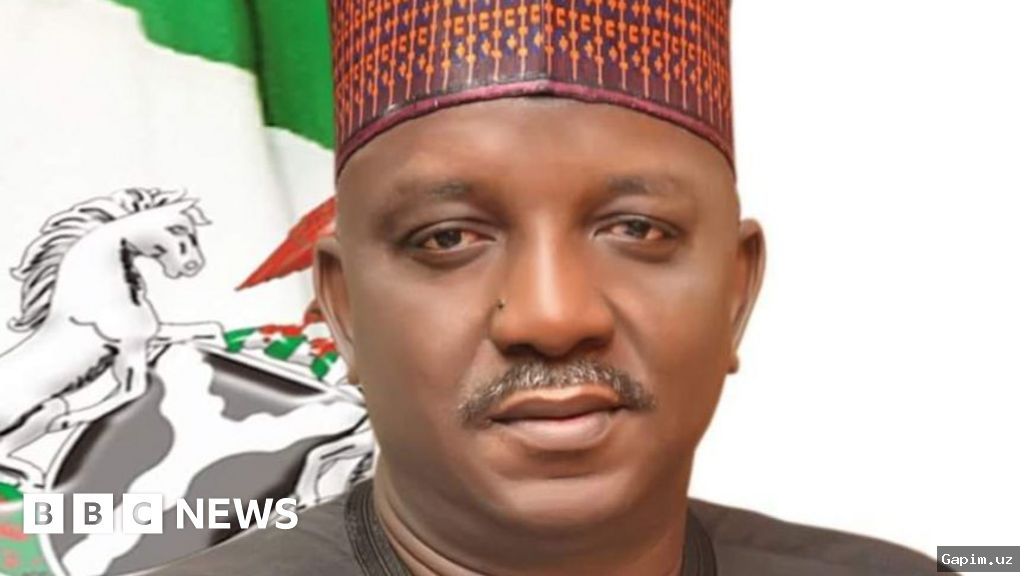
Economic and Financial Crimes Commission (EFCC) chief Ola Olukoyede confirmed Mamman, who had been hiding since his May 7 conviction, was arrested in the northern city of Kaduna. Mamman served as minister from 2015 to 2021 under President Muhammadu Buhari. The judge also ordered him to repay 22 billion naira to the state.
Earlier, former acting accountant-general Chukwunyere Nwabuoku received a 72-year sentence for money laundering. However, analysts point to a disparity: elected officials are convicted less often than appointed ones. A Dataphyte review of 393 corruption cases from 2013-2026 found only 144 reached final judgment, with over 60% still pending.
Legal expert Amina Umaru Miango noted that elected officials often use delay tactics, hiring top lawyers and leveraging political connections. David Alechenu from the Nigeria Anti-Corruption Agencies Strengthening Project called for specialized fast-track courts and enhanced investigative tools to address systemic issues.
Nigeria loses an estimated $18 billion annually to corruption, much linked to public procurement. Analysts stress that isolated convictions are insufficient; systematic reforms are needed to restore public confidence in the justice system.
Source: www.dw.com