US Representative Thomas Massie lost his Republican primary on Tuesday after one of the most expensive and politically charged congressional campaigns in modern US history. For the Israel lobby and its allies, the result marked a decisive victory. President Donald Trump deployed his political weight against Massie, endorsing his chosen challenger, Ed Gallrein, and turning a local race into a national confrontation.
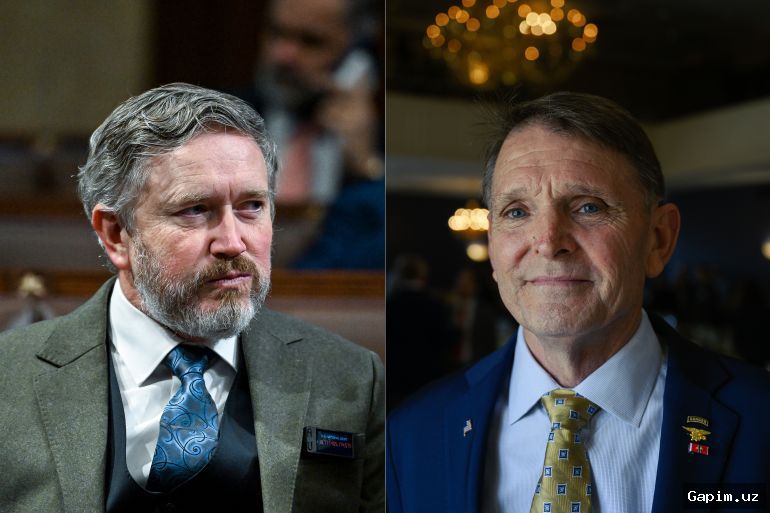
Pro-Israel organizations and billionaire donors, including Miriam Adelson, poured extraordinary sums into Kentucky to defeat a congressman whose offense was questioning military aid to Israel and challenging the expanding influence of pro-Israel lobbying power in Washington. Yet beneath the celebration lies a deeper and more troubling reality: the Kentucky race exposed a widening backlash among Americans increasingly uneasy with the scale of political influence exercised by organizations and donors aligned with a foreign state.
To many voters, the contest appeared less about Kentucky, conservative priorities, or even US national interests than about enforcing ideological conformity to Israel’s political preferences and punishing dissent within the Republican Party. Massie became politically dangerous precisely because he reflected a convergence of libertarian and conservative opposition to foreign intervention and aid, including to Israel. Even this limited dissent proved intolerable to powerful pro-Israel interests.
Tens of millions of dollars poured into Kentucky in a campaign designed not only to defeat Massie but to make an example of him. Outside groups saturated the district with advertising portraying him as disloyal and extreme. Trump’s intervention intensified the race, with the full machinery of the White House aligned behind Massie’s opponent. In an extraordinary breach of norms, Defense Secretary Pete Hegseth traveled to Kentucky the day before the vote to campaign personally for Gallrein.
Pre-election polling pointed to a sharp generational split, with surveys showing Massie drawing the bulk of his support from Republican voters under 40 and trailing badly among those over 60. The pattern underscores a generational divide reshaping conservative attitudes towards Israel, foreign policy, and lobbying influence in US politics.
Yet the intensity of the campaign produced unintended effects. Many voters began asking why such extraordinary sums linked to Israeli interests were dominating a local US election. Across conservative media, podcasts, and online forums, frustration deepened over what appeared to be disproportionate foreign-aligned influence inside domestic politics. Calls intensified for AIPAC to register under the Foreign Agents Registration Act (FARA).
Massie lost his seat. Trump and pro-Israel organizations secured a major victory. Yet the race left behind a more difficult legacy: growing public resentment among Americans who believe elections are shaped by billionaire donors and ideological pressures linked to a foreign state. That sentiment will not dissipate with the campaign’s end.
Source: www.aljazeera.com