In a region plagued by armed groups and political instability, Mauritania has emerged as an unlikely oasis of relative calm. The secret to its resilience, analysts say, lies in a program of female Islamic spiritual guides known as mourchidates, trained and deployed by the state since 2021 under the Ministry of Islamic Affairs.
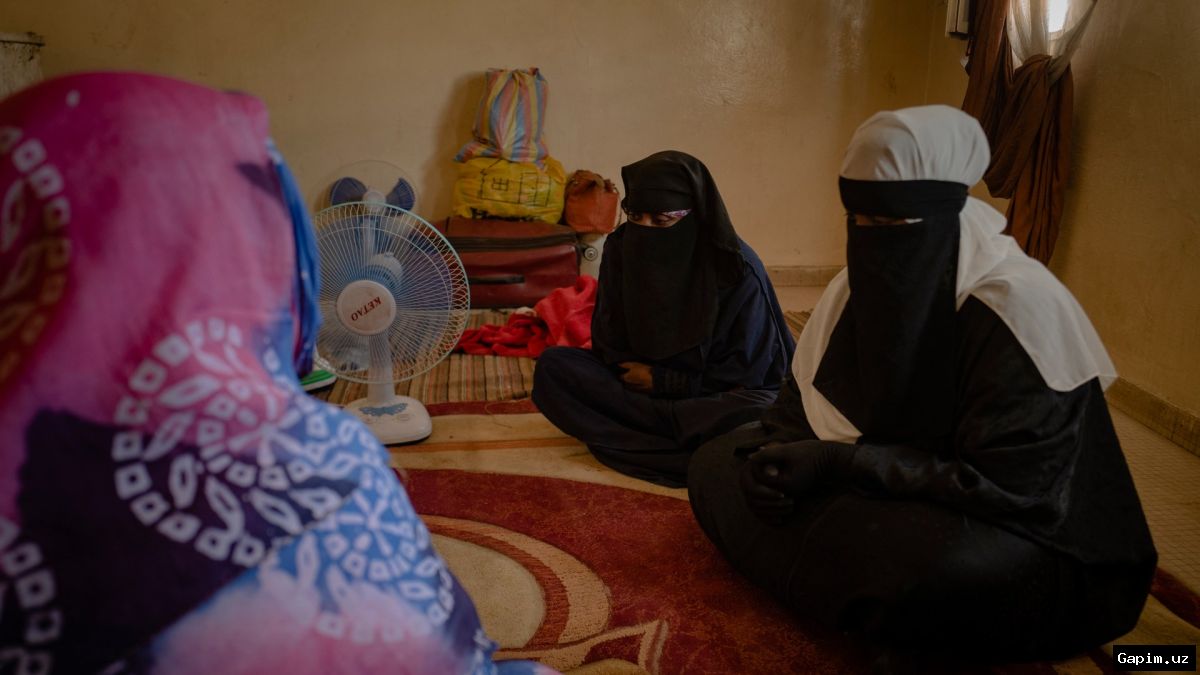
The model originates from Morocco, where mourchidates were introduced after the 2003 Casablanca bombings. Moroccan researcher Youssra Biare notes: “Morocco’s mourchidates offer one of the most established examples of women’s religious leadership as a tool for peace-building and preventing violent extremism.” The guides receive formal theological and social training, enabling them to provide religious guidance and family counseling.
In Mauritania, mourchidates operate in schools, youth centers, mosques, hospitals, and critically, prisons. They engage detainees linked to armed groups in the Sahel, challenging the theological justifications for violence. “They sit with these people over extended periods, building trust and addressing the arguments that justified attacks,” the article states. By offering alternative interpretations of Islamic texts, they gradually open space for detainees to reconsider their choices.
The program also focuses on prevention, reaching young people before they become vulnerable to recruitment. “One of the strengths of the Mauritanian model is that it understood early on that violent extremism cannot be addressed through security responses alone,” says Aminata Dia, a Mauritanian activist. Yahia Elhoussein, who runs a mourchidate school, adds: “They educate young people on true teachings of Islam, such as tolerance, charity, and accountability, playing an important role in de-radicalization without any use of force.”
The results are evident: after suffering attacks in the mid-to-late 2000s, Mauritania implemented a comprehensive strategy combining intelligence, community engagement, and religious reform. Since then, it has largely avoided the scale of violence seen in neighbors like Mali and Burkina Faso. However, critics note the program’s limited resources and scale, and question its replicability in countries where state-community trust has eroded.
As international counterterrorism policy in the Sahel remains dominated by military interventions, Mauritania’s experience offers a different lesson. “Mauritania’s mourchidates prove that community-based approaches can be more effective than any other approach,” concludes Elhoussein.
Source: www.aljazeera.com